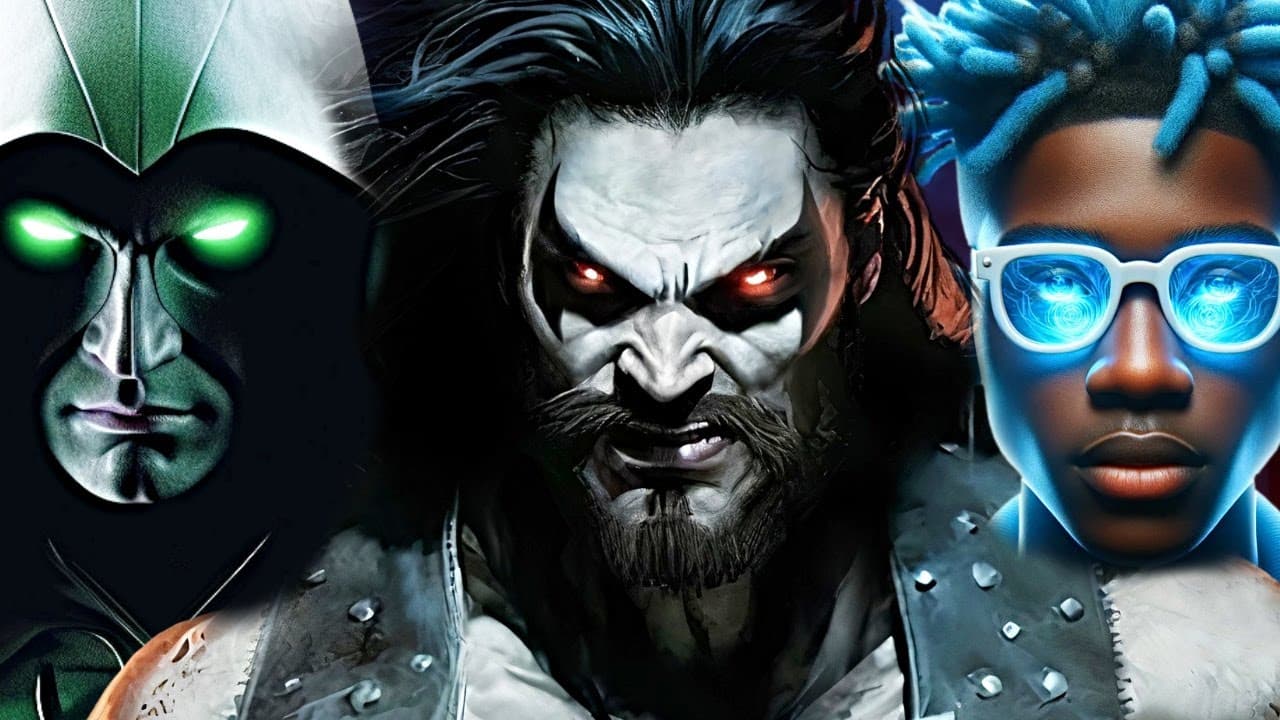
49 (Every) Cancelled DC TV Shows That Could Have Changed Everything - Explored
TL;DR
Many DC Comics TV projects failed to reach fruition, despite initial anticipation and potential.
Transcript
hey there guys this is Richard your host with another marvelous video many DC Comics TV projects have taken fans by storm over the years only to fizzle Into Obscurity while the superhero TV landscape is thriving some shows never made it past the announcement stage unlike the successful arrowe on the CW or the expansive MCU these projects remained u... Read More
Key Insights
- 😀 Many DC Comics series faced cancellations despite strong initial concepts, falling victim to creative disagreements and network dynamics.
- 😫 "Smallville" set a precedent in superhero television, inspiring a wide range of adaptations and the eventual expansion of the Arrowverse.
- 🦸 Shows like "Powerless" highlighted the everyday implications of superheroes in society, offering a comedic yet grounded perspective within the genre.
- 🥺 Creative challenges and mismatched expectations led to projects like "Justice League of America" being shelved or drastically altered from their intended vision.
- 📈 The mixed reception of adaptations often reflected broader industry trends, including network mergers and changing audience interests.
- 🦸 Projects featuring diverse characters, such as "Wondergirl," represent missed opportunities in expanding representation within superhero storytelling.
- 🦸 "Constantine" demonstrated the potential for darker, supernatural narratives in superhero adaptations, yet struggled to find longevity in a competitive market.
Install to Summarize YouTube Videos and Get Transcripts
Explore YouTube Video Summarizer or Get YouTube Transcript Extractor
Questions & Answers
Q: What were some of the main reasons for the cancellation of several DC TV projects?
The cancellation of many DC TV projects can often be attributed to a variety of factors, including creative disagreements among the involved parties, network hesitations about audience reception, and shifting priorities within the studio. For instance, shows like "Batwoman" faced internal controversies and struggled after a lead actor's departure, while projects like "Justice League of America" fell victim to poor pilot reception, leading networks to avoid further investment.
Q: How did "Smallville" influence the superhero TV landscape?
"Smallville" is often credited with shaping the modern era of superhero television, as its success paved the way for a greater acceptance and exploration of comic book adaptations on TV. As one of the earliest shows to portray a young Clark Kent's journey, it set a benchmark for storytelling in the superhero genre, ultimately inspiring a multitude of series, including spin-offs within the Arrowverse.
Q: What unique elements did the show "Powerless" incorporate compared to traditional superhero narratives?
"Powerless" offered a fresh perspective on the superhero genre by focusing on the everyday lives of ordinary citizens working in a world dominated by superheroes and villains. This situation comedy employed a unique narrative angle, showcasing how regular people navigate their lives while dealing with the collateral damage and absurdities caused by super-powered individuals, highlighting a side of the superhero world often overlooked.
Q: Can you explain why some adaptations, like the "Aquaman" pilot, did not lead to full series despite positive reception?
The "Aquaman" pilot garnered favorable reviews and solid purchase numbers upon release, yet it ultimately did not progress to a full series due to network decisions following a merger that led to changes in programming strategy. The newly formed CW opted not to pick up the show, reflecting how internal network dynamics and shifting market conditions can impact the fate of promising adaptations.
Q: How did the failed project "Justice League of America" deviate from its comic book source material?
The 1997 "Justice League of America" pilot deviated significantly from its comic book origins by adopting a mockumentary style that poorly blended the superhero action with lackluster effects. Critics noted the absence of core elements that fans expected, resulting in a misalignment with the spirit of the original comics. This deviation not only led to its negative reception but also ultimately spared fans from a potentially painful series.
Q: What led to the cancellation of the "Constantine" series despite a dedicated fan base?
Although "Constantine" developed a loyal following, it was ultimately canceled due to NBC's decision not to extend the show after its initial season. The network's focus shifted, and despite attempts by Warner Bros. to find a new home for the series, those efforts found no success, leading to disappointment among fans who appreciated the show's darker, supernatural elements.
Q: Why was a spin-off for Hawk and Dove considered during "Titans," and what happened to the concept?
The characters Hawk and Dove saw initial success in their roles within "Titans," prompting talk of a potential spin-off series. The creators aimed to assess audience reception and the evolving dynamics of the DC Universe platform before moving forward. However, as "Titans" shifted to HBO Max, plans for the spin-off faded, and ultimately the show was not developed, leaving fans wanting more of the duo's storyline.
Q: What were the implications of failed projects like "Wondergirl" in terms of representation in superhero media?
Projects like "Wondergirl," which sought to highlight a Latina superhero character, could have offered greater diversity in superhero narratives. The cancellation of such shows signifies ongoing challenges in achieving representation within the genre, reflecting the industry's hesitancy to fully embrace underrepresented characters. Had it been produced, "Wondergirl" could have paved the way for future series featuring diverse protagonists in a genre still dominated by traditional narratives.
Summary & Key Takeaways
-
Numerous DC Comics TV shows, despite promising concepts and fan anticipation, faced cancellation due to various factors, such as network hesitations and creative conflicts.
-
Projects like "Batwoman" and "Birds of Prey" showcased strong characters but struggled to maintain viewership and narrative continuity, leading to abrupt endings.
-
The landscape of superhero adaptations remains dynamic, yet several intriguing concepts, including "Justice League of America" and "Aquaman," were never realized or fell short in execution.
Read in Other Languages (beta)
Share This Summary 📚
Summarize YouTube Videos and Get Video Transcripts with 1-Click
Try YouTube Summary with ChatGPT & Claude or YouTube Transcript Generator
Explore More Summaries from Marvelous Videos 📚


Summarize YouTube Videos and Get Video Transcripts with 1-Click
Try YouTube Summary with ChatGPT & Claude or YouTube Transcript Generator