What Happened During Japan's 2011 Tsunami Disaster?
TL;DR
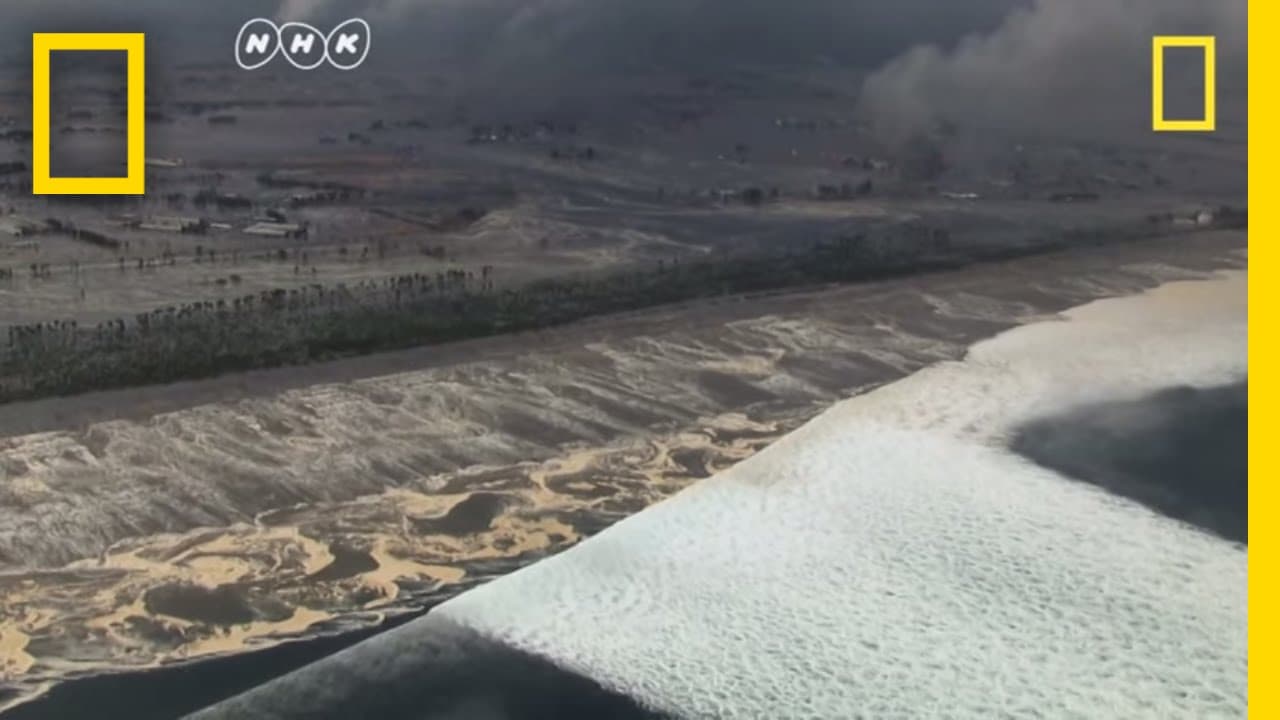
A magnitude 9.0 earthquake struck Japan on March 11, 2011, triggering catastrophic tsunamis that devastated coastal cities and resulted in over 28,000 deaths or missing persons. The disaster showcased the immense power of nature, as waves surged inland, overwhelming even the tallest seawalls and changing lives forever.
Transcript
all across northern Japan they felt it a violent magnitude 9.0 earthquake on March 11 2011 it was centered about 80 miles offshore and tsunami warnings went up immediately in coastal cities people knew what to do next run to higher ground it's from these vantage points on hills and in tall buildings that incredible footage was captured in Kesennuma... Read More
Key Insights
- 🥺 The 2011 Japan earthquake and tsunami were of unprecedented scale and devastation, leading to thousands of fatalities and widespread destruction.
- 🗾 Japan's geographic location makes it particularly susceptible to seismic activity, emphasizing the need for comprehensive disaster preparedness measures.
- 🌊 Tsunami waves can travel at high speeds in deep water but increase in height as they enter shallower waters, causing significant damage.
- ✊ The visual evidence captured during the disaster provides valuable insights for future research and efforts to better understand and mitigate the power of earthquakes and tsunamis.
- ✋ Japan's advanced seismological monitoring systems, including high-precision GPS stations, contribute to a better understanding of earthquakes and help in disaster prevention.
- 🧑🌾 Tsunamis can reach far inland, illustrating the extensive reach and impact of these natural disasters.
- 🈯 The 2011 Japan earthquake and tsunami serve as a tragic reminder of the importance of robust infrastructure, effective evacuation plans, and constant preparedness in areas prone to seismic activity.
Install to Summarize YouTube Videos and Get Transcripts
Explore YouTube Video Summarizer or Get YouTube Transcript Extractor
Questions & Answers
Q: How did people in coastal cities react to the tsunami warnings?
Upon receiving tsunami warnings, people in coastal cities knew to run to higher ground to seek safety from the impending waves. This knowledge likely saved many lives.
Q: What factors contributed to the severity of the destruction caused by the tsunami?
The magnitude of the earthquake, combined with the sheer force of the resulting energy released through the ocean, displaced enormous quantities of water. As the waves entered shallow waters, friction with the ocean floor raised their height, leading to widespread destruction.
Q: Why was Japan particularly vulnerable to such a devastating earthquake and tsunami?
Japan is located in a seismically active region known as the Ring of Fire. It experiences frequent earthquakes and has a long history of tsunamis due to the collision of tectonic plates in the region.
Q: How did the Japan Coast Guard try to combat the tsunami in shallow water?
A video captured from a Japan Coast Guard ship shows them confronting a tsunami wave in shallow water. Despite their efforts, the sheer force and size of the wave were overwhelming, highlighting the difficulty in combating such a natural disaster.
Key Insights:
- The 2011 Japan earthquake and tsunami were of unprecedented scale and devastation, leading to thousands of fatalities and widespread destruction.
- Japan's geographic location makes it particularly susceptible to seismic activity, emphasizing the need for comprehensive disaster preparedness measures.
- Tsunami waves can travel at high speeds in deep water but increase in height as they enter shallower waters, causing significant damage.
- The visual evidence captured during the disaster provides valuable insights for future research and efforts to better understand and mitigate the power of earthquakes and tsunamis.
- Japan's advanced seismological monitoring systems, including high-precision GPS stations, contribute to a better understanding of earthquakes and help in disaster prevention.
- Tsunamis can reach far inland, illustrating the extensive reach and impact of these natural disasters.
- The 2011 Japan earthquake and tsunami serve as a tragic reminder of the importance of robust infrastructure, effective evacuation plans, and constant preparedness in areas prone to seismic activity.
- The lessons learned from this devastating event can help improve disaster response and mitigation strategies worldwide.
Summary & Key Takeaways
-
On March 11, 2011, a magnitude 9.0 earthquake struck northern Japan, causing immediate tsunami warnings and prompting people to seek higher ground.
-
The resulting tsunami waves inundated coastal cities, destroying buildings, vehicles, and lives, with seawater cascading over sea walls and into cities.
-
The earthquake was the largest ever known in Japan and one of the five largest reported in the world, leaving more than 28,000 people confirmed dead or missing.
Read in Other Languages (beta)
Share This Summary 📚
Summarize YouTube Videos and Get Video Transcripts with 1-Click
Try YouTube Summary with ChatGPT & Claude or YouTube Transcript Generator
Explore More Summaries from National Geographic 📚




Summarize YouTube Videos and Get Video Transcripts with 1-Click
Try YouTube Summary with ChatGPT & Claude or YouTube Transcript Generator