Let's Talk About Anxiety in Today's World
TL;DR
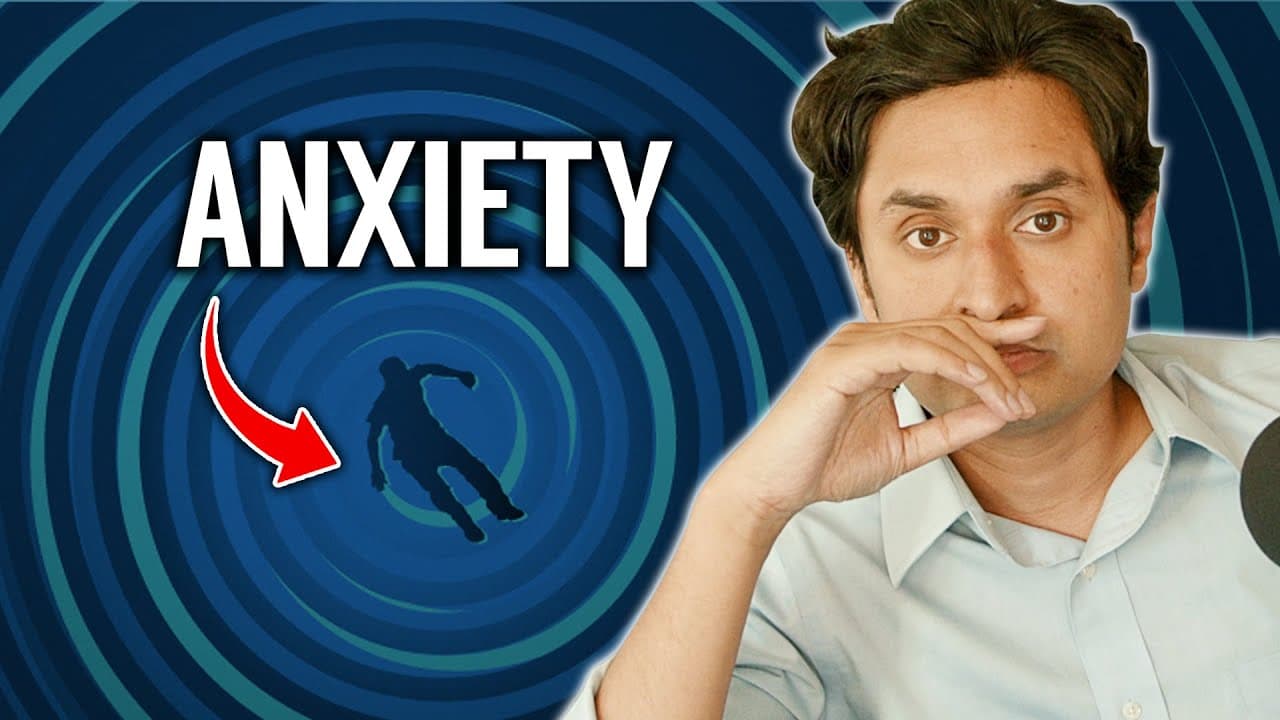
Anxiety is a complex interplay of mental, physiological, and emotional factors, rooted in childhood experiences, gut health, heart activity, and learned behaviors.
Transcript
today we're going to talk a little bit about anxiety and by the end of the lecture I'd love to equip you with some basic understanding of anxiety starting with what is anxiety how does it form how does it manifest in the present and how to approach it the truth of the matter is that anxiety is getting worse at an alarming rate and this video is for... Read More
Key Insights
- 🥰 Anxiety is a multifaceted response rooted in childhood experiences, gut health, heart activity, and learned behaviors.
- 🧑🏭 Understanding the interplay of mental, physiological, and emotional factors is crucial in addressing anxiety effectively.
- 🏃 Holistic approaches integrating diet, exercise, emotional processing, and spiritual practices can complement traditional therapy for anxiety management.
- 🤪 Detachment from ego-driven fears and behaviors can offer a new perspective on managing anxiety and building resilience.
- 🥰 Gut health, heart rate regulation, and behavioral responses are interconnected factors influencing anxiety manifestation and severity.
- 🥰 Addressing anxiety involves not only mental interventions but also physiological considerations, such as gut health and heart function.
- 🏛️ Building tolerance for anxiety, identifying triggers, and incorporating exposure therapy can help individuals develop healthier coping mechanisms.
Install to Summarize YouTube Videos and Get Transcripts
Explore YouTube Video Summarizer or Get YouTube Transcript Extractor
Questions & Answers
Q: How does anxiety form and why does it manifest differently among individuals?
Anxiety is shaped by childhood experiences, where early survival strategies become ingrained mental patterns, leading to a heightened focus on perceived threats and inability to differentiate real dangers from imagined ones.
Q: What role does gut health play in anxiety, and how can diet influence anxiety levels?
Gut bacteria influence neurotransmitter production, inflammation levels, and heart rate, impacting anxiety. Eating a balanced, unprocessed diet fosters a healthy gut environment, potentially reducing anxiety symptoms.
Q: How does controlling the situation worsen anxiety, and what alternative approaches can be effective?
Attempting to control external factors to alleviate anxiety often backfires, perpetuating a cycle of stress and heightened vigilance. Building tolerance, detaching from ego-driven behaviors, and exposure therapy can provide more sustainable relief.
Q: What is the significance of detachment in managing anxiety, and how can spiritual practices aid in this process?
Detachment from ego-driven fears and anxieties allows individuals to perceive situations objectively, reducing the grip of anxiety. Spiritual practices involving mindfulness and detachment can help individuals navigate anxiety from a different perspective.
Summary & Key Takeaways
-
Anxiety is a learned response that heightens worry around perceived threats, leading to a constant state of vigilance and stress.
-
Factors contributing to anxiety include childhood experiences, gut bacteria influencing neurotransmitter production, heart rate abnormalities, and maladaptive behaviors.
-
Addressing anxiety involves understanding its origin, managing triggers, building tolerance, and integrating holistic approaches involving diet, exercise, and emotional processing.
Read in Other Languages (beta)
Share This Summary 📚
Summarize YouTube Videos and Get Video Transcripts with 1-Click
Try YouTube Summary with ChatGPT & Claude or YouTube Transcript Generator
Explore More Summaries from HealthyGamerGG 📚





Summarize YouTube Videos and Get Video Transcripts with 1-Click
Try YouTube Summary with ChatGPT & Claude or YouTube Transcript Generator