How to Overcome Social Anxiety Effectively
TL;DR
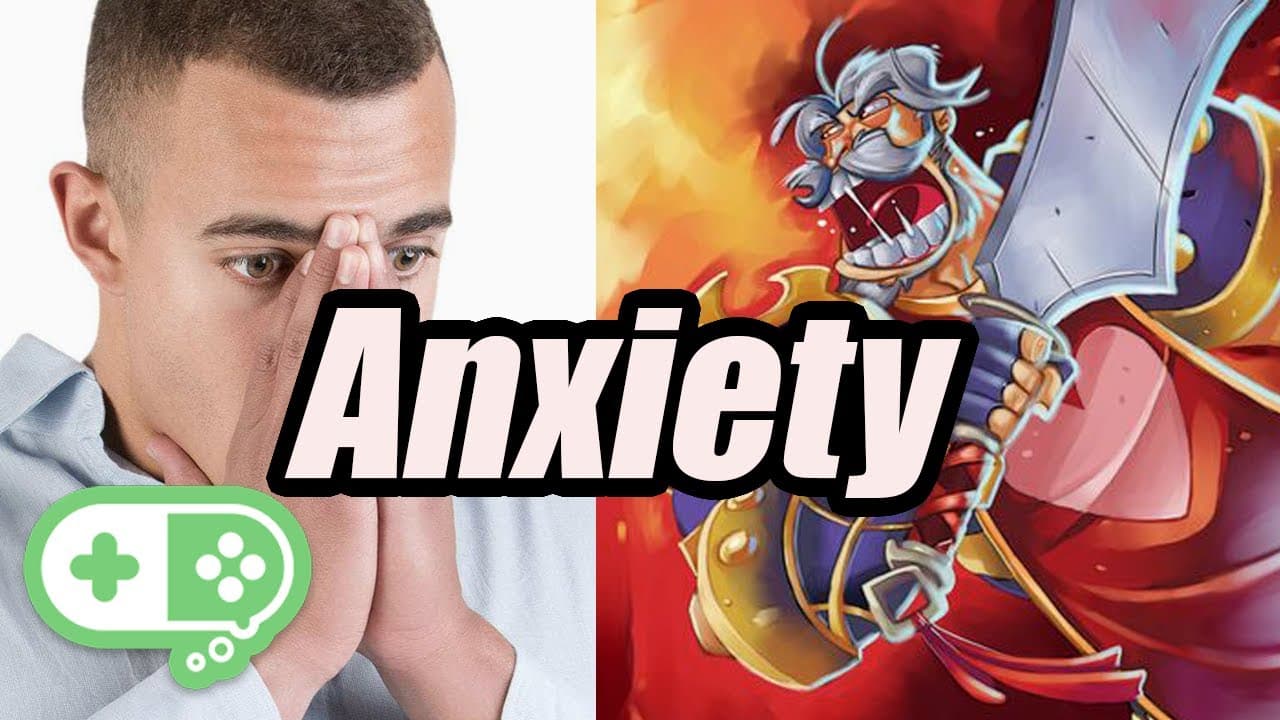
To overcome social anxiety, recognize it as a learned response to past experiences where being seen felt dangerous. Techniques like deep breathing to calm the adrenaline response, meditation to promote relaxation, and addressing the root causes of anxiety are effective strategies. Understanding triggers and employing self-compassion can help break the cycle and reduce fear in social situations.
Transcript
so how do you deal with social anxiety okay so the first thing to understand is that social anxiety is a learned response okay so social anxiety happens when somewhere I mean so there's there genetic predispositions to it but when I work with social anxiety what I really the most successful I've been is in helping people understand that like somewh... Read More
Key Insights
- 🙈 Social anxiety is often a learned survival response triggered by past experiences of feeling unsafe when being seen or judged.
- 🥰 Physical symptoms of social anxiety include an adrenaline response, increased heart rate, raised blood pressure, and sweating.
- 🫥 Coping mechanisms like self-deprecating humor and becoming invisible are common strategies developed in response to social anxiety triggers.
- 😟 Meditation can help manage social anxiety by calming the adrenaline response and activating the parasympathetic nervous system.
- 🫚 Breaking the cycle of social anxiety involves addressing the root cause and unlearning the learned survival response triggered by past experiences.
- 😨 Understanding specific triggers and emotions related to social anxiety is essential in addressing and overcoming the fear of being seen and judged.
- 🐢 Slowing down exhalation through deep breathing can help activate the parasympathetic nervous system and lower anxiety levels in social situations.
Install to Summarize YouTube Videos and Get Transcripts
Explore YouTube Video Summarizer or Get YouTube Transcript Extractor
Questions & Answers
Q: How does social anxiety develop?
Social anxiety often develops in response to past experiences where being seen or judged led to feelings of danger, creating a learned survival response to avoid such situations.
Q: What are the physical symptoms of social anxiety?
Symptoms of social anxiety include a sympathetic nervous response, leading to increased adrenaline, a fast heart rate, raised blood pressure, and sweating as the body perceives being watched as dangerous.
Q: How can meditation help in managing social anxiety?
Meditation can help manage social anxiety by calming the adrenaline response through activating the parasympathetic nervous system, which counteracts the fight-or-flight reaction, leading to a decrease in anxiety symptoms.
Q: Why is it important to address the root cause of social anxiety?
Addressing the root cause of social anxiety is crucial in unlearning the learned survival response, allowing individuals to identify triggers and work towards overcoming their fears by understanding and processing past experiences.
Summary & Key Takeaways
-
Social anxiety is a learned response triggered by past experiences of feeling unsafe when being seen or judged.
-
The body's sympathetic nervous response in social anxiety leads to physical symptoms like increased heart rate and sweating.
-
Self-deprecating humor and becoming invisible were coping mechanisms developed in response to social anxiety triggers.
Read in Other Languages (beta)
Share This Summary 📚
Summarize YouTube Videos and Get Video Transcripts with 1-Click
Try YouTube Summary with ChatGPT & Claude or YouTube Transcript Generator
Explore More Summaries from HealthyGamerGG 📚



Summarize YouTube Videos and Get Video Transcripts with 1-Click
Try YouTube Summary with ChatGPT & Claude or YouTube Transcript Generator