What Are the Psychological Effects of Drone Warfare?
TL;DR
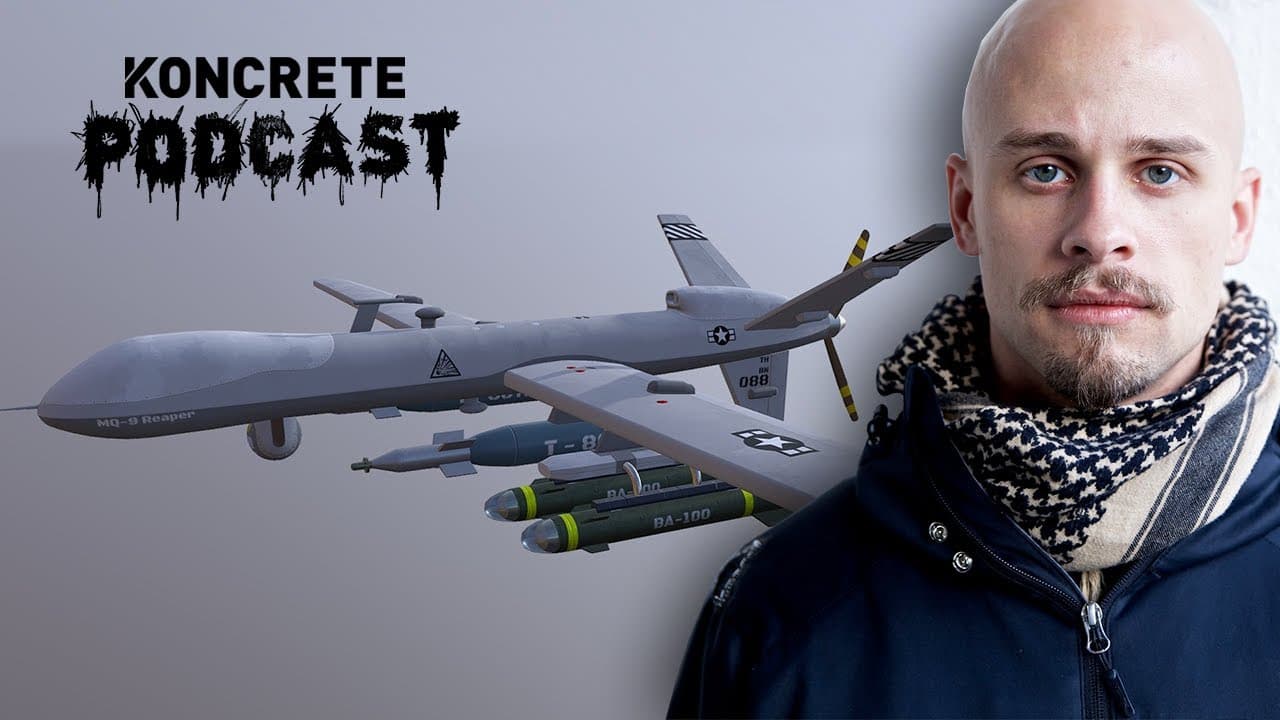
Drone warfare operators, like Brandon Bryant, often experience intense psychological distress and moral conflict due to the high rates of civilian casualties, which are dismissed as collateral damage. This emotional toll can lead to PTSD and substance abuse, highlighting a dangerous disconnect between military decision-makers and the on-ground reality faced by operators.
Transcript
we're going to start posting each podcast episode that you see on youtube a week earlier on patreon so feel free to join for early access to all episodes plus we're going to start doing bonus podcast episodes every week so if you want to join patreon it's patreon.com concretevideos next week's episode is already posted there so feel free to go chec... Read More
Key Insights
- ☠️ The U.S. drone program has come under scrutiny for its high rates of civilian casualties, often justified as collateral damage.
- 🥺 Former operators like Brandon Bryant report feeling intense psychological distress from their roles, leading to struggles with PTSD and substance abuse.
- 🛟 The military culture surrounding drone warfare often dehumanizes victims of strikes, reducing them to numbers rather than acknowledging their individual lives.
- 🎖️ Bryant’s whistleblowing highlights the need for accountability and reform within the military to address moral and ethical concerns.
- 😀 There is a significant disconnect between military leadership and ground reality, with operators facing different moral dilemmas than those making decisions from afar.
- 🗯️ The drone warfare model has been normalized in U.S. military strategy, with long-term implications for both international relations and domestic policy regarding civil rights.
- ✊ Bryant’s experience emphasizes the importance of integrity, compassion, and the responsibility individuals have in positions of power.
Install to Summarize YouTube Videos and Get Transcripts
Explore YouTube Video Summarizer or Get YouTube Transcript Extractor
Questions & Answers
Q: What motivated Brandon Bryant to blow the whistle on the drone program?
Brandon Bryant’s motivation stemmed from seeing the profound impacts of drone warfare on both civilians and operators. He experienced deep moral conflict during missions where he had to make life-and-death decisions from a remote location, witnessing the devastating consequences. His understanding of the program's ethical issues grew over time, leading him to realize that speaking out was essential for accountability and reform.
Q: How does Bryant describe the notion of collateral damage in drone strikes?
Bryant explains that collateral damage refers to civilian casualties that occur during drone strikes, often minimized in military reports. He criticizes the dehumanization inherent in labeling human lives as mere "tally marks" and emphasizes that drone strikes often kill innocent people alongside intended targets, revealing a grave moral failing in the approach to warfare.
Q: What psychological effects did drone operations have on the pilots, according to Bryant?
According to Bryant, drone operators often grappled with severe psychological stress, including PTSD and substance abuse. The nature of their work—tracking and killing individuals from afar—created a disconnect that could lead to deep emotional turmoil. Many operators struggled to reconcile their duties with the moral implications of their actions, resulting in long-term psychological repercussions.
Q: What reaction did Bryant receive from military officials when he reported concerns about the drone program?
When Bryant reported his concerns about the ethics of drone warfare and its implications on civilians, he faced dismissal and ridicule from military leadership. Higher-ups often downplayed the significance of civilian casualties and maintained a focus on operational success, creating an environment where ethical considerations were largely ignored.
Summary & Key Takeaways
-
Brandon Bryant, a former MQ-1 Predator operator, shares his experiences in the U.S. military drone program from 2006 to 2011, shedding light on the collateral damage and psychological toll on operators.
-
He details the ethical dilemmas faced by drone operators, including the normalization of civilian casualties, which he describes as collateral damage often treated as mere statistics.
-
After leaving the military, Bryant became a whistleblower, raising awareness about the consequences of drone warfare and the moral apathy within military leadership, highlighting issues such as substance abuse and PTSD among operators.
Read in Other Languages (beta)
Share This Summary 📚
Summarize YouTube Videos and Get Video Transcripts with 1-Click
Try YouTube Summary with ChatGPT & Claude or YouTube Transcript Generator
Explore More Summaries from Danny Jones Podcast 📚


Summarize YouTube Videos and Get Video Transcripts with 1-Click
Try YouTube Summary with ChatGPT & Claude or YouTube Transcript Generator