What Are Low Emission Zones and How Do They Work?
TL;DR
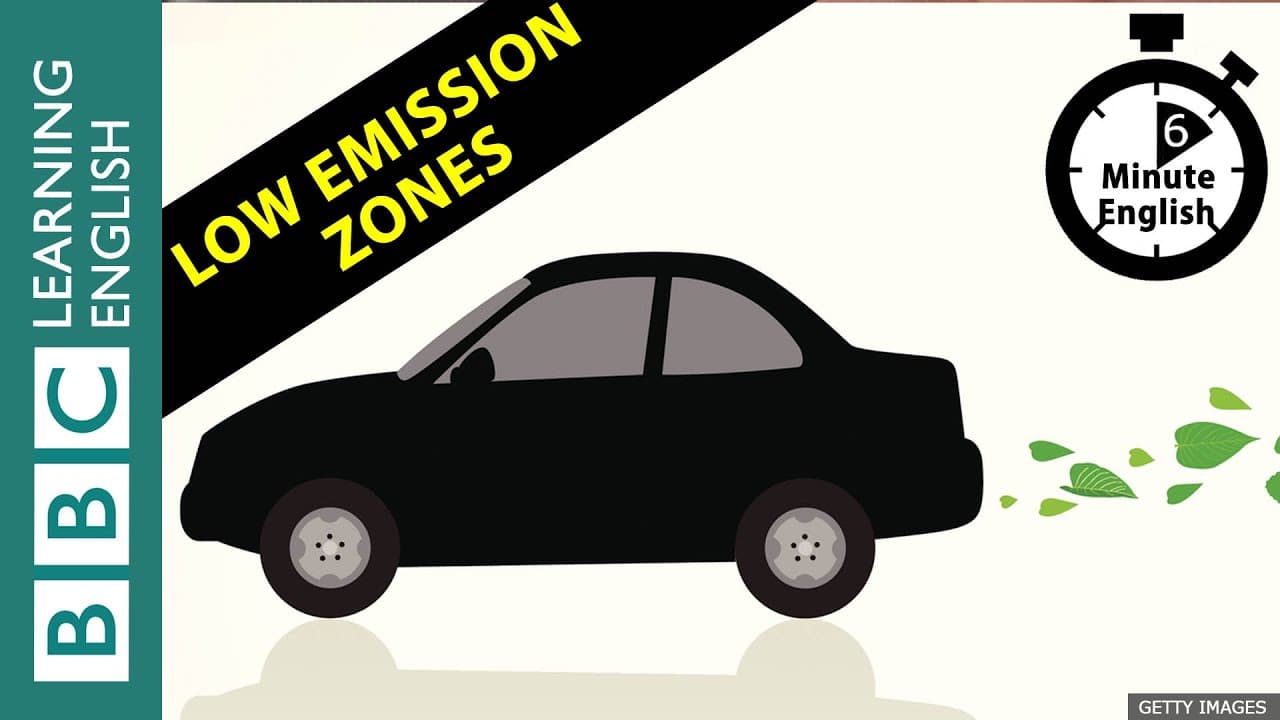
Low emission zones are designated areas in cities where vehicle emissions are regulated to reduce air pollution and improve public health. By implementing these zones, cities like London aim to control the amount of harmful pollutants and encourage the use of low-emission vehicles, contributing to a cleaner environment.
Transcript
Sam: Hello. This is 6 Minute English from BBC Learning English. I'm Sam… Neil: And I'm Neil. Sam: In this programme, we’re discussing low emission zones and explaining some useful items of vocabulary along the way. Neil: Well, that’s good, Sam. But what exactly is a low emission zone? Sam: Well, the noun 'emission' is an amount of, usually, gas, th... Read More
Key Insights
- Low emission zones are areas in cities where pollution levels are controlled, primarily targeting vehicle emissions to improve air quality.
- Cities like London have implemented ultra-low emission zones, requiring vehicles to meet emissions standards or face charges.
- The goal of low emission zones is to make the air cleaner and healthier, providing significant health benefits.
- Glasgow aims to become the UK’s first ‘net zero’ city, achieving neutral greenhouse gas emissions.
- Clean Air Zones are being introduced in several UK cities, including Bath, Leeds, and Birmingham, to tackle pollution.
- Professor Alastair Lewis emphasizes that air pollution is a complex issue with multiple sources, requiring diverse solutions.
- Targets for reducing pollution are important but should not be the sole focus; continuous improvement is necessary for health benefits.
- The UK government plans to ban new diesel and petrol cars by 2040, encouraging a shift to electric vehicles.
Install to Summarize YouTube Videos and Get Transcripts
Explore YouTube Video Summarizer or Get YouTube Transcript Extractor
Questions & Answers
Q: What are low emission zones?
Low emission zones are designated areas in cities where pollution levels are controlled. Vehicles entering these zones must meet specific emissions standards or face charges. The primary aim is to reduce air pollution, particularly from vehicle emissions, to improve air quality and public health.
Q: Why are low emission zones important?
Low emission zones are important because they help reduce air pollution, which has significant health benefits. By controlling emissions from vehicles, these zones contribute to cleaner air, reducing the risk of respiratory problems and other health issues associated with pollution.
Q: Which UK city plans to be the first ‘net zero’ city?
Glasgow has announced its intention to be the UK’s first ‘net zero’ city. The city aims to achieve neutral greenhouse gas emissions, setting an example for other cities to follow in reducing their environmental impact and tackling climate change.
Q: What did Professor Alastair Lewis say about air pollution?
Professor Alastair Lewis stated that air pollution is a complex problem with multiple sources, making it difficult to solve with a single action. While low emission zones help reduce pollution, they are not a standalone solution. A comprehensive approach is needed to effectively address air pollution.
Q: What are Clean Air Zones?
Clean Air Zones are areas in cities where measures are implemented to reduce pollution levels, often by regulating vehicle emissions. These zones are being introduced in several UK cities, such as Bath, Leeds, and Birmingham, to improve air quality and public health.
Q: What incentives are there for reducing vehicle emissions?
Incentives for reducing vehicle emissions include government regulations, such as the UK’s plan to ban new diesel and petrol cars by 2040. This encourages the adoption of electric vehicles and other low-emission alternatives, contributing to cleaner air and a healthier environment.
Q: How do targets help in reducing pollution?
Targets provide a clear goal for reducing pollution levels, helping to focus efforts and resources. However, they should not be the only focus; continuous improvement beyond meeting targets is necessary to maximize health benefits and achieve long-term environmental goals.
Q: What role do vehicles play in air pollution?
Vehicles are a major source of air pollution, emitting harmful gases such as nitrogen dioxide. Low emission zones target these emissions to reduce pollution levels in cities, improving air quality and reducing health risks associated with vehicle exhaust fumes.
Summary & Key Takeaways
-
Low emission zones in cities aim to control pollution by regulating vehicle emissions, improving air quality and health. Cities like London have implemented these zones, and other UK cities are following suit with Clean Air Zones.
-
Glasgow is striving to be the UK's first ‘net zero’ city, aiming for neutral greenhouse gas emissions. This highlights the importance of continuous efforts to reduce pollution beyond just meeting set targets.
-
Professor Alastair Lewis points out that air pollution is a complex problem with many sources. While low emission zones help reduce pollution, a multifaceted approach is necessary to effectively address this issue.
Read in Other Languages (beta)
Share This Summary 📚
Summarize YouTube Videos and Get Video Transcripts with 1-Click
Try YouTube Summary with ChatGPT & Claude or YouTube Transcript Generator
Explore More Summaries from BBC Learning English 📚

Summarize YouTube Videos and Get Video Transcripts with 1-Click
Try YouTube Summary with ChatGPT & Claude or YouTube Transcript Generator