Trans-Theoretical Model of Behaviour Change
TL;DR
Explores stages of behavior change in exercise.
Transcript
this e presentation will provide an introduction to the role of the trans theoretical model of behavior change in relation to exercise as a scientific Community we are often interested in the process that leads people to begin to engage in and then maintain healthy exercise behaviors the trans theoretical model helps us to understand the different ... Read More
Key Insights
- The trans-theoretical model outlines five stages of behavior change: precontemplation, contemplation, preparation, action, and maintenance, each representing a different level of readiness to change.
- Precontemplation is the stage where individuals are not ready to change and are encouraged to weigh the pros and cons of their current behavior.
- Contemplation involves individuals intending to change within a few months, but they may still avoid taking action, requiring support to reduce negative perceptions.
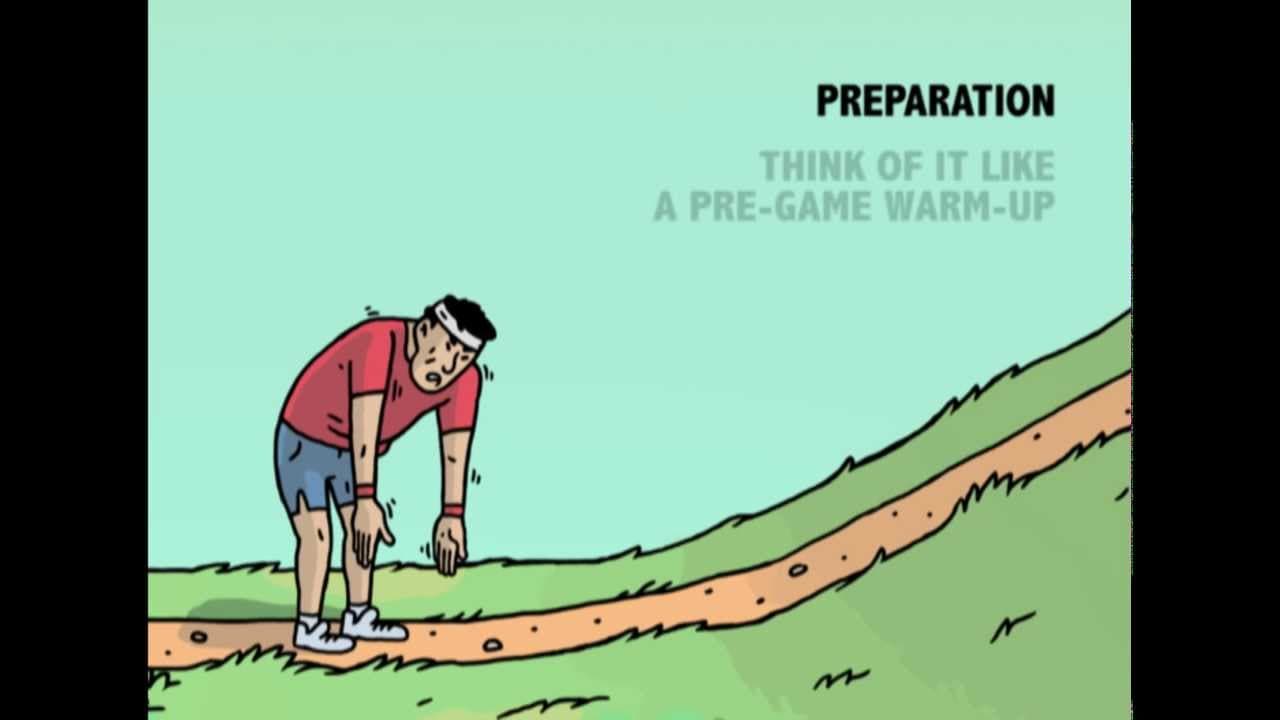
- In the preparation stage, individuals are ready to act within 30 days, taking small steps to incorporate new behaviors into their lives, emphasizing the importance of planning and competence.
- The action stage requires significant effort to maintain new behaviors, with a focus on strengthening commitment and avoiding relapse through supportive techniques.
- Maintenance involves sustaining behavior changes over several months, sharing experiences, and overcoming potential barriers to prevent reverting to old habits.
- Key processes facilitating behavior change include decisional balance, where benefits must outweigh costs, and self-efficacy, reflecting confidence in maintaining new behaviors.
- The model is cyclical, acknowledging that behavior change is not always linear, and individuals may recycle through stages multiple times before achieving lasting change.
Install to Summarize YouTube Videos and Get Transcripts
Explore YouTube Video Summarizer or Get YouTube Transcript Extractor
Questions & Answers
Q: What is the trans-theoretical model of behavior change?
The trans-theoretical model of behavior change is a framework that outlines the stages individuals go through when changing a behavior, particularly in relation to exercise. It consists of five stages: precontemplation, contemplation, preparation, action, and maintenance, each representing a different level of readiness and commitment to change.
Q: What occurs during the precontemplation stage?
During the precontemplation stage, individuals are not ready to change their behavior and may be resistant or defensive about adopting new habits. They are encouraged to consider the pros and cons of their current behavior and the benefits of making healthier choices, although they are unlikely to take action soon.
Q: How does the contemplation stage differ from precontemplation?
In the contemplation stage, individuals recognize the need for change and intend to engage in healthier behaviors within the next few months. Unlike precontemplation, they are more open to considering change but may still avoid taking action. Support from others can help reduce negative perceptions and encourage progress.
Q: What characterizes the preparation stage?
The preparation stage is characterized by individuals being ready to take action within 30 days. They begin taking small, gradual steps to incorporate new behaviors into their daily lives. Planning and building confidence in their ability to succeed are crucial to progressing to the next stage, as they may still have doubts about their competence.
Q: What challenges are faced during the action stage?
During the action stage, individuals have initiated behavior change and must work hard to maintain it. Challenges include avoiding relapse and strengthening their commitment to the new behavior. Techniques such as acknowledging progress and avoiding unhealthy influences can help sustain motivation and prevent regression to earlier stages.
Q: What is the focus of the maintenance stage?
The focus of the maintenance stage is on sustaining behavior changes over several months and integrating them into one's lifestyle. Individuals are encouraged to share their experiences and seek support from others who engage in healthy behaviors. Overcoming potential barriers and maintaining self-efficacy are crucial to preventing a return to old habits.
Q: What are the key processes that facilitate behavior change?
Key processes that facilitate behavior change include decisional balance, where the perceived benefits of change must outweigh the negatives, and self-efficacy, which reflects an individual's confidence in their ability to maintain new behaviors. These processes, along with the support of others, increase the likelihood of successful and sustained change.
Q: Why is the model considered cyclical rather than linear?
The model is considered cyclical because behavior change is not always a straightforward, linear process. Individuals may recycle through the stages multiple times before achieving lasting change. This acknowledges the reality that setbacks and relapses can occur, and progress may require revisiting earlier stages and strategies before achieving long-term success.
Summary & Key Takeaways
-
The trans-theoretical model provides a framework for understanding the stages of behavior change in relation to exercise. It includes five stages: precontemplation, contemplation, preparation, action, and maintenance, each representing a different level of readiness and commitment to change.
-
Precontemplation and contemplation stages involve individuals recognizing the need for change but not yet ready to take action. Preparation and action stages focus on planning and initiating new behaviors, while maintenance emphasizes sustaining changes and overcoming barriers.
-
Key processes in the model include decisional balance, where the benefits of change must outweigh the negatives, and self-efficacy, reflecting an individual's confidence in their ability to maintain new behaviors. The model is cyclical, acknowledging the non-linear nature of behavior change.
Read in Other Languages (beta)
Share This Summary 📚
Summarize YouTube Videos and Get Video Transcripts with 1-Click
Try YouTube Summary with ChatGPT & Claude or YouTube Transcript Generator