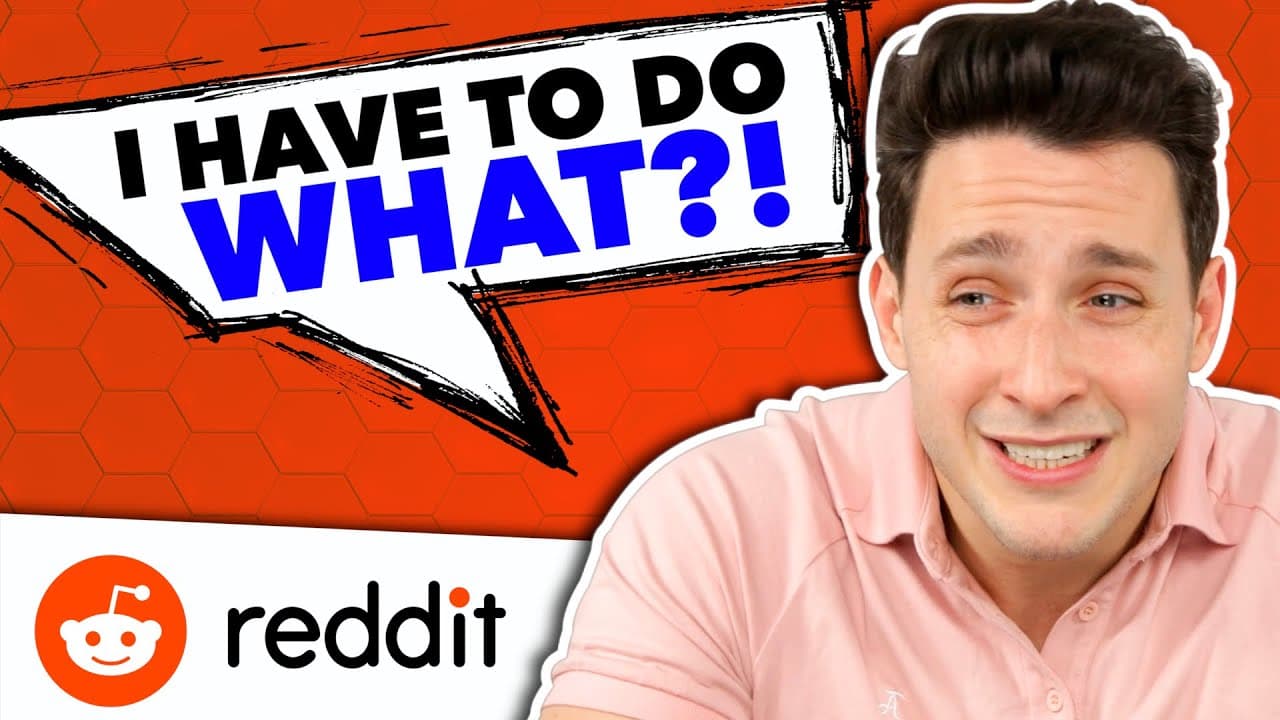
Med School NEVER Prepared Me For This
TL;DR
Doctors share unexpected lessons learned outside medical training.
Transcript
- What's up guys, it's time for another Reddit thread. I scour the internet, you know what I found? "Nurse and doctors of Reddit, "what is your they never taught this in school moment?" (drum roll) (upbeat music) (electricity buzzing) The first thing that pops into my head is actually something very meaningful to me that I'm gonna be doing a whole ... Read More
Key Insights
- 😷 Medical training often lacks focus on patient interactions with individuals who have disabilities, necessitating improved education.
- 🧑⚕️ Healthcare workers frequently encounter unexpected scenarios that challenge their preparedness, highlighting the need for adaptability and emotional intelligence.
- 😨 Emotional connections in patient care can foster both healing and personal fulfillment for healthcare professionals.
- 😷 The intense nature of medical settings can lead to critical situations where professionals need robust support systems for coping.
- 😷 It's essential for medical professionals to practice what they preach concerning health and wellness in their personal lives.
- ✋ Handling criticism is a significant skill developed over time, helping healthcare professionals navigate the high-pressure environment with more resilience.
- 😍 There is often uncertainty in medical diagnoses, emphasizing the importance of thorough investigation rather than rushing to conclusions.
Install to Summarize YouTube Videos and Get Transcripts
Explore YouTube Video Summarizer or Get YouTube Transcript Extractor
Questions & Answers
Q: What are some challenges faced by medical students in training?
Medical students often encounter real-world situations that differ from traditional training, particularly regarding patients with disabilities. They may lack basic knowledge about communicating effectively with blind or deaf patients, revealing a significant gap in their education, which needs addressing to improve patient care.
Q: How should healthcare professionals handle unexpected situations?
It's vital for healthcare professionals to cultivate emotional resilience and self-awareness. When faced with unanticipated events, acknowledging feelings of shock or surprise can help. Additionally, communicating honestly with patients fosters trust, allowing for a more supportive care environment.
Q: Can you share an emotional experience from the hospital?
An emotional moment involves a patient recovering from a severe medical condition, who was elated after a long time without a normal bowel movement. Such experiences highlight the emotional connection and gratification healthcare workers can find in their jobs, demonstrating the importance of human connection in medical care.
Q: Why is self-care important for medical professionals?
Self-care is essential for healthcare workers to maintain their well-being amidst the stresses of their profession. Neglecting personal health can lead to burnout, which ultimately affects patient care. It is crucial that medical professionals model the healthy habits they recommend to patients.
Summary & Key Takeaways
-
The content focuses on healthcare professionals sharing crucial "learned the hard way" moments that highlight the gaps in formal medical training.
-
Personal anecdotes reveal that many medical students and nurses are unprepared for real-life patient interactions, especially those involving sensitive situations or disabilities.
-
Emphasis is placed on the importance of emotional resilience, self-care, and communication in managing the pressures of the medical profession.
Read in Other Languages (beta)
Share This Summary 📚
Summarize YouTube Videos and Get Video Transcripts with 1-Click
Try YouTube Summary with ChatGPT & Claude or YouTube Transcript Generator
Explore More Summaries from Doctor Mike 📚

Summarize YouTube Videos and Get Video Transcripts with 1-Click
Try YouTube Summary with ChatGPT & Claude or YouTube Transcript Generator