Time To Assume The Crash Position? | Stephanie Pomboy
TL;DR
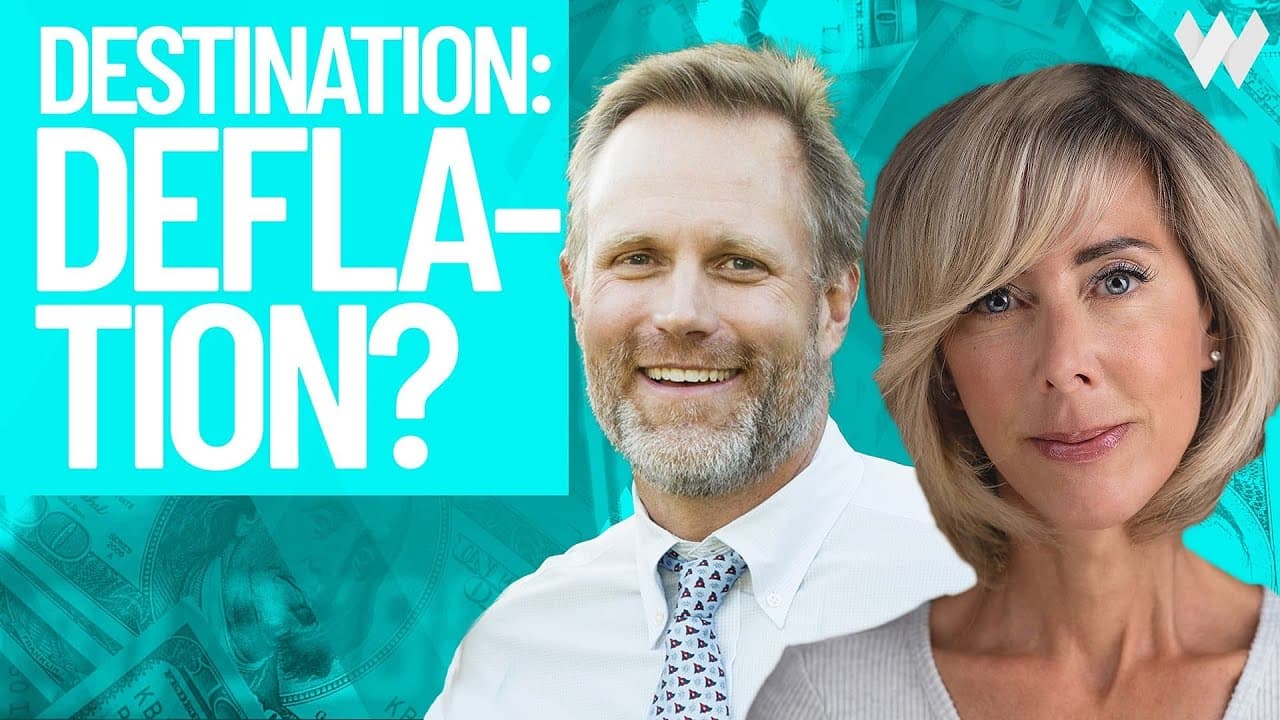
Stephanie Pomboy warns of an impending financial crisis caused by an interest rate shock hitting the global economy, resulting in credit defaults, corporate bankruptcies, and a decline in corporate profits. She emphasizes the importance of the Federal Reserve's actions and expresses concern about the consensus belief in a short and shallow recession.
Transcript
and we should be live I'm Adam Taggart founder of wealthyon Welcome to wealthyon a special treat today we have very good friend of the program Stephanie pomboy macro analyst extraordinaire joining us again for her monthly appearance on this channel Stephanie it's great to see you thank you so much great to see you Adam it feels like it's been more ... Read More
Key Insights
- 🫢 The interest rate shock is hitting the economy with devastating force, leading to credit defaults, corporate bankruptcies, and a decline in corporate profits.
- ☠️ The consensus belief in a short and shallow recession is based on the expectation of the Fed's pivot, but Stephanie questions the likelihood of this pivot and emphasizes the potential for long-term higher interest rates.
- 💳 Credit spreads and bank lending growth will be key indicators to watch, as widening credit spreads and further tightening of lending standards will exacerbate the financial crisis.
- 💯 Gold remains a core position for Stephanie, and she is bullish on its prospects given the current macroeconomic conditions.
- 🦻 Pensions, particularly at the state and local levels, are at risk, but Stephanie believes that some form of bailout is likely, potentially indirectly through state aid.
- 📈 The unemployment data, as reported by the government, should be questioned, and alternative metrics such as withheld employment taxes offer a different perspective on employment conditions.
Install to Summarize YouTube Videos and Get Transcripts
Explore YouTube Video Summarizer or Get YouTube Transcript Extractor
Questions & Answers
Q: What is Stephanie's assessment of the global economy and financial markets?
Stephanie characterizes the current situation as an interest rate shock, which is hitting the economy and markets with devastating force. The impact is not limited to the banking sector, and she identifies other areas where the wheels are coming off.
Q: How will the interest rate shock impact corporate credit and bankruptcies?
Stephanie explains that the interest rate shock is causing credit defaults and corporate bankruptcies, particularly in the corporate credit market. Companies are attempting to restructure their debts, but eventually, the problem will become widespread and uncontainable.
Q: What factors contribute to the belief in a short and shallow recession?
Stephanie highlights the consensus belief that the economy will experience a short and shallow recession due to the Fed's expected pivot in monetary policy and the continuous strength of the labor market. However, she doubts this view and believes that the Fed will continue to maintain higher interest rates for a longer period.
Q: How is the current economic situation affecting bank lending growth?
Stephanie notes that bank lending growth has slowed to an unprecedented level, which is unusual when the Fed is still raising rates. This slowdown in lending growth will restrict the economy and worsen the financial situation.
Key Insights:
- The interest rate shock is hitting the economy with devastating force, leading to credit defaults, corporate bankruptcies, and a decline in corporate profits.
- The consensus belief in a short and shallow recession is based on the expectation of the Fed's pivot, but Stephanie questions the likelihood of this pivot and emphasizes the potential for long-term higher interest rates.
- Credit spreads and bank lending growth will be key indicators to watch, as widening credit spreads and further tightening of lending standards will exacerbate the financial crisis.
- Gold remains a core position for Stephanie, and she is bullish on its prospects given the current macroeconomic conditions.
- Pensions, particularly at the state and local levels, are at risk, but Stephanie believes that some form of bailout is likely, potentially indirectly through state aid.
- The unemployment data, as reported by the government, should be questioned, and alternative metrics such as withheld employment taxes offer a different perspective on employment conditions.
- Small businesses, as seen in the NFIB survey, are experiencing pessimism and weakening outlooks, which could contribute to economic challenges.
Summary & Key Takeaways
-
Stephanie characterizes the current economic environment as an interest rate shock rather than a standard tightening cycle, with devastating impacts on the economy and markets.
-
She highlights that the effects of the interest rate shock are just beginning, with potential profound impacts on banks, corporate credit, consumer credit, and buy now pay later platforms.
-
Stephanie expresses concerns about the credit quality of municipalities and identifies pensions and insurers as the entities most exposed to the toxic financial situation.
Read in Other Languages (beta)
Share This Summary 📚
Summarize YouTube Videos and Get Video Transcripts with 1-Click
Try YouTube Summary with ChatGPT & Claude or YouTube Transcript Generator
Explore More Summaries from Wealthion 📚
Summarize YouTube Videos and Get Video Transcripts with 1-Click
Try YouTube Summary with ChatGPT & Claude or YouTube Transcript Generator