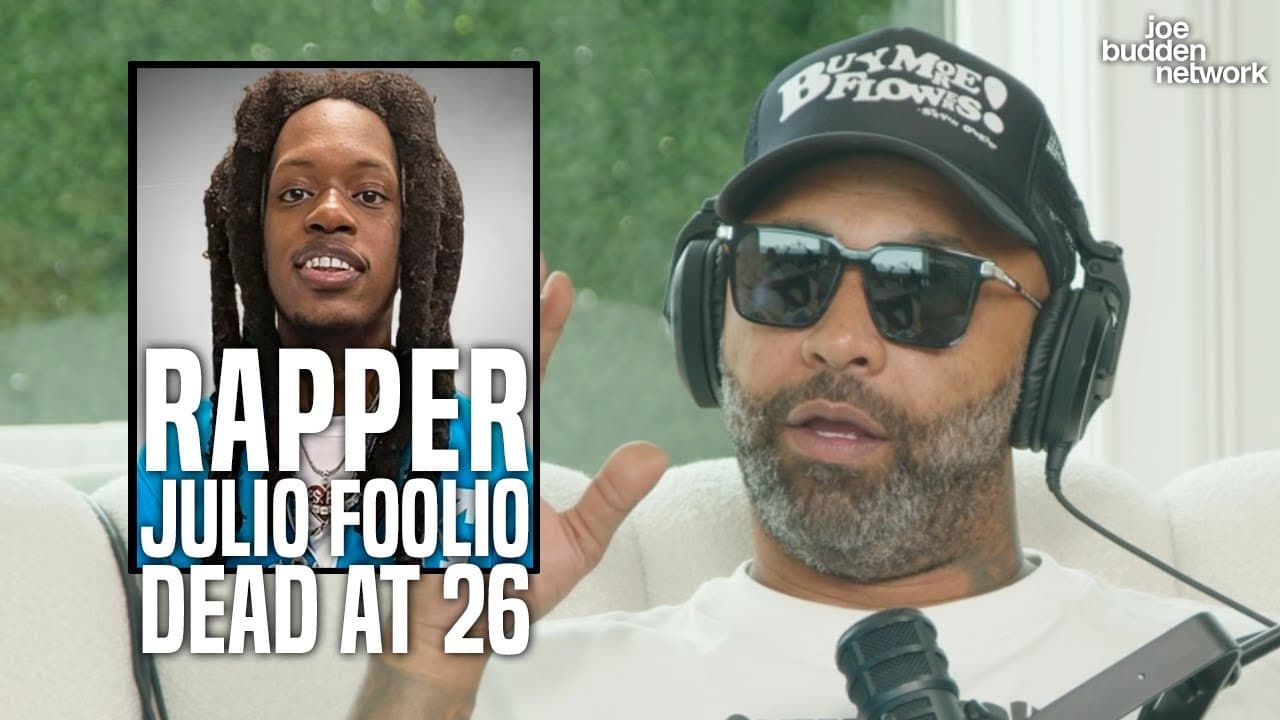
Rapper Julio Foolio Dead at 26 After Being Shot | Joe Budden Reacts
TL;DR
Discussion addresses Fulio's influence, violence in music, and societal responsibility.
Transcript
uh do we want to talk about fulio and fulio's passing rest in peace fio rest in peace fulio uh I wasn't so I'm not very familiar with him musically me either I only know the one song I'm not really familiar with him yeah yeah I only know the one song that ice had brought to our attention when we first started I know that song but I forgot I didn't ... Read More
Key Insights
- 💩 Fulio's music serves as a reflection of the ongoing violence within rap culture, prompting discussions about the genre's societal impact.
- 👣 The immediate production of diss tracks following violent incidents showcases the music industry's complicity in perpetuating cycles of conflict.
- 🧑🎨 Artists have a moral responsibility to consider the implications of their lyrics and the potential influence they have on youth cultures.
- ❔ There is a stark disparity in how society addresses violence in black communities versus white communities, raising questions about systemic bias and neglect.
- 🖤 Effective support systems, including emotional counseling for students, are often lacking in schools predominantly attended by black students.
- ❓ Responses to youth violence must account for the broader societal context to avoid normalizing tragedies that should have prompted significant action.
- 🤗 The importance of fostering open conversations about mental health and trauma in urban communities can aid in addressing the results of ongoing violence.
Install to Summarize YouTube Videos and Get Transcripts
Explore YouTube Video Summarizer or Get YouTube Transcript Extractor
Questions & Answers
Q: Who was Fulio and what is his significance in the music industry?
Fulio, a rapper known for his song "When I See You," gained recognition for his contributions to the rap scene, particularly in addressing themes of violence and conflict. His passing sparked discussions on how music reflects and influences real-life struggles, particularly within marginalized communities, leading to broader conversations about societal issues and healing.
Q: What concerns are raised about the production of diss tracks after an artist's death?
The rapid release of diss tracks following a rapper's death is a troubling trend highlighted in the discussion. It demonstrates a lack of respect for the deceased and perpetuates a cycle of violence, as these tracks often reignite old feuds and animosities. Critics argue that such practices contribute to ongoing conflict rather than promoting resolution or reflection.
Q: How do the speakers view the relationship between music and youth violence?
The conversation emphasizes that certain genres of music, particularly rap, can act as catalysts for youth violence. The speakers suggest that the portrayal of conflict and aggression in music may influence young listeners' behavior, leading to real-world consequences. They discuss the need for greater accountability from artists and industry stakeholders regarding the messages conveyed in their music.
Q: What are the differences in societal responses to violence in black versus white communities, according to this discussion?
A significant point raised is that society often responds differently to violence in black communities compared to white ones. The conversation notes that when a black youth is killed, it is often treated as a routine incident with little emotional support offered to their peers, whereas similar tragedies involving white youth prompt systemic responses, such as counseling and community discussions.
Q: How does this dialogue suggest that the music industry could change its impact on youth?
The speakers argue that the music industry could enact change by taking a stand against violent messaging in music and focusing on promoting themes of resilience and community strength. By prioritizing artists who deliver positive messages and offering support to underrepresented voices, the industry could contribute to a healthier environment for youth.
Summary & Key Takeaways
-
The conversation reflects on the late rapper Fulio, focusing on his musical contributions and the impact of his song "When I See You," which exemplifies the ongoing cycle of violence in rap culture.
-
The participants express concern over the rapid production of diss tracks following artists' deaths, highlighting how this perpetuates a culture of violence instead of fostering healing or understanding.
-
The discussion touches on societal indifference to violence in different communities, contrasting reactions to black and white tragedies and the broader implications of music in shaping youth behavior.
Read in Other Languages (beta)
Share This Summary 📚
Summarize YouTube Videos and Get Video Transcripts with 1-Click
Try YouTube Summary with ChatGPT & Claude or YouTube Transcript Generator
Explore More Summaries from Joe Budden TV 📚

Summarize YouTube Videos and Get Video Transcripts with 1-Click
Try YouTube Summary with ChatGPT & Claude or YouTube Transcript Generator