Sticky Octopus | Do or Die
TL;DR
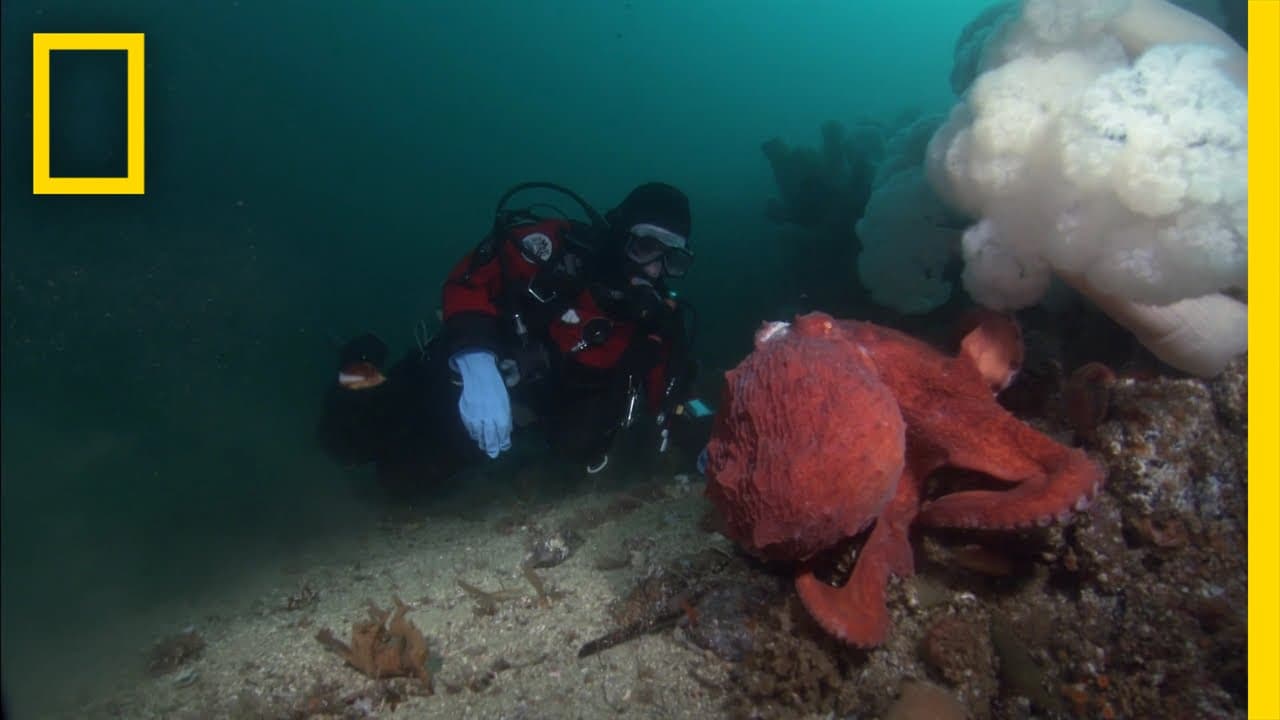
Deep-sea diver faces life-threatening struggle with a Giant Pacific octopus at 80 feet below the surface.
Transcript
80 feet below the surface of the North Pacific the frigid home of oversized fauna and mysterious sea creatures the perfect place for naturalist Doug Pemberton and his diving partner to film the elusive inhabitants of this underwater Kingdom on this dive they're hoping to get up close and personal with one animal in particular the Giant Pacific octo... Read More
Key Insights
- 🐙 Giant Pacific octopus combines intelligence and strength, making it a formidable predator.
- ↩️ Underwater encounters with marine animals can turn dangerous quickly, requiring swift decision-making.
- 🤢 Deep-sea diving poses unique risks and challenges, necessitating thorough preparation and awareness.
- 🍵 Understanding animal behavior and anatomy is crucial for handling dangerous wildlife encounters.
- 🛟 Panic and hesitation can worsen life-threatening situations, emphasizing the importance of staying calm.
- 🤔 Survival instincts and quick thinking are essential when facing perilous scenarios in nature.
- 🤢 Proper training and equipment are vital for minimizing risks during adventurous activities like deep-sea diving.
Install to Summarize YouTube Videos and Get Transcripts
Explore YouTube Video Summarizer or Get YouTube Transcript Extractor
Questions & Answers
Q: What makes the Giant Pacific octopus so dangerous?
The octopus is intelligent and strong, with thousands of chemical receptors on its suction cups, making it virtually insensitive to touch and taste. Its muscles enable powerful grip, posing serious danger to humans.
Q: Why is it crucial to act quickly during an octopus attack?
Acting promptly is essential as the octopus can tighten its grip rapidly, restricting breathing and movement. Delaying actions increases the risk of suffocation or injury from the powerful suction cups.
Q: What challenges does Doug face during the octopus encounter?
Doug struggles to break free from the octopus's grip, compounded by the octopus seizing his breathing regulator. Panic and limited options intensify the life-or-death situation deep underwater.
Q: How does the octopus's anatomy contribute to its predatory abilities?
The octopus's suction cups, equipped with chemical receptors and strong muscles, allow it to create airtight seals and overpower prey effortlessly. This specialized anatomy enhances its hunting and defense mechanisms.
Summary & Key Takeaways
-
Naturalist Doug Pemberton encounters a Giant Pacific octopus during a dive in the North Pacific.
-
The octopus tightens its grip on Doug, leading to a life-threatening situation.
-
Viewers are presented with a choice on how to potentially survive the octopus attack.
Read in Other Languages (beta)
Share This Summary 📚
Summarize YouTube Videos and Get Video Transcripts with 1-Click
Try YouTube Summary with ChatGPT & Claude or YouTube Transcript Generator
Explore More Summaries from National Geographic 📚


Summarize YouTube Videos and Get Video Transcripts with 1-Click
Try YouTube Summary with ChatGPT & Claude or YouTube Transcript Generator