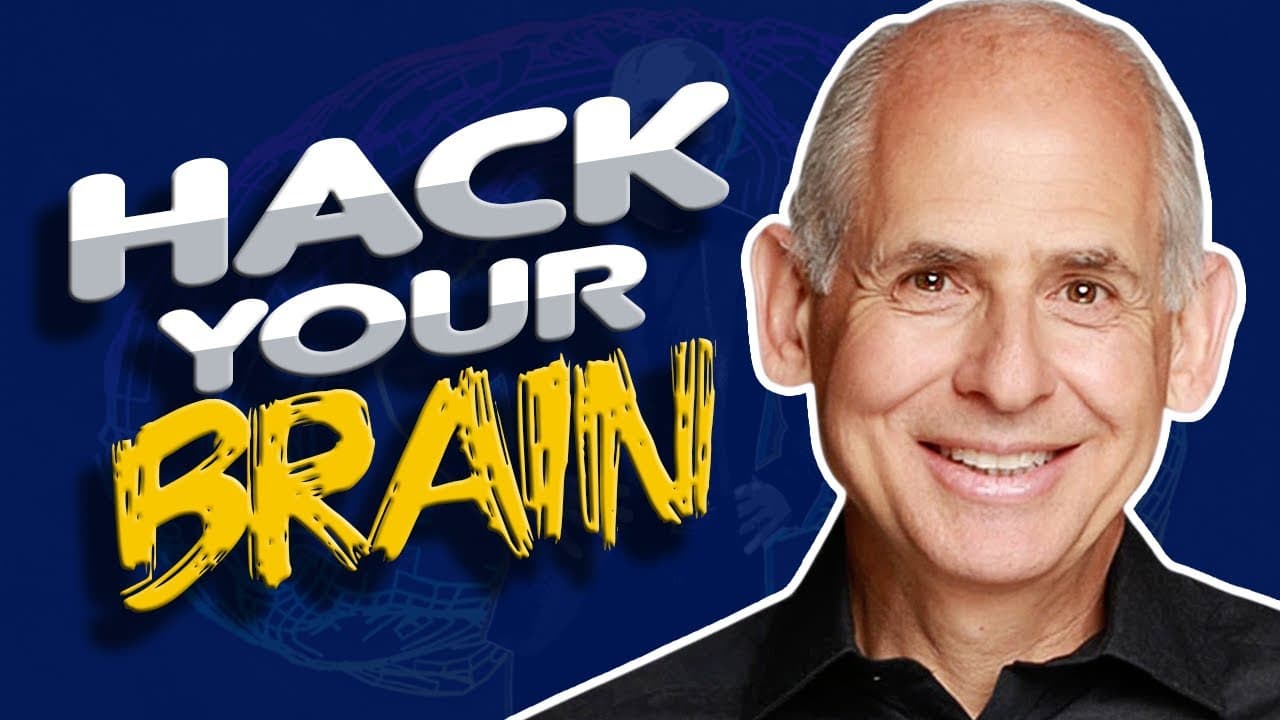
Brain Health & Mental Resilience Secrets (Science-Backed) w/ Dr. Daniel Amen
TL;DR
Dr. Amen discusses brain health, resilience, and combating negative thoughts.
Transcript
I have a real friend here today and somebody that I admire tremendously he's helped me he's scanned my brain I think he's the foremost expert on brain health on the planet we're living in a toxic Society if you take the toxic food the toxic products the toxic social media that creates this high level of self-absorption and self-absorbed people are ... Read More
Key Insights
- Dr. Amen highlights the toxic environment we live in, from food to social media, which impacts mental health negatively.
- Thoughts are not always true or helpful; they can be inherited or influenced by external factors and need to be managed.
- Children's mental health is in crisis, with alarming statistics on depression and suicidal thoughts, partly due to societal pressures.
- Bonding and attachment are crucial for mental resilience, impacting how children deal with adversity.
- Automatic Negative Thoughts (ANTS) can be managed through specific strategies, improving mental well-being.
- Diet, including caffeine and sugar, significantly affects brain health and mental clarity.
- Physical activity, especially coordination exercises, is vital for brain development and mental health.
- Social media and screen time should be limited to protect mental health, especially in children.
Install to Summarize YouTube Videos and Get Transcripts
Explore YouTube Video Summarizer or Get YouTube Transcript Extractor
Questions & Answers
Q: What is the difference between the mind and the brain?
The brain is the physical organ that creates the mind, which is the manifestation of thoughts and feelings. Dr. Amen emphasizes that brain health is crucial for a healthy mind, comparing it to hardware and software. A healthy brain leads to a healthy mind, requiring proper care and programming.
Q: How can Automatic Negative Thoughts (ANTS) be managed?
ANTS can be managed by recognizing and challenging them. Dr. Amen suggests writing down negative thoughts, identifying their type, and questioning their truth. Over time, this practice can help rewire the brain to reduce the impact of these thoughts, promoting mental well-being.
Q: What role does diet play in brain health?
Diet significantly affects brain health. Dr. Amen advises avoiding caffeine and sugar, which can harm the brain. He recommends omega-3 fatty acids, saffron, and other supplements that support mental clarity and resilience. Proper nutrition is essential for maintaining a healthy brain and mind.
Q: Why is bonding important for children's mental health?
Bonding is crucial for mental resilience. It provides emotional security and helps children develop coping mechanisms. Dr. Amen emphasizes that time spent with children, listening, and being present strengthens bonds, which is essential for their mental health and ability to handle adversity.
Q: How does physical activity impact brain health?
Physical activity, especially coordination exercises like tennis or pickleball, is vital for brain development. It enhances the cerebellum, improving coordination and thought processes. Dr. Amen stresses the importance of exercise for maintaining mental health and preventing cognitive decline.
Q: What is the impact of social media on mental health?
Social media can harm mental health by increasing stress and reducing attention spans. Dr. Amen warns against excessive screen time, especially for children, as it can lead to addiction and negatively affect brain development. Limiting exposure is crucial for protecting mental well-being.
Q: Can thoughts have physical manifestations in the body?
Yes, thoughts can physically manifest in the body. Negative thoughts can increase stress hormones like cortisol, affecting immune function and potentially leading to physical symptoms. Dr. Amen explains that managing thoughts can improve both mental and physical health.
Q: How can resilience be built in children?
Resilience is built by allowing children to face challenges and learn from them. Dr. Amen suggests not solving all their problems but encouraging independence and problem-solving skills. This approach helps children develop confidence and the ability to bounce back from adversity.
Summary & Key Takeaways
-
Dr. Amen discusses the impact of toxic environments on mental health, emphasizing the need to manage negative thoughts and build resilience.
-
The conversation covers the importance of bonding and attachment in children, highlighting strategies to foster mental strength and accountability.
-
Diet, physical activity, and limited screen time are crucial for maintaining brain health, while acknowledging the role of genetics and epigenetics.
Read in Other Languages (beta)
Share This Summary 📚
Summarize YouTube Videos and Get Video Transcripts with 1-Click
Try YouTube Summary with ChatGPT & Claude or YouTube Transcript Generator
Explore More Summaries from Ed Mylett 📚






Summarize YouTube Videos and Get Video Transcripts with 1-Click
Try YouTube Summary with ChatGPT & Claude or YouTube Transcript Generator