Vampire Biology Explained | The Science of Vampirism
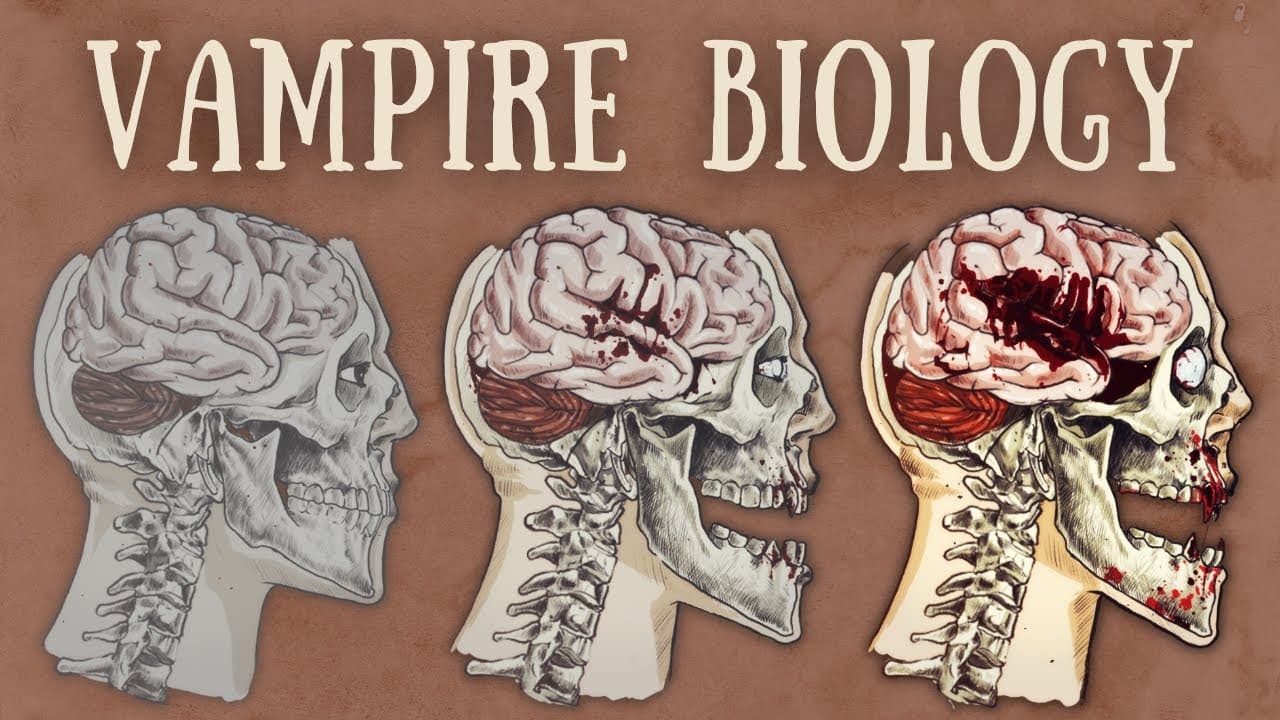
TL;DR
Vampires exist due to a mutagenic virus affecting human biology.
Transcript
Mythical creatures have haunted us for eons. Stories of ogres, werewolves, dragons, yetis, giants, and other terrifying creatures lurk in every culture and across all recorded time. And though societies rise and fall, it seems the tales of otherworldly creatures are harder to kill. One such creature is said to stalk the night, seeking any... Read More
Key Insights
- Vampires are real entities resulting from a mutagenic virus similar to rabies, altering human biology and physiology significantly.
- The virus, called HVV, infects nearly all human cells, except red blood cells, and spreads rapidly through the body.
- The transformation into a vampire involves a vampiric coma, during which the body undergoes drastic anatomical and physiological changes.
- Vampires exhibit enhanced abilities such as superior night vision, heightened senses, and increased strength and speed due to altered muscle and brain structures.
- Vampires subsist on human blood due to a loss of ability to synthesize a crucial protein, requiring them to extract it from their prey.
- The virus allows vampires to hibernate for extended periods, enabling them to survive when prey is scarce and avoid extinction.
- Vampires can live for centuries due to increased production of telomerase and antioxidant enzymes, preventing cellular aging.
- Many vampire myths, such as aversion to sunlight and garlic, are exaggerated or false, stemming from misinterpretations of their actual traits.
Install to Summarize YouTube Videos and Get Transcripts
Explore YouTube Video Summarizer or Get YouTube Transcript Extractor
Questions & Answers
Q: What is the cause of vampirism according to the video?
Vampirism is caused by a mutagenic virus known as HVV, which infects nearly all human cells, altering their biology and physiology. This virus spreads through bodily fluids and transforms humans into vampires by changing their anatomical and physiological structures.
Q: How does the virus affect the vampire's physiology?
The virus affects the vampire's physiology by enhancing their senses, strength, and speed. It alters muscle composition, increases brain capabilities, and changes the circulatory system. Vampires also develop superior night vision and heightened senses, making them formidable predators.
Q: Why do vampires need to consume human blood?
Vampires need to consume human blood because the virus causes them to lose the ability to synthesize a crucial protein necessary for their enhanced nervous systems. This protein, only found in hominids, must be extracted from human blood to sustain their biological functions.
Q: What myths about vampires are addressed in the video?
The video addresses several myths about vampires, clarifying that they do not combust in sunlight, are not repelled by garlic, cannot shape-shift, and do not lack reflections in mirrors. These myths are based on exaggerated or distorted interpretations of their true traits.
Q: How do vampires manage to live for centuries?
Vampires manage to live for centuries by producing higher levels of telomerase and antioxidant enzymes, which prevent DNA damage and cellular aging. This allows them to maintain their biological functions and avoid the effects of aging that typically affect humans.
Q: What is the significance of the vampiric coma?
The vampiric coma is a critical phase in the transformation process, during which the body undergoes drastic anatomical and physiological changes. This state of unconsciousness allows the virus to alter the host's biology, resulting in the enhanced abilities and traits characteristic of vampires.
Q: How do vampires cope with the scarcity of prey?
Vampires cope with the scarcity of prey by entering a state of hibernation, where they can remain dormant for extended periods. This ability allows them to survive when resources are scarce and gives their human prey time to repopulate, ensuring a sustainable food source.
Q: What role does the virus play in the vampire's enhanced abilities?
The virus enhances the vampire's abilities by altering their brain and muscle structures, increasing their sensory perception, strength, and speed. It also affects their metabolism and immune system, granting them superior night vision, heightened senses, and resistance to diseases, making them effective predators.
Summary & Key Takeaways
-
Vampires are portrayed as real beings due to a virus called HVV, which alters human biology, granting them enhanced abilities and a need for human blood.
-
The transformation involves a vampiric coma, during which the body undergoes significant changes, including heightened senses and increased strength.
-
Vampires can live for centuries by avoiding cellular aging, and many myths about them are exaggerated or false, based on misinterpretations of their traits.
Read in Other Languages (beta)
Share This Summary 📚
Summarize YouTube Videos and Get Video Transcripts with 1-Click
Try YouTube Summary with ChatGPT & Claude or YouTube Transcript Generator