What Drives the Taliban's Ideology and Structure?
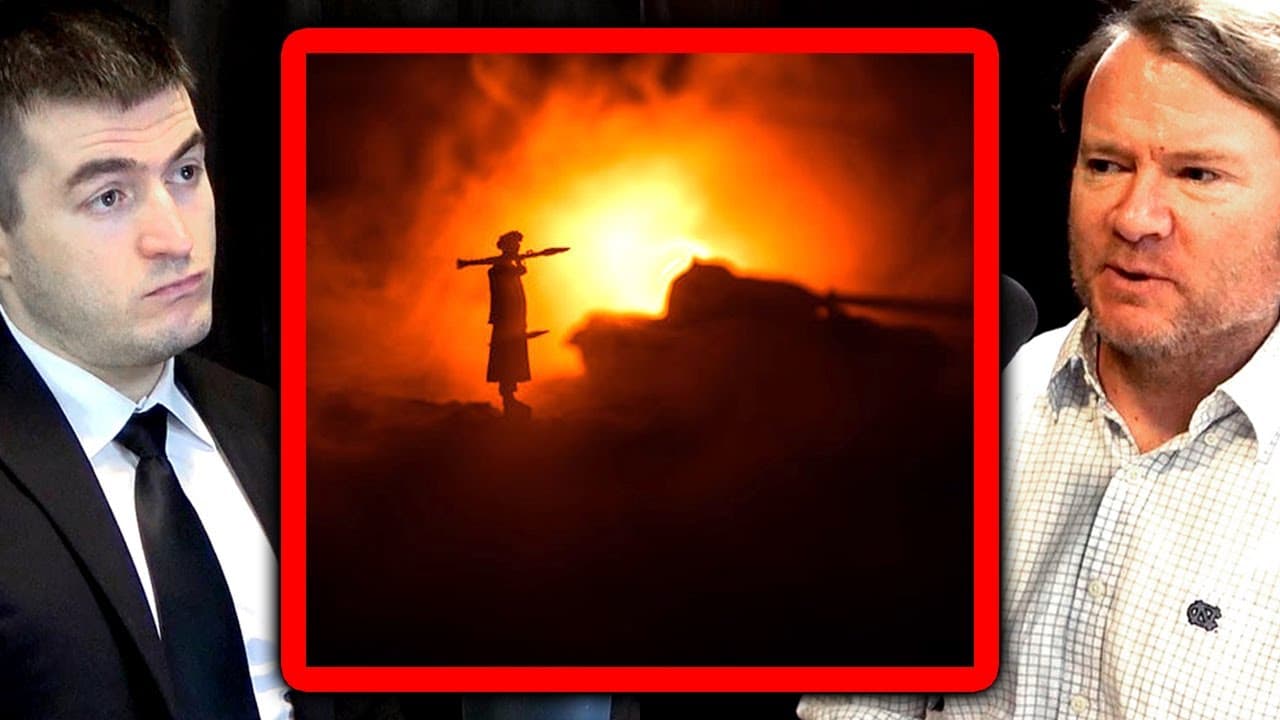
TL;DR
The Taliban operates as a well-organized clerical-military group, primarily representing Pashtun interests. Their cohesive ideology underscores a commitment to public morality and order, with roots in their origin story as defenders against crime. Understanding their complex structure and diverse elements is essential to grasp their role in contemporary Afghanistan.
Transcript
who are the taliban what do they stand for what do they want obviously year by year this changes so what is the nature of this organization can they be a legitimate peaceful kind respectful uh government sort of holder of power or or are they fundamentally not capable of doing so yeah i mean the briefest answer would be that they are a clerical sla... Read More
Key Insights
- 🎖️ The Taliban combines religious and military elements, making them a unique organization with a distinct ideology.
- 🖐️ Their ethnic identity as Pashtuns plays a significant role in their self-perception and recruitment efforts.
- 🪈 The Taliban's focus on public morality and restoring order contributes to their appeal among certain segments of the population.
- ✋ Their organizational structure is complex, with various interests and actors involved, but they maintain a high degree of discipline and cohesion.
- ❓ Understanding the Taliban requires acknowledging the diversity within the organization and the different perspectives among Pashtuns towards them.
- 👥 The Taliban's origins as a breakaway group resisting criminal elements have shaped their narrative and emphasis on public morality.
- 💯 Their governance capabilities and ability to run a functional banking system are questionable, considering their core intellectual priorities.
Install to Summarize YouTube Videos and Get Transcripts
Explore YouTube Video Summarizer or Get YouTube Transcript Extractor
Questions & Answers
Q: What is the nature of the Taliban organization?
The Taliban is a well-organized clerical-military group with a cohesive and enduring ideology. While it consists of various actors and interests, it has a strong emphasis on public morality and restoring order.
Q: What is the composition of the Taliban?
The core membership of the Taliban is predominantly ethnic Pashtuns, but they have attempted to mobilize other Pashtun groups with limited success. They also claim to represent other ethnic groups like Uzbeks, Tajiks, and Hazaras, but their recent actions suggest a dominant Pashtun identity.
Q: What is the ideology of the Taliban?
The Taliban's ideology revolves around public morality and being on the side of the underdog. They view themselves as pious Robin Hoods, fighting against evil and seeking to redistribute wealth and privilege to the poor.
Q: How did the Taliban come to power?
The Taliban's path to power involved propagating the idea of martyrdom and attracting young men who experienced warfare and victimization. They promised these individuals a sense of purpose and a way to break free from their difficult circumstances.
Summary & Key Takeaways
-
The Taliban is a clerical-military organization that has a complex structure, with various actors, interests, and competing elements within it.
-
While scholars have labeled them as part of the Deobandi school of thought or an ethnic movement, the Taliban is primarily a group representing Pashtun power and pious Muslims.
-
They have a strong emphasis on public morality and restoring order, using an origin story that portrays them as defenders of the underdog.
Read in Other Languages (beta)
Share This Summary 📚
Summarize YouTube Videos and Get Video Transcripts with 1-Click
Try YouTube Summary with ChatGPT & Claude or YouTube Transcript Generator
Explore More Summaries from Lex Clips 📚




Summarize YouTube Videos and Get Video Transcripts with 1-Click
Try YouTube Summary with ChatGPT & Claude or YouTube Transcript Generator