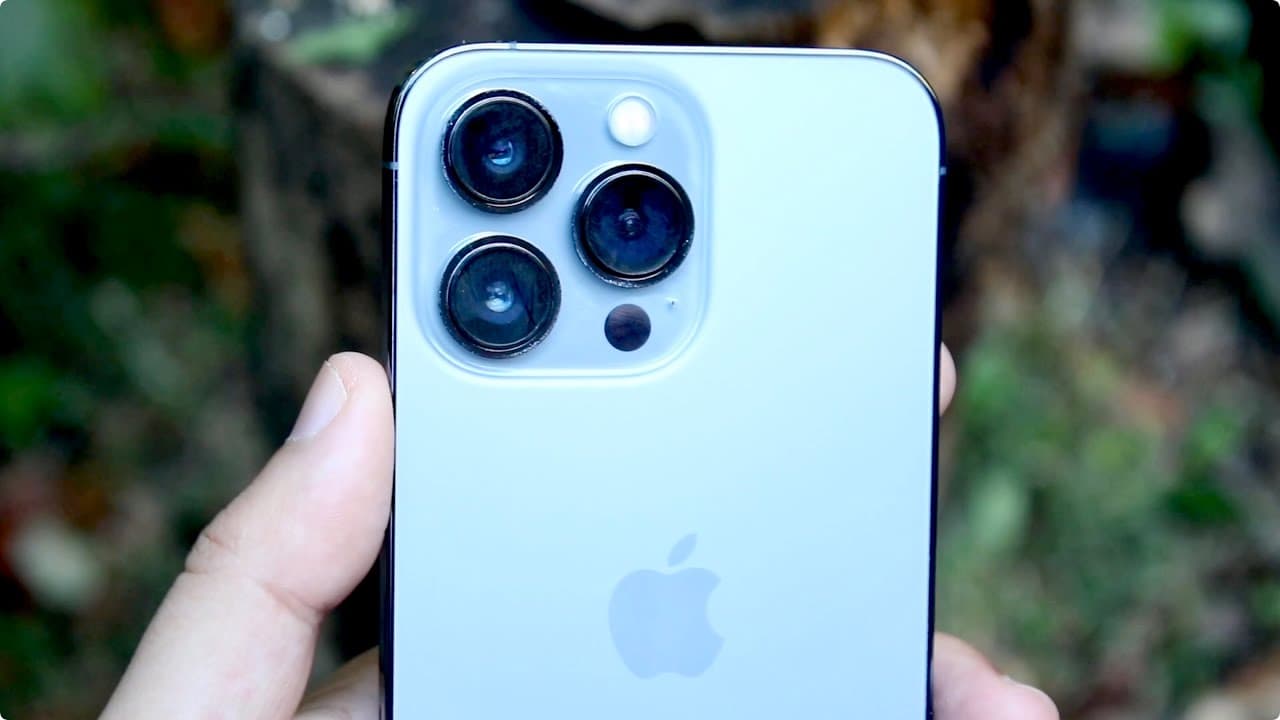
iPhone 13 Is WEIRD
TL;DR
iPhone repairs have become increasingly difficult, limiting user options and functionality.
Transcript
welcome back everyone as most of you know the iphone 13s came out and they're really good phones i think overall you know they bring a lot of capability they kept the same price tag which is good and we now have pro motion on all the iphones at least for the pro and the pro max not for the lower end ones but there is something that annoys me with e... Read More
Key Insights
- 👤 The iPhone 13 series has garnered positive reviews primarily due to pricing and enhanced features like ProMotion, which adds value for users.
- 🥳 Apple's repair structure has limitations making third-party repairs increasingly difficult, ultimately benefiting their service ecosystem financially.
- 🤕 Consumers' frustration with repairability reflects a growing concern for sustainability and device longevity in an age where electronics are increasingly disposable.
- 😀 Companies across the smartphone industry face similar criticisms about repairability, suggesting a trend that might not be limited to Apple.
- 👤 A shift towards integrated components has made it harder for users to engage in DIY repairs, limiting their autonomy and financial options.
- 🗯️ The recent trend poses a challenge to the right-to-repair movement, advocating for more accessible and user-friendly repair processes across all products.
- 🥶 Users often report a nostalgic sentiment towards older device models, highlighting a longing for the repair freedom those models provided.
Install to Summarize YouTube Videos and Get Transcripts
Explore YouTube Video Summarizer or Get YouTube Transcript Extractor
Questions & Answers
Q: Why has iPhone repairability declined over newer models?
The decline in iPhone repairability can be attributed to Apple's increasing restrictions on how replacement parts function. For example, newer models like the iPhone 13 have parts that are tied to its specific device, meaning genuine displays from one phone won't work if installed in another. This shift started notably with the iPhone X, where key components were integrated more tightly, reducing the user’s ability to repair devices independently.
Q: What specific issues arise with Face ID repairs on the iPhone 13?
Replacement of displays on the iPhone 13 can lead to the malfunction of Face ID due to a unique configuration linking the display to the original device. Even using a genuine Apple display from the same model can result in Face ID not working correctly. This issue promotes a sense of frustration among users who may wish to repair their devices, as they lose functionality that was once easily addressed.
Q: How did earlier iPhone models differ in terms of repairability?
Earlier iPhone models like the 6 and 6s offered significant freedom for repairs. Users could easily replace components such as batteries, cameras, and displays with third-party parts or DIY solutions. These repairs typically did not threaten the functionality of other features, allowing for a higher degree of flexibility and user empowerment that has since diminished in recent models.
Q: What are the implications of limited repairability for consumers?
Limited repairability forces consumers into a position where they must rely on Apple for repairs, resulting in higher costs and inconvenience. This creates a barrier especially for users who prefer to manage their device repairs independently. Additionally, it restricts the longevity of devices, as users may find it more cost-effective to replace rather than repair a broken device.
Summary & Key Takeaways
-
The launch of the iPhone 13 series has been met with praise, particularly for maintaining price and introducing ProMotion features. However, there are underlying issues regarding repairability that users should be aware of.
-
Historically, earlier iPhone models like the 6 and 6s allowed for extensive repairs, but recent versions, starting from the iPhone X series, have restricted the functionality of replacement parts, especially with Face ID and displays.
-
This trend has frustrated users who now face challenges in self-repairing devices, as many components are now tightly linked to individual phones, discouraging third-party repair options and forcing reliance on Apple’s services.
Read in Other Languages (beta)
Share This Summary 📚
Summarize YouTube Videos and Get Video Transcripts with 1-Click
Try YouTube Summary with ChatGPT & Claude or YouTube Transcript Generator
Explore More Summaries from Simple Alpaca 📚



Summarize YouTube Videos and Get Video Transcripts with 1-Click
Try YouTube Summary with ChatGPT & Claude or YouTube Transcript Generator