How to Stretch for Muscle Growth and Injury Prevention
TL;DR
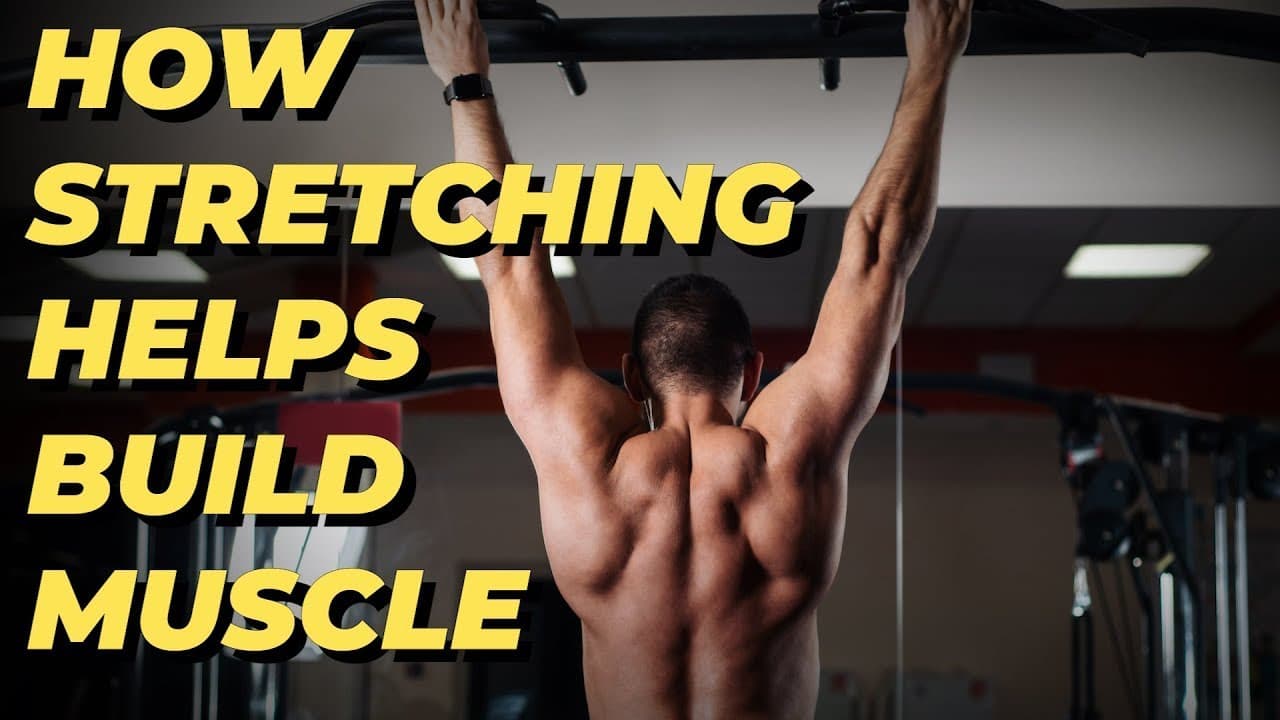
Stretching, when used properly, can significantly amplify muscle growth and enhance body sculpting. It aids in injury prevention by improving flexibility and range of motion, especially when integrated with strength training. Dynamic and active stretching are particularly effective for these purposes, while static stretching is best used post-workout or before bed.
Transcript
welcome back everybody uh here's the giveaway today matt's power lift you know this program has actually become one of the most popular ones it's a maps workout program specifically designed to help you become a better power lifter or to put differently get a better squat deadlift and bench press and it's free to when you lucky viewers here's what ... Read More
Key Insights
- Stretching, when applied correctly, can enhance muscle growth and body sculpting.
- Dynamic and active stretching are effective for injury prevention, not static stretching.
- Priming, a form of active stretching, activates muscles for better workout performance.
- Full range of motion exercises lead to better muscle gains than partial ones.
- Proper stretching can help address and improve lagging body parts.
- Intra-set stretching can maximize muscle pump during workouts.
- Active stretching can speed up muscle recovery by reducing soreness.
- Stretching provides immediate pain relief, though it may not address root causes.
Install to Summarize YouTube Videos and Get Transcripts
Explore YouTube Video Summarizer or Get YouTube Transcript Extractor
Questions & Answers
Q: How does stretching contribute to muscle growth?
Stretching contributes to muscle growth by enhancing flexibility and range of motion, which allows for deeper and more effective muscle contractions during workouts. This results in better muscle fiber recruitment and, consequently, more significant muscle gains. Dynamic and active stretching, in particular, prepare muscles for optimal performance and prevent injuries.
Q: What type of stretching is best for injury prevention?
Dynamic and active stretching are the most effective for injury prevention. These types of stretching involve movement-based stretches that prepare the muscles and joints for physical activity by increasing blood flow and improving flexibility. They help stabilize joints and enhance muscle activation, reducing the risk of injuries during workouts.
Q: Why is full range of motion important for muscle gains?
Full range of motion is crucial for muscle gains because it allows for more comprehensive muscle fiber recruitment and engagement. Exercises performed with a full range of motion lead to better muscle development compared to partial movements. They also improve flexibility and joint stability, which are essential for effective strength training and injury prevention.
Q: How can stretching help with lagging body parts?
Stretching can help improve lagging body parts by enhancing muscle activation and engagement during exercises. Priming, a form of active stretching, prepares specific muscles for workouts by increasing their responsiveness. This targeted approach allows for more effective training of weaker or less developed muscles, helping to bring them up to par with other body parts.
Q: What is intra-set stretching and how does it work?
Intra-set stretching is a technique used during workouts to maximize muscle pump and growth. It involves performing deep static stretches on the target muscle between sets, which enhances blood flow and muscle fiber recruitment. This technique creates a greater muscle pump and can stimulate additional muscle growth, making it a valuable tool for advanced lifters.
Q: How does active stretching aid in recovery?
Active stretching aids in recovery by reducing muscle soreness and promoting blood circulation to the affected areas. By gently moving muscles through their range of motion, active stretching helps alleviate stiffness and accelerates the removal of metabolic waste products. This process speeds up the recovery cycle, allowing for quicker return to training and improved overall performance.
Q: Can stretching relieve pain, and how?
Stretching can provide immediate pain relief by relaxing tense muscles and improving blood flow to the affected area. Although it may not address the root cause of chronic pain, stretching helps alleviate discomfort by reducing muscle tightness and promoting relaxation. For long-term relief, stretching should be combined with corrective exercises to address underlying issues.
Q: When is static stretching most beneficial?
Static stretching is most beneficial post-workout or before bed. After exercise, static stretching helps relax muscles, reduce tension, and improve flexibility. Before bed, it can aid in calming the central nervous system and promoting better sleep quality. However, static stretching should be avoided immediately before intense physical activity, as it may increase the risk of injury.
Summary & Key Takeaways
-
Stretching effectively enhances muscle growth and sculpting by improving flexibility and range of motion. It is crucial for injury prevention, particularly when dynamic and active stretching techniques are used. Static stretching, however, should be reserved for post-workout or bedtime routines.
-
Incorporating full range of motion exercises into workouts leads to superior muscle gains compared to partial movements. This approach also helps in bringing up lagging body parts by improving muscle activation and engagement during compound lifts.
-
Advanced techniques like intra-set stretching can significantly boost muscle pump, while active stretching aids in quicker recovery by reducing post-exercise soreness. Immediate pain relief is another benefit of stretching, though it may not solve underlying issues.
Read in Other Languages (beta)
Share This Summary 📚
Summarize YouTube Videos and Get Video Transcripts with 1-Click
Try YouTube Summary with ChatGPT & Claude or YouTube Transcript Generator
Explore More Summaries from Mind Pump Show 📚


Summarize YouTube Videos and Get Video Transcripts with 1-Click
Try YouTube Summary with ChatGPT & Claude or YouTube Transcript Generator