Vampire Bats Biting People | National Geographic
TL;DR
Vampire bats in Peru pose a rabies threat to humans due to increasing encounters and livestock connections.
Transcript
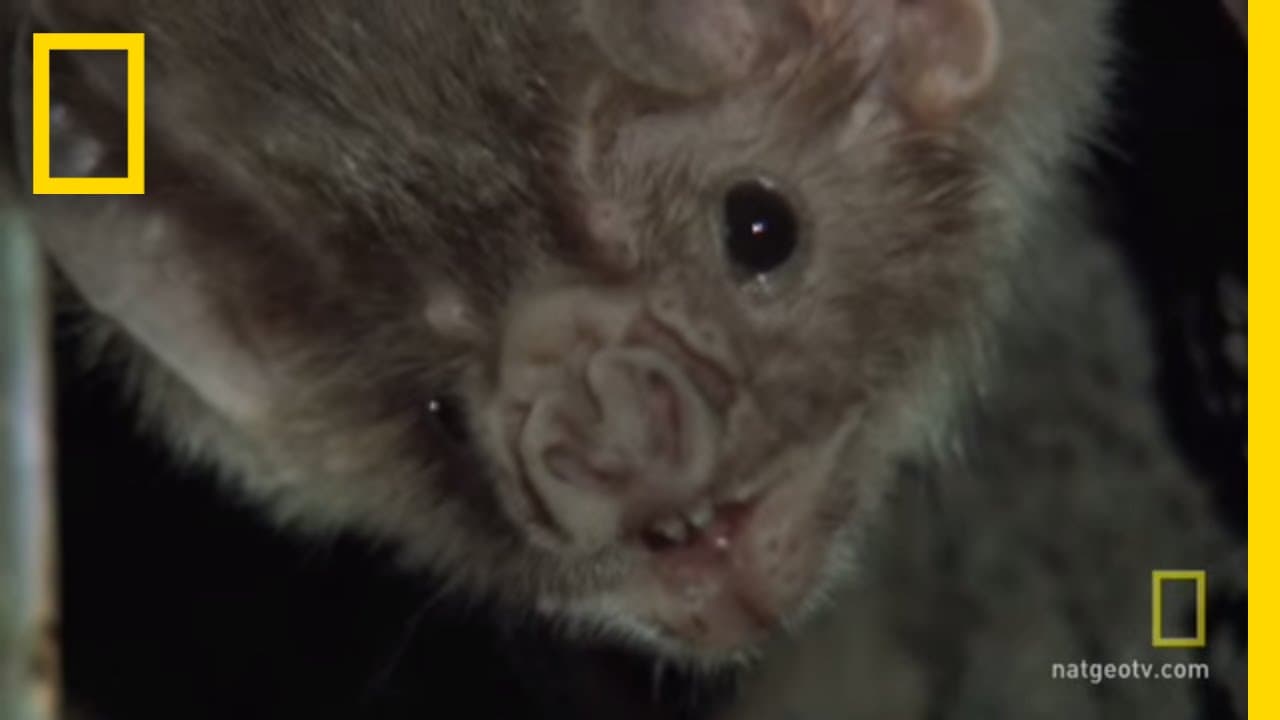
much like their mythical namesakes vampire bats must feast on fresh blood every two to three days or die of starvation they seek out warm-blooded mammals thriving off domestic livestock living in the tropical regions of South and Central America most victims never feel a thing and the bite itself is superficial but increasingly bats are targeting h... Read More
Key Insights
- 🥺 Livestock expansion in Peru leads to increased encounters between vampire bats and humans.
- 🧛 Rabies from vampire bats poses a unique threat with paralytic symptoms in victims.
- 👨🔬 Research by Daniel Stryker focuses on testing bat populations for rabies exposure.
- 👊 Livestock serve as a buffer against vampire bat attacks on humans in agricultural areas.
- ✋ Bat populations in deforested regions pose a higher risk of rabies transmission to humans.
- 🦻 Understanding rabies prevalence in vampire bats can aid in predicting vaccination needs for humans.
- 🧛 Strain differences in rabies from vampire bats contribute to varying symptoms and threats.
Install to Summarize YouTube Videos and Get Transcripts
Explore YouTube Video Summarizer or Get YouTube Transcript Extractor
Questions & Answers
Q: Why are vampire bats in Peru increasingly targeting humans?
Vampire bats in Peru are targeting humans more as livestock populations increase, providing a larger food source for the bats. Livestock act as a buffer, reducing attacks on humans.
Q: What are the symptoms of rabies from vampire bats?
Rabies from vampire bats can cause a paralytic or dumb form of the disease, leading to disorientation, muscle weakness, and eventual death in humans.
Q: How does Daniel Stryker's research help understand the rabies threat from vampire bats?
Stryker's research involves testing bat populations for rabies exposure, identifying infection rates in agricultural areas, and studying potential outbreaks in the future.
Q: What factors contribute to the higher risk of rabies in the Peruvian Amazon rainforest?
Deforestation and wildlife reduction in the Amazon rainforest lead vampire bats to target humans more frequently due to limited livestock, increasing the risk of rabies transmission.
Summary & Key Takeaways
-
Vampire bats in Peru target humans as rabies outbreaks increase, blamed on contact with livestock.
-
Daniel Stryker's research focuses on environmental factors and disease extent in vampire bats.
-
Rabies from vampire bats poses a deadly threat, requiring research for potential control and vaccination efforts.
Read in Other Languages (beta)
Share This Summary 📚
Summarize YouTube Videos and Get Video Transcripts with 1-Click
Try YouTube Summary with ChatGPT & Claude or YouTube Transcript Generator
Explore More Summaries from National Geographic 📚



Summarize YouTube Videos and Get Video Transcripts with 1-Click
Try YouTube Summary with ChatGPT & Claude or YouTube Transcript Generator