What Is the New Vision for Combating Climate Change?
TL;DR
The new vision for combating climate change emphasizes exponential technological progress and the need for a just transition to renewable energy. Experts argue that significant advancements in solar, wind, and electric vehicles can accelerate progress towards sustainability, while also ensuring equity in energy access for all communities. Achieving these climate goals can create a cleaner, more prosperous future for billions worldwide.
Transcript
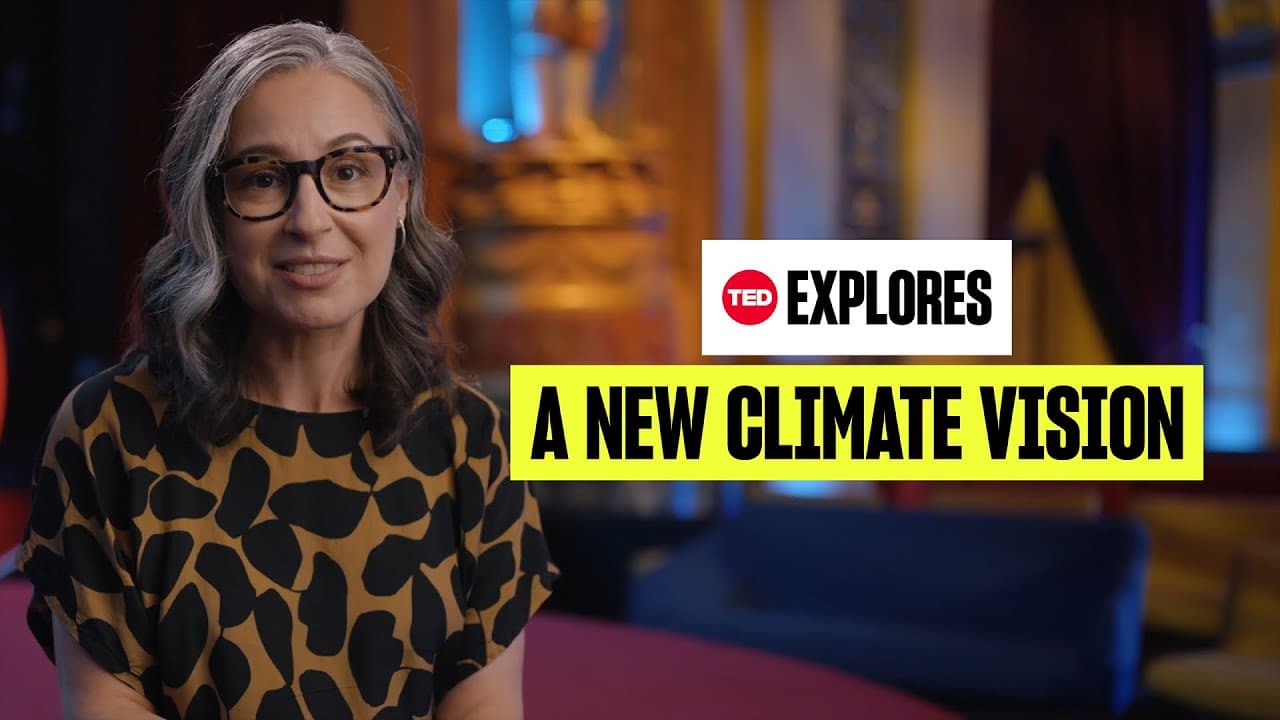
Christiana Figueres: There's no doubt that we are facing exponential impacts of climate change. There is also, however, no doubt that that is being met with exponential progress of the technologies that can help to address climate change. So what we have here is, frankly, a race between two exponential curves. By 2030, we collectively will have cho... Read More
Key Insights
- 🌍 Climate change is a serious issue, but there is exponential progress in the technologies that can help address it, creating a race between two exponential curves.
- 😕 It is important to address climate change with a sense of urgency and not be overly pessimistic, but also not be complacent or defeatist.
- 🔋 Transitioning to an all-electric future is crucial for a sustainable and resilient society.
- 💰 Financial security and climate resilience should be top priorities.
- 🔍 Awareness and attention to the issue of climate change is crucial, and those who aren't concerned may not be paying enough attention.
- 🌊 The tide of change is coming, with falling costs and increasing political pressure for sustainable solutions.
- 💪 We can build a thriving and exciting world, but it requires collective effort and a focus on potential.
- 👥 Collaborative efforts, innovation, and investment are key to achieving a just and equitable energy transition and addressing climate change.
Install to Summarize YouTube Videos and Get Transcripts
Explore YouTube Video Summarizer or Get YouTube Transcript Extractor
Questions & Answers
Q: Question 1: What is the potential of renewable energy in transforming our current energy systems?
Answer 1: Renewable energy has the potential to revolutionize our current energy systems. Solar, wind, and other renewable sources are becoming increasingly affordable and accessible. In fact, solar energy is now the cheapest form of energy production in many countries. Additionally, advancements in technology and innovation continue to drive down the cost and increase the efficiency of renewable energy sources. By transitioning to renewable energy, we can significantly reduce greenhouse gas emissions and combat climate change while also creating sustainable and resilient energy systems for the future.
Question 2: How can the agricultural sector contribute to addressing climate change?
Answer 2: The agricultural sector plays a crucial role in addressing climate change. By adopting sustainable and regenerative farming practices, farmers can contribute to reducing greenhouse gas emissions, conserving water, protecting biodiversity, and promoting soil health. Practices such as organic farming, agroforestry, and precision agriculture can help reduce the environmental impact of agricultural activities while ensuring food security. Furthermore, sustainable agricultural practices can enhance soil carbon sequestration, which can effectively mitigate climate change by removing carbon dioxide from the atmosphere and storing it in the soil.
Question 3: How can communities and cities become more resilient to the impacts of climate change?
Answer 3: Building resilient communities and cities involves various measures, including enhancing infrastructure, implementing climate adaptation strategies, and fostering community engagement. Cities can invest in green infrastructure, such as parks, urban forests, and water management systems, to mitigate the impacts of extreme weather events, reduce urban heat island effect, and improve overall livability. Local governments can create climate action plans that involve community members and address the specific vulnerabilities of their region. Community resilience also includes ensuring equitable access to resources, such as clean energy, affordable housing, and reliable public transportation, to ensure that all residents can thrive in the face of climate change.
Question 4: How can individuals contribute to addressing climate change?
Answer 4: Individuals can make a significant impact in addressing climate change through their daily choices and actions. Some ways individuals can contribute include reducing energy consumption by using energy-efficient appliances, turning off lights when not in use, and using public transportation or biking instead of driving. Individuals can also support renewable energy by installing solar panels or purchasing green energy from utility providers. Making sustainable food choices, such as consuming a plant-based diet or supporting local and organic farmers, can also reduce the carbon footprint. Additionally, individuals can engage in advocacy, supporting policies and organizations that promote climate action and raising awareness about the importance of addressing climate change.
Summary & Key Takeaways
-
Achieving climate goals would result in a world with clean, cheap energy for all and improved economic prospects for billions of people.
-
The future would involve significant advancements in renewable energy technologies, such as solar, wind, and electric vehicles.
-
Agriculture would undergo a revolution to meet the growing population's food needs while protecting the environment and reducing emissions.
Read in Other Languages (beta)
Share This Summary 📚
Summarize YouTube Videos and Get Video Transcripts with 1-Click
Try YouTube Summary with ChatGPT & Claude or YouTube Transcript Generator
Explore More Summaries from TED 📚






Summarize YouTube Videos and Get Video Transcripts with 1-Click
Try YouTube Summary with ChatGPT & Claude or YouTube Transcript Generator