What Is Fake News?
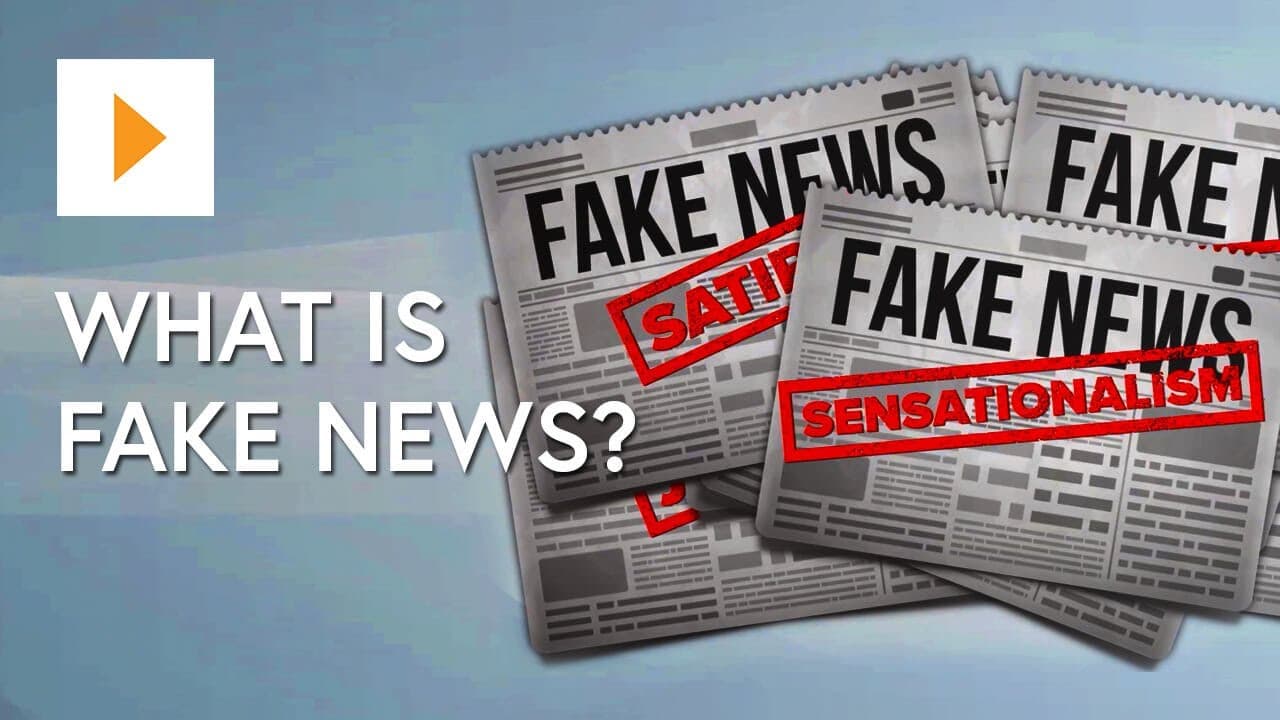
TL;DR
Fake news is a broad term that encompasses various types of misleading or untrue information spread through different media platforms, and its prevalence poses a threat to democracy.
Transcript
we've all heard the term fake news it's used to describe a lot of different things but what actually is fake news and why is everyone talking about it you are fake news the idea that we we have to say things like uh fact-based journalism or fact-check journalism um is unfortunate but we do live in an era where um we've seen the growth of a lot of r... Read More
Key Insights
- 💁 The term "fake news" is poorly defined and encompasses various types of misleading information.
- 📰 Fake news is more widely shared than real news and has been used as a tool for malicious intent, such as interfering with democratic processes.
- 💁 The evolution of news consumption and the proliferation of online platforms make it challenging to determine the credibility of information.
- 😌 Fake news can range from complete lies to misleading narratives and is often strategically designed to attract attention and clicks.
- 💁 Propaganda, sensationalism, and satire are common forms of fake news that manipulate perceptions and beliefs.
- 🖐️ Social media plays a significant role in the spread of fake news, with computer-generated accounts contributing to its dissemination.
- 🤔 Fact-checking and critical thinking skills are essential for distinguishing between fake news and accurate information.
Install to Summarize YouTube Videos and Get Transcripts
Explore YouTube Video Summarizer or Get YouTube Transcript Extractor
Questions & Answers
Q: What is fake news?
Fake news refers to various types of misleading information, including hoaxes, scams, click bait, jokes, propaganda, and sensationalism. It can range from completely false stories to partially true but misleading narratives.
Q: Why is fake news a danger to democracy?
Fake news undermines the democratic process by distorting public opinion and spreading false information. It can manipulate people's beliefs and influence their voting decisions, potentially impacting the outcome of elections.
Q: How does fake news spread?
Fake news is widely shared through social networks, often by real individuals who believe the information is true. It can also be spread by computer programs called chat bots, which mimic real people and share false information to reach a larger audience.
Q: How can we differentiate between fake news and real news?
To identify fake news, it is crucial to check basic information and stay vigilant for signs that the news may be misleading. Fact-checking, verifying sources, and cross-referencing information are effective ways to combat the spread of fake news.
Key Insights:
- The term "fake news" is poorly defined and encompasses various types of misleading information.
- Fake news is more widely shared than real news and has been used as a tool for malicious intent, such as interfering with democratic processes.
- The evolution of news consumption and the proliferation of online platforms make it challenging to determine the credibility of information.
- Fake news can range from complete lies to misleading narratives and is often strategically designed to attract attention and clicks.
- Propaganda, sensationalism, and satire are common forms of fake news that manipulate perceptions and beliefs.
- Social media plays a significant role in the spread of fake news, with computer-generated accounts contributing to its dissemination.
- Fact-checking and critical thinking skills are essential for distinguishing between fake news and accurate information.
- Combating fake news requires individual responsibility, media literacy, and efforts to promote reliable journalism.
Summary & Key Takeaways
-
Fake news encompasses different types of misleading information, such as hoaxes, scams, click bait, jokes, propaganda, and sensationalism.
-
The rise of fake news has resulted in the spreading of false information, crowding out real news and impacting democratic processes.
-
Due to the changing landscape of news consumption, it has become difficult to determine the credibility and source of information, making it easier for fake news to circulate.
Read in Other Languages (beta)
Share This Summary 📚
Summarize YouTube Videos and Get Video Transcripts with 1-Click
Try YouTube Summary with ChatGPT & Claude or YouTube Transcript Generator
Explore More Summaries from ClickView 📚

Summarize YouTube Videos and Get Video Transcripts with 1-Click
Try YouTube Summary with ChatGPT & Claude or YouTube Transcript Generator