Signs of a Toxic Friend | Buddhist Philosophy
TL;DR
Learn how Buddha's teachings identify toxic friends & advise on wholesome friendships.
Transcript
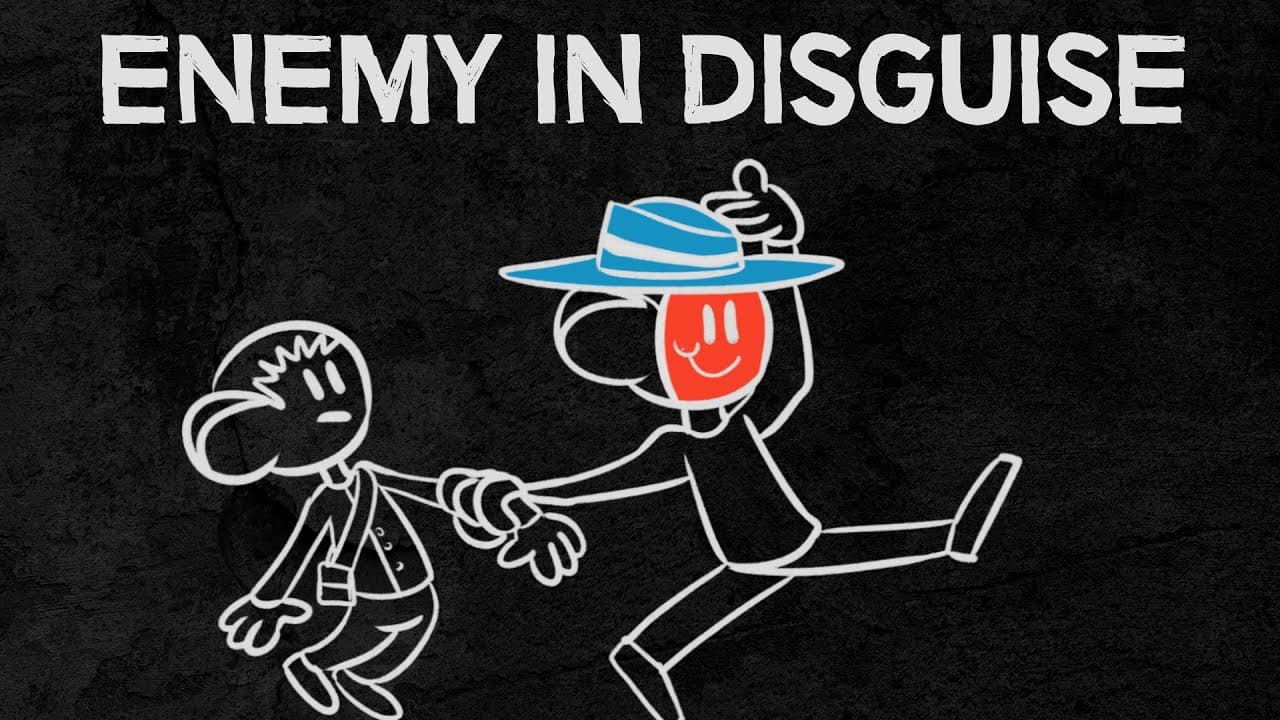
At some point in our lives, we begin to question our friendships. Some friendships have stood the test of time and can still be considered sources of mutual enjoyment and growth. But other friends do not seem to add any value to our lives. Or worse: they’re downright destructive. The latter category is often referred to as ‘toxic friends.’ But whet... Read More
Key Insights
- ❓ Toxic friends, like the taker, talker, flatterer, and reckless companion, exhibit harmful behaviors that negatively impact our well-being.
- 🆘 Recognizing toxic traits in friends can help us avoid destructive influences and prioritize relationships that nurture growth and positivity.
- 👋 The concept of good-hearted friends, defined by support, endurance, mentorship, and compassion, emphasizes the importance of surrounding ourselves with positive influences.
Install to Summarize YouTube Videos and Get Transcripts
Explore YouTube Video Summarizer or Get YouTube Transcript Extractor
Questions & Answers
Q: How does Buddha define toxic friendships?
Buddha identifies toxic friends as individuals who exhibit behaviors like taking without giving, manipulating through words, insincere flattery, and engaging in reckless behaviors that harm themselves and others.
Q: Why is it essential to recognize toxic friends?
Recognizing toxic friends allows us to protect our well-being, avoid negative influences, and maintain balanced relationships that foster growth and positivity in our lives.
Q: How can we differentiate between toxic and wholesome friendships?
Toxic friendships are characterized by selfish motives, manipulation, insincerity, and harmful behaviors, while wholesome friendships involve support, endurance, mentorship, and compassion that uplift and nurture each other.
Q: What qualities should we seek in good-hearted friends?
Good-hearted friends embody qualities such as protection, support through thick and thin, guidance towards goodness, and sincere delight in each other's well-being, creating a positive and uplifting environment.
Summary & Key Takeaways
-
Toxic friends, according to Buddha, display behaviors like taking without giving, manipulating through talk, flattering insincerely, and indulging in reckless behaviors.
-
Identifying toxic friends through their actions can help us avoid negative influences and maintain balanced relationships.
-
Embracing good-hearted friends who support, endure, mentor, and show compassion can lead to positive growth and well-being.
Read in Other Languages (beta)
Share This Summary 📚
Summarize YouTube Videos and Get Video Transcripts with 1-Click
Try YouTube Summary with ChatGPT & Claude or YouTube Transcript Generator
Explore More Summaries from Einzelgänger 📚






Summarize YouTube Videos and Get Video Transcripts with 1-Click
Try YouTube Summary with ChatGPT & Claude or YouTube Transcript Generator