Como fazer um pendurador de bicicletas de PVC
TL;DR
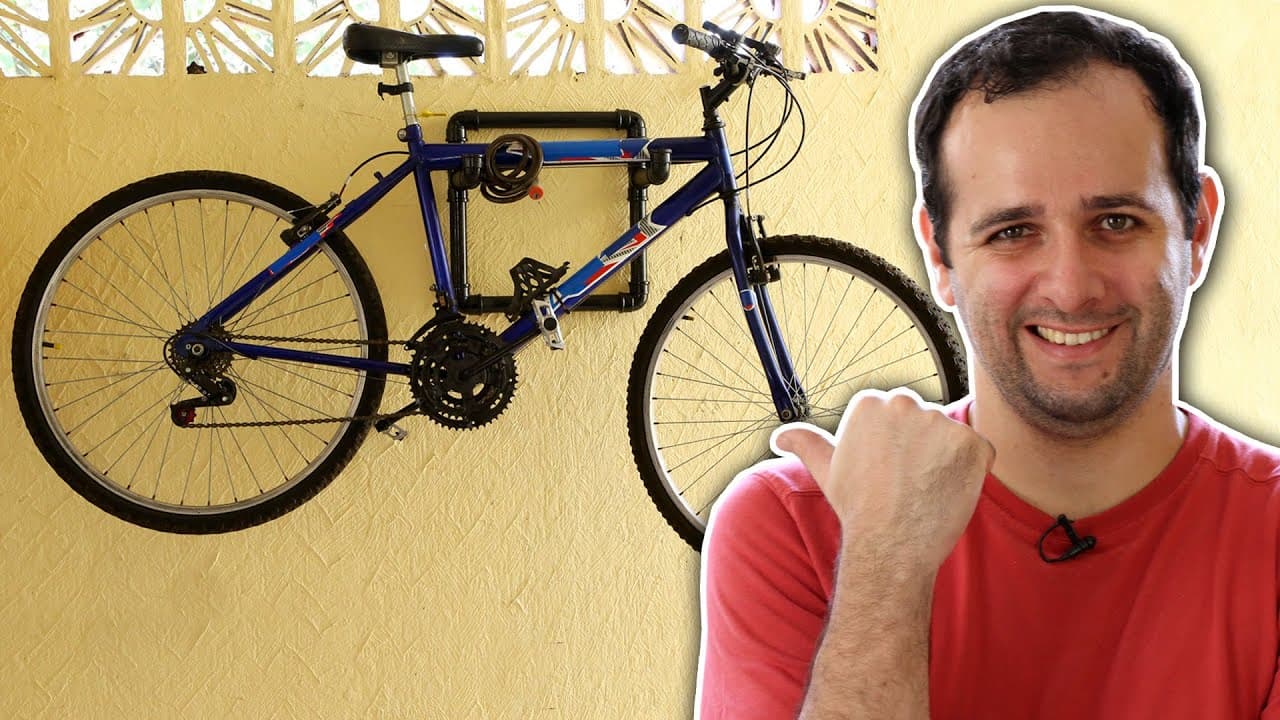
Learn to make a PVC bike hanger for small spaces.
Transcript
As you know, the time is coming for a mega sports event at Rio de Janeiro, and some of my favorite sports to watch are the ones with bicycles, BMX, mountain bike, road race. When I was a kid I used to ride my bike a lot. But here in Sao Paulo, we have a little problem: we have no place to store our bikes. So, thinking about those people who li... Read More
Key Insights
- The video addresses the challenge of storing bicycles in small urban living spaces, offering a practical DIY solution using PVC pipes.
- The project requires basic materials: PVC pipes, tees, elbows, anchors, screws, glue, and sandpaper, highlighting its cost-effectiveness and accessibility.
- Precise measurements are crucial for the bike hanger's functionality, ensuring that the hanger is neither too close nor too far from the wall.
- The design involves creating a rectangular frame with hooks to hold the bike securely, emphasizing the importance of structural stability.
- The video provides a step-by-step guide to cutting, sanding, and assembling the PVC components, making it accessible for DIY enthusiasts.
- Aesthetic considerations are discussed, such as painting the hanger to improve its appearance and prevent paint peeling, demonstrating attention to detail.
- The video encourages creativity and problem-solving, inspiring viewers to adapt the project to their specific needs and preferences.
- The project is part of a larger initiative, 'All of Brazil Plays,' promoting sports and DIY solutions, showcasing community engagement and collaboration.
Install to Summarize YouTube Videos and Get Transcripts
Explore YouTube Video Summarizer or Get YouTube Transcript Extractor
Questions & Answers
Q: What materials are needed to create the PVC bike hanger?
To create the PVC bike hanger, you need a 32mm diameter PVC pipe, two 1-inch PVC tees, six 1-inch PVC elbows, two 8-mm anchors, two screws, PVC glue, and sandpaper. These materials are cost-effective and readily available at most hardware stores, making the project accessible to many DIY enthusiasts.
Q: Why is it important to take precise measurements for the bike hanger?
Precise measurements are crucial for ensuring that the bike hanger functions correctly. The hanger must be close enough to the wall to provide stability but not so close that it hinders hanging the bike. Accurate measurements also ensure that the rectangular frame and hooks are properly aligned, providing a secure hold for the bike.
Q: How does the video suggest improving the appearance of the PVC bike hanger?
The video suggests sanding the PVC surfaces thoroughly before painting to ensure the paint adheres well and doesn't peel off. Painting the hanger not only improves its appearance by covering the unattractive brown PVC color but also provides an additional layer of protection. Using finer sandpaper can prevent scratches and enhance the overall finish.
Q: What is the significance of the 'All of Brazil Plays' project mentioned in the video?
The 'All of Brazil Plays' project is an initiative that promotes sports and DIY solutions, encouraging community engagement and creativity. By including the bike hanger project in this initiative, the video highlights the importance of finding practical solutions to everyday problems while fostering a sense of collaboration and innovation among viewers.
Q: Why are different lengths used for the hooks in the bike hanger?
Different lengths are used for the hooks to accommodate the varying weight distribution of a bike. The rear of the bike is heavier, so a shorter, stronger hook of 16 cm is used to provide better support. The front hook is longer at 19 cm to balance the bike's position, ensuring both stability and ease of use.
Q: What are the steps involved in assembling the PVC bike hanger?
The assembly involves cutting the PVC pipes to the required lengths, sanding the edges, and gluing the components together. The rectangular frame is constructed using elbows and tees, and hooks are added to hold the bike. Finally, the hanger is painted and attached to the wall using screws and anchors, ensuring it is securely mounted.
Q: How is the bike hanger attached to the wall?
The bike hanger is attached to the wall by drilling holes in the elbows of the rectangular frame. A larger hole is drilled on one side to accommodate the screw head, while a smaller hole on the opposite side allows the screw to secure the hanger to the wall. This method ensures a strong and stable attachment.
Q: What considerations are discussed regarding the orientation of the bike on the hanger?
The video emphasizes deciding the bike's orientation before adding the hooks, as once attached, the orientation cannot be changed. This decision impacts the hanger's effectiveness and the bike's stability. The orientation should consider the bike's weight distribution and the available space, ensuring the hanger meets the user's specific needs.
Summary & Key Takeaways
-
The video provides a detailed guide to creating a bike hanger from PVC pipes, ideal for small urban spaces. It covers materials needed, precise measurements, and assembly instructions, ensuring a secure and functional design.
-
Emphasizing cost-effectiveness, the project uses readily available materials like PVC pipes, tees, and elbows. The video highlights the importance of precise measurements and structural stability for optimal performance.
-
Aesthetic considerations such as painting and sanding are discussed to enhance the hangar's appearance. The project is part of the 'All of Brazil Plays' initiative, promoting sports and community engagement.
Read in Other Languages (beta)
Share This Summary 📚
Summarize YouTube Videos and Get Video Transcripts with 1-Click
Try YouTube Summary with ChatGPT & Claude or YouTube Transcript Generator
Explore More Summaries from Manual do Mundo 📚


Summarize YouTube Videos and Get Video Transcripts with 1-Click
Try YouTube Summary with ChatGPT & Claude or YouTube Transcript Generator