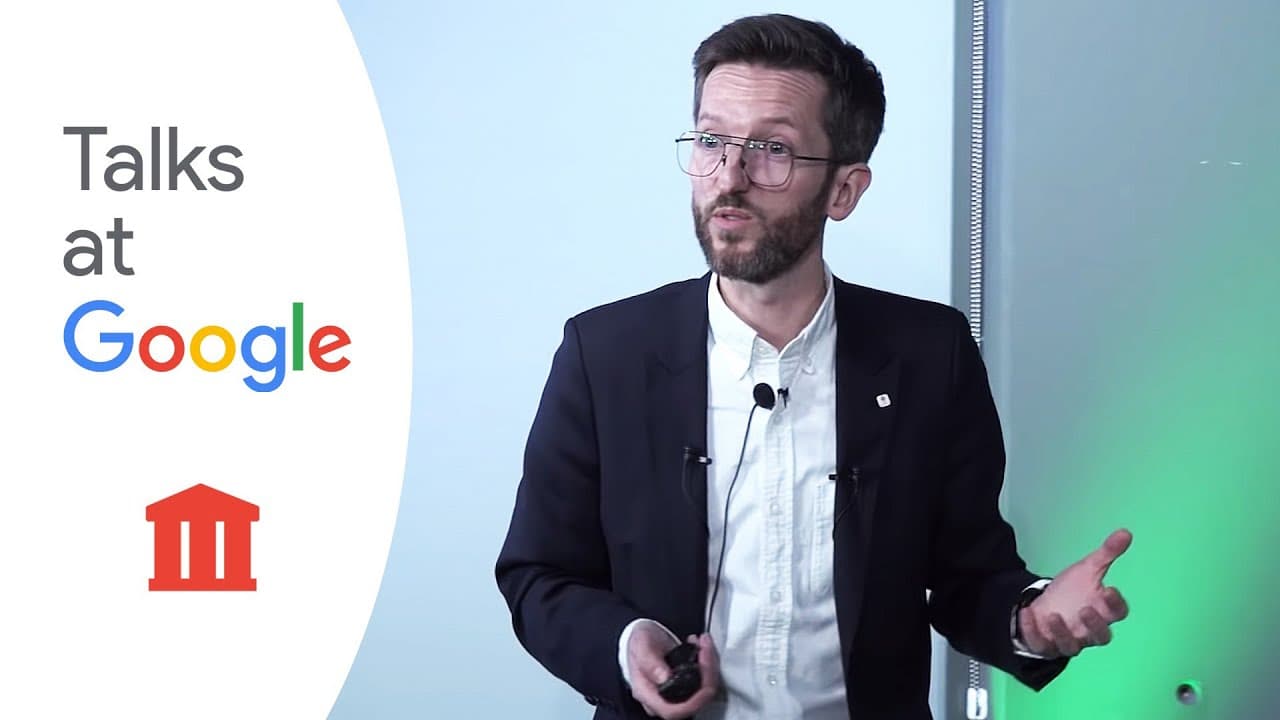
New Technologies of Warfare: A Humanitarian Approach | Neil Davison | Talks at Google
TL;DR
Discussion on the importance of human control over autonomous weapons in conflict situations, highlighting the need for ethical considerations.
Transcript
[MUSIC PLAYING] NEIL DAVIDSON: Thanks again for the invitation. Yeah, the invitation, it came through our communications department back in April. And obviously, it's a time of intense debates within and outside Google about the military application of AI. And since then, there've been some significant developments-- obviously, from your side, Goog... Read More
Key Insights
- 🎮 The ICRC plays a vital role in protecting victims of armed conflict and advocating for the retention of human control over weapons and decisions of the use of force.
- 🤨 Autonomous weapons raise ethical dilemmas and the need for clear definitions of human control to ensure compliance with humanitarian law.
- 🔫 Technological advancements in AI and machine learning have implications for the development of weapons systems and require ongoing evaluation of their impact in conflict situations.
Install to Summarize YouTube Videos and Get Transcripts
Explore YouTube Video Summarizer or Get YouTube Transcript Extractor
Questions & Answers
Q: What is the role of the ICRC in armed conflict situations?
The ICRC is a neutral, independent humanitarian organization that works to assist and protect victims of armed conflict, including civilians and combatants. They focus on protection, assistance, and prevention efforts in conflict zones.
Q: Why is it essential to retain human control over autonomous weapons in warfare?
Human control is crucial to ensure compliance with the rules of war, make ethical decisions about the use of force, and uphold humanitarian values. Autonomous weapons lack the ability to make nuanced judgments required in conflict situations.
Q: How do new technologies, such as AI and machine learning, impact the development of weapons systems?
New technologies are changing the landscape of warfare, with militaries investing in robotic systems with varying levels of autonomy. The ICRC emphasizes the need for transparency and understanding the limitations of these technologies to prevent unintended consequences in conflict zones.
Q: What is the central concern regarding the use of autonomous weapons in armed conflict?
The unpredictability of autonomous weapons poses a significant challenge, as machines lack the ability to make contextual judgments required in complex conflict environments. Human involvement is crucial to ensure decisions align with legal and ethical standards.
Summary & Key Takeaways
-
Neil Davidson discusses the role of the International Committee of the Red Cross (ICRC) in protecting victims of armed conflict and the need to retain human control over weapons and decisions of the use of force.
-
The ICRC works in conflict zones to protect civilians, provide assistance, and engage in prevention efforts related to the rules of war and humanitarian law.
-
The discussion focuses on the implications of autonomous weapons, the importance of human involvement in targeting decisions, and the role of technology developers in ensuring ethical use of AI in warfare.
Read in Other Languages (beta)
Share This Summary 📚
Summarize YouTube Videos and Get Video Transcripts with 1-Click
Try YouTube Summary with ChatGPT & Claude or YouTube Transcript Generator
Explore More Summaries from Talks at Google 📚

Summarize YouTube Videos and Get Video Transcripts with 1-Click
Try YouTube Summary with ChatGPT & Claude or YouTube Transcript Generator