Our lonely society makes it hard to come home from war | Sebastian Junger
TL;DR
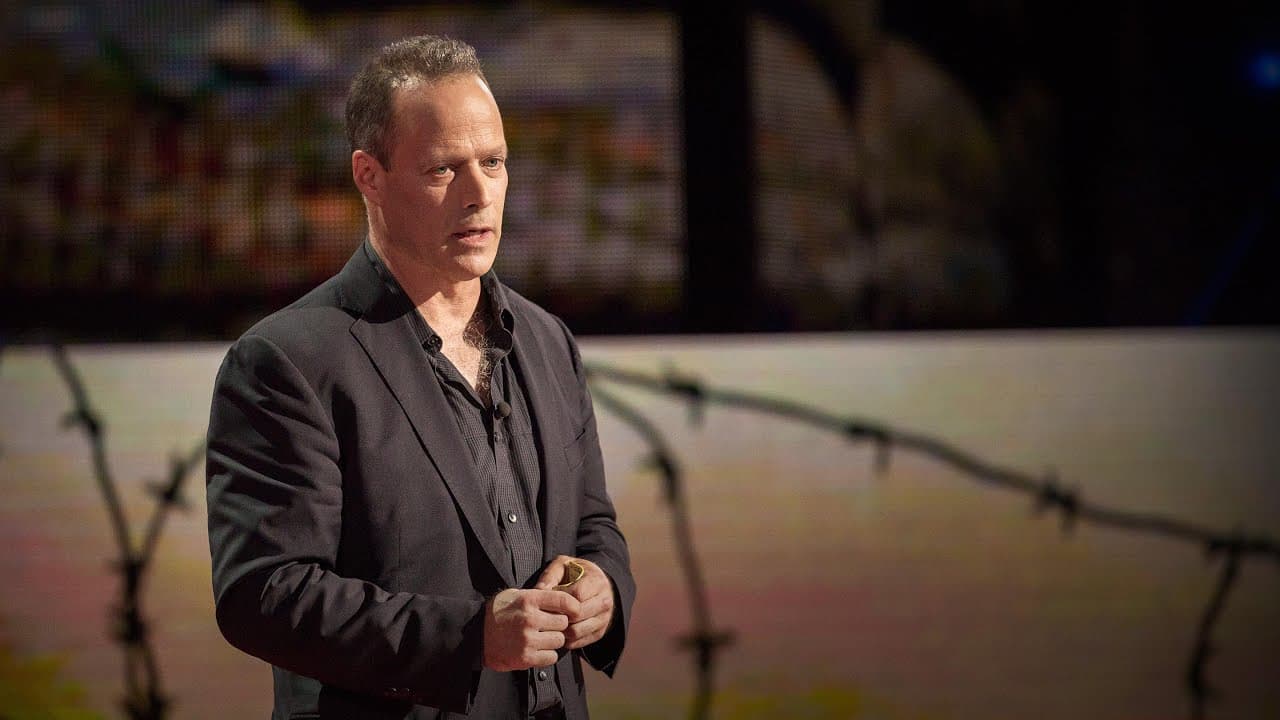
This content explores the connection between war, trauma, and the impact of society on veterans suffering from Post-Traumatic Stress Disorder (PTSD).
Transcript
I worked as a war reporter for 15 years before I realized that I really had a problem. There was something really wrong with me. This was about a year before 9/11, and America wasn't at war yet. We weren't talking about PTSD. We were not yet talking about the effect of trauma and war on the human psyche. I'd been in Afghanistan for a couple of mont... Read More
Key Insights
- 🤔 The speaker, a former war reporter, experienced short-term PTSD after returning home from Afghanistan.
- 💡 Approximately 20% of individuals who experience trauma develop chronic, long-term PTSD, with factors like childhood abuse and low education levels increasing vulnerability.
- 📉 Disability rates among veterans have increased despite a decrease in combat intensity and casualty rates over time.
- 😢 Depression, anxiety, and suicide rates are higher in modern society compared to poorer, agrarian societies.
- ♂️ Around 40% of veterans experience alienation and depression upon returning home, possibly due to transitioning from a close-knit military unit to an individualistic society.
- 🤝 Societies that foster a sense of community, like the Israeli military and post-9/11 United States, have lower rates of PTSD and mental health issues.
- 🌍 Traumatizing the entire society can lead to unity, decreasing psychiatric admissions during times of crisis.
- 🇺🇸 The current divisive state of American society, including political polarization and socioeconomic inequality, contributes to the challenges faced by returning veterans.
Install to Summarize YouTube Videos and Get Transcripts
Explore YouTube Video Summarizer or Get YouTube Transcript Extractor
Questions & Answers
Q: What is the speaker's personal experience with PTSD?
The speaker worked as a war reporter for 15 years before realizing that he had a problem. He experienced a panic attack in the subway after returning from Afghanistan, and later found out that he had short-term PTSD.
Q: What is the difference between short-term PTSD and long-term PTSD?
Short-term PTSD is the body's natural response to danger and trauma, where most people recover within a few weeks or months. However, around 20% of individuals develop chronic, long-term PTSD, which can negatively impact their daily lives if they don't seek help.
Q: What factors contribute to the vulnerability of developing long-term PTSD?
People who were abused or experienced trauma as children, have low education levels, or have a family history of psychiatric disorders are more susceptible to long-term PTSD. Additionally, serving in a war alongside having a family member with schizophrenia increases the likelihood of developing long-term PTSD.
Q: How does modern society impact mental health?
Modern society is known to be hard on the human psyche and has been linked to higher rates of suicide, depression, anxiety, loneliness, and child abuse. Wealthier societies have higher suicide rates, and individuals living in modern societies are up to eight times more likely to experience depression in their lifetime compared to those in poorer, agrarian societies.
Q: How does the theory of "post-deployment alienation disorder" explain the struggles of a portion of veterans?
The theory suggests that some veterans may not be solely experiencing trauma-related PTSD but rather a sense of alienation upon returning to a society that is alienating for everyone. By changing the understanding and language around their struggles, it may help them better identify and address their feelings of alienation, potentially reducing the risk of suicide.
Q: How does unity and tribalization in society affect mental health?
When societies face traumatic events, the act of unifying and tribalizing can have positive effects on mental health. During the blitz in London or after 9/11, rates of violent crime, suicide, and psychiatric admissions decreased because people came together and supported each other. However, the speaker highlights that the current bitter division and societal issues in America make it difficult for veterans to reintegrate, leading to depression and fear.
Q: What is the speaker's proposed solution for supporting veterans?
The speaker suggests that instead of focusing solely on saving the veterans, the real question should be whether society can save itself. By uniting and addressing the deep divisions and societal issues, it would provide a supportive environment for veterans who fought to protect the country.
Summary & Key Takeaways
-
The speaker worked as a war reporter and experienced post-traumatic stress disorder (PTSD) after returning from Afghanistan.
-
The speaker discusses the increasing disability rates among veterans compared to decreasing casualty rates in wars.
-
The speaker suggests that the problem may not be trauma itself, but the alienation and lack of cohesive community in modern society that exacerbates mental health issues for veterans.
Read in Other Languages (beta)
Share This Summary 📚
Summarize YouTube Videos and Get Video Transcripts with 1-Click
Try YouTube Summary with ChatGPT & Claude or YouTube Transcript Generator
Explore More Summaries from TED 📚



Summarize YouTube Videos and Get Video Transcripts with 1-Click
Try YouTube Summary with ChatGPT & Claude or YouTube Transcript Generator