Most SHOCKING Facts About Plastic!
TL;DR
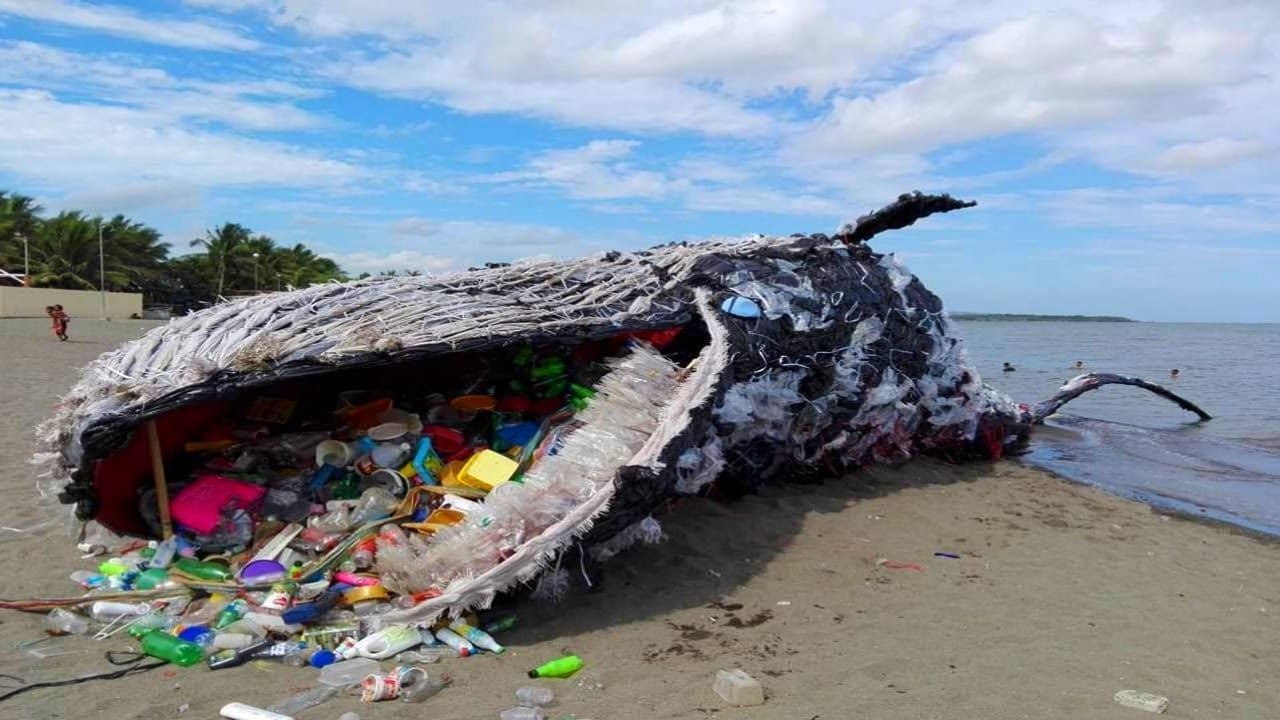
Plastic waste is polluting the oceans at an alarming rate, posing a grave threat to marine life, ecosystems, and the planet.
Transcript
From plastic getting stuck in sharks stomachs to an entire continent made of plastic waste, here are 5 things about plastic you really need to know!! 5. Plastic and the Ocean Plastics are an everyday part of our life, that's just fact. However, once you throw away that water bottle, or that plastic fork, you forget about it. Every 8 seconds, a bag ... Read More
Key Insights
- 😣 Plastic pollution in the oceans is a severe environmental crisis, with plastic waste comprising a majority of litter, threatening marine life and ecosystems.
- ♻️ Lack of mandatory recycling laws and inadequate public awareness contribute to the insufficient recycling rates of plastics worldwide.
- 😋 Plastic rings, one-time use plastics, and excess wrapping exacerbate the threat to wildlife, requiring individuals to be mindful of their plastic consumption.
- ⏯️ By recycling, reusing, and reducing single-use plastics, individuals can play a vital role in mitigating plastic pollution and safeguarding the environment.
- 🎁 The Great Pacific Garbage Patch, a massive accumulation of plastic waste, presents a significant challenge to clean-up efforts due to its size, sunk plastics, and the difficulty of capturing microplastics.
- 🧑⚕️ International efforts by individuals, health organizations, and some companies are aimed at solving the plastic pollution problem, but it requires significant time and resources.
Install to Summarize YouTube Videos and Get Transcripts
Explore YouTube Video Summarizer or Get YouTube Transcript Extractor
Questions & Answers
Q: How much plastic waste is dumped into the oceans each year?
Approximately 8 million tons of plastic garbage find their way into the oceans annually, leading to a significant pollution problem.
Q: What are the consequences of plastic pollution on marine life?
Plastic waste poses numerous threats to marine life, including suffocation, entanglement, and ingestion, leading to death. Sea turtles, whales, fish, and birds are particularly vulnerable to plastic consumption.
Q: What can individuals do to combat plastic pollution?
Individuals can make a difference by recycling plastics, reusing plastic items, reducing single-use plastics, using alternative products, and participating in clean-up activities in parks, beaches, and other areas.
Q: Why is it challenging to clean up the Great Pacific Garbage Patch?
The Great Pacific Garbage Patch, a vast accumulation of plastic waste in the Pacific Ocean, poses significant challenges for clean-up. The patch consists of different-sized plastics, including microplastics, which are difficult to capture with traditional methods. Besides, the enormous scale and cost of removal make the process complicated.
Key Insights:
- Plastic pollution in the oceans is a severe environmental crisis, with plastic waste comprising a majority of litter, threatening marine life and ecosystems.
- Lack of mandatory recycling laws and inadequate public awareness contribute to the insufficient recycling rates of plastics worldwide.
- Plastic rings, one-time use plastics, and excess wrapping exacerbate the threat to wildlife, requiring individuals to be mindful of their plastic consumption.
- By recycling, reusing, and reducing single-use plastics, individuals can play a vital role in mitigating plastic pollution and safeguarding the environment.
- The Great Pacific Garbage Patch, a massive accumulation of plastic waste, presents a significant challenge to clean-up efforts due to its size, sunk plastics, and the difficulty of capturing microplastics.
- International efforts by individuals, health organizations, and some companies are aimed at solving the plastic pollution problem, but it requires significant time and resources.
- Plastic pollution is an urgent issue that demands collective responsibility, education, and action to preserve marine habitats and protect the planet.
Summary & Key Takeaways
-
Plastics are extensively thrown into the oceans, with an estimated 8 million tons of garbage dumped annually, resulting in the composition of 60-90% of litter in the oceans being plastic.
-
The accumulation of plastic waste is expected to increase tenfold in a decade and could potentially surpass the number of marine animals by 2050.
-
Plastics harm wildlife and ecosystems, causing suffocation, entanglement, and death among sea creatures. It disrupts the balance of ecosystems and can contaminate the food chain.
Read in Other Languages (beta)
Share This Summary 📚
Summarize YouTube Videos and Get Video Transcripts with 1-Click
Try YouTube Summary with ChatGPT & Claude or YouTube Transcript Generator
Explore More Summaries from Origins Explained 📚



Summarize YouTube Videos and Get Video Transcripts with 1-Click
Try YouTube Summary with ChatGPT & Claude or YouTube Transcript Generator