NASA Administrator Charles Bolden on 50th Anniversary of the Civil Rights Act of 1964
TL;DR
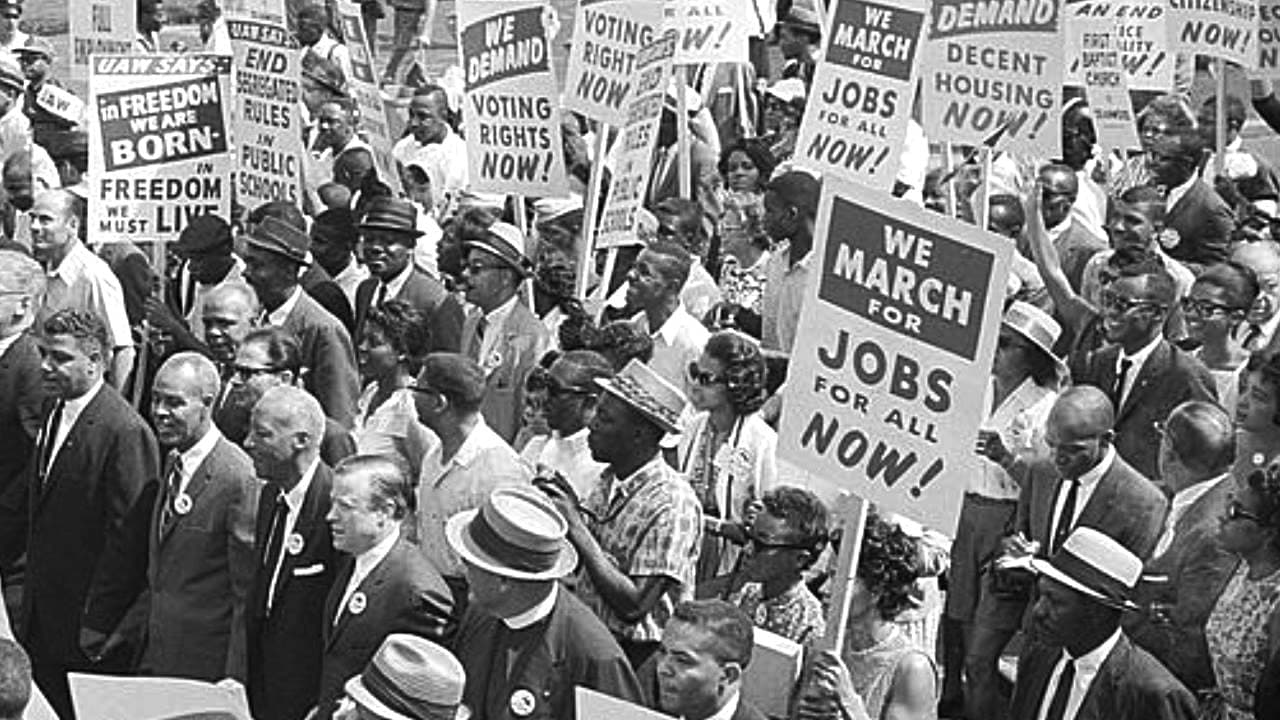
The Civil Rights Act of 1964 was a landmark legislation that outlawed discrimination, paving the way for diversity and inclusion in America and NASA.
Transcript
Fifty years ago today, on July 2, 1964 -- one month after I graduated from segregated C.A. Johnson High School in Columbia, SC -- one of the last remaining legal barriers to equal opportunity in America was toppled when President Lyndon Johnson signed into law the most sweeping civil rights legislation since the post-Civil War Reconstruction Era. T... Read More
Key Insights
- 🌎 The Civil Rights Act of 1964 was a significant step towards equal opportunity and diversity in America.
- ⌛ NASA, established during a time of racial segregation in the south, has made progress in promoting diversity and inclusion.
- 🥹 African Americans and other minorities now hold critical positions at NASA, including scientists, engineers, administrators, astronauts, educators, and communicators.
- 💨 The Civil Rights Act paved the way for increased opportunities and hope for the future in America and NASA.
Install to Summarize YouTube Videos and Get Transcripts
Explore YouTube Video Summarizer or Get YouTube Transcript Extractor
Questions & Answers
Q: What did the Civil Rights Act of 1964 outlaw?
The Civil Rights Act outlawed discrimination in voting, public restaurants, employment, and education based on characteristics such as race, color, religion, national origin, and gender.
Q: Who were some key figures in the Civil Rights movement?
Some key figures in the Civil Rights movement include President John F. Kennedy, President Lyndon B. Johnson, Martin Luther King Jr., Congressman John Lewis, Fannie Lew Hammer, and Rosa Parks.
Q: How did the Civil Rights Act impact NASA?
NASA was established in 1958, amidst intensifying struggles for civil rights and racial equality. Although it took time, NASA has made great strides in opening its doors to people of all races, genders, and walks of life, with African Americans and other minorities playing critical roles in the agency today.
Q: What role did the Office of Diversity and Equal Opportunity play in NASA's progress?
The Office of Diversity and Equal Opportunity at NASA Headquarters and diversity champions and managers at each of the Centers have been instrumental in promoting and ensuring diversity and inclusion within the agency.
Summary & Key Takeaways
-
The Civil Rights Act of 1964 was signed into law by President Lyndon Johnson, breaking down legal barriers to equal opportunity in America.
-
It outlawed discrimination in areas such as voting, public establishments, employment, and education based on race, color, religion, national origin, and gender.
-
The passage of the Civil Rights Act marked a pivotal moment in the nation's struggle for equality and transformed the face of America and NASA.
Read in Other Languages (beta)
Share This Summary 📚
Summarize YouTube Videos and Get Video Transcripts with 1-Click
Try YouTube Summary with ChatGPT & Claude or YouTube Transcript Generator
Explore More Summaries from NASA 📚


Summarize YouTube Videos and Get Video Transcripts with 1-Click
Try YouTube Summary with ChatGPT & Claude or YouTube Transcript Generator