Why Did Russian Fighter Planes Lag Behind?
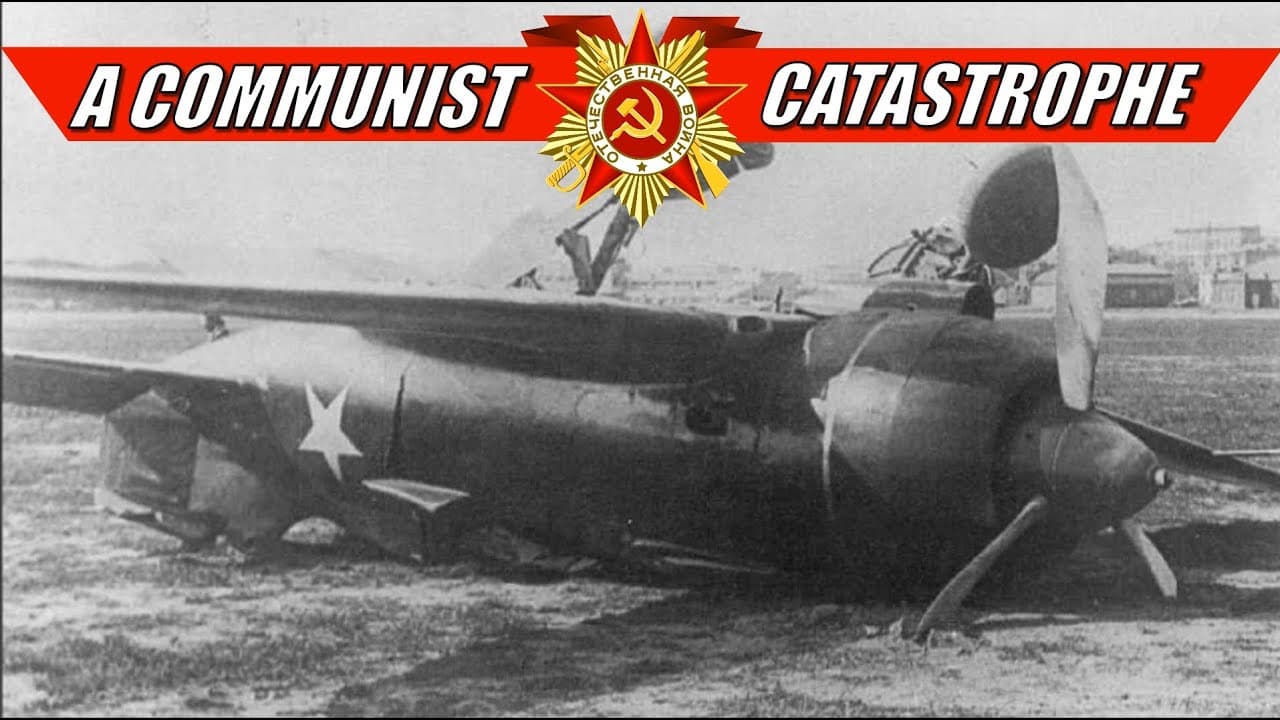
TL;DR
Russian fighter planes struggled to advance due to socio-economic and political challenges, leading to a history of setbacks and eventual triumphs. The development of these aircraft was hampered by poor industrialization, lack of resources, and political interference, but they eventually played a significant role in World War II. Despite early failures, Russian aviation achieved notable success in overcoming these obstacles.
Transcript
sponsored by nordvpn hello I'm anamari history and I have a problem a while ago I made a promise to a live audience of over 10,000 people that I would make a video analyzing the Russian so-called fifth generation Fighter the s57 Felon this as you can imagine requires an awful lot of research but it also sent me down a rabbit hole you see to... Read More
Key Insights
- Russian aviation faced significant challenges due to poor industrialization and lack of resources.
- Political interference and purges under Stalin severely hindered aviation development.
- Early Russian aircraft designs were plagued by poor materials and manufacturing issues.
- The Soviet Union relied heavily on foreign designs and engines for its early aviation efforts.
- The Great Purge led to the imprisonment or execution of many key aviation experts.
- World War II forced rapid development and improvement in Soviet fighter planes.
- The Yak and La series eventually became successful Soviet fighter aircraft.
- Soviet aviation benefited from foreign technology and expertise post-World War II.
Install to Summarize YouTube Videos and Get Transcripts
Explore YouTube Video Summarizer or Get YouTube Transcript Extractor
Questions & Answers
Q: Why did Russian fighter planes fall behind in development?
Russian fighter planes lagged in development due to a combination of socio-economic challenges, lack of industrialization, and political interference. The Soviet Union struggled with poor materials, inadequate manufacturing capabilities, and the Great Purge, which targeted key aviation experts, further hindering progress. These factors collectively contributed to the delayed advancement of Russian fighter aircraft.
Q: How did World War II impact Soviet aviation?
World War II acted as a catalyst for rapid development and improvement in Soviet aviation. The urgent need for effective fighter planes led to accelerated advancements and the eventual production of successful aircraft like the Yak and La series. Despite initial setbacks, the pressures of the war forced the Soviet Union to overcome its earlier challenges and produce competitive fighter planes.
Q: What role did foreign technology play in Soviet aviation development?
Foreign technology played a crucial role in the development of Soviet aviation. The Soviet Union relied heavily on foreign designs and engines in its early efforts, as domestic production was insufficient. Post-World War II, captured German technology and expertise further aided Soviet advancements, helping to bridge the technological gap with Western powers and leading to significant improvements in Soviet fighter planes.
Q: How did political purges affect Soviet aviation?
Political purges, particularly under Stalin's regime, severely affected Soviet aviation by targeting and eliminating key aviation experts and designers. The Great Purge led to the imprisonment or execution of many talented individuals, disrupting progress and innovation within the aviation industry. This political interference created a challenging environment for the development of effective fighter planes.
Q: What were the main challenges faced by early Russian aircraft designs?
Early Russian aircraft designs faced numerous challenges, including poor materials, inadequate manufacturing capabilities, and a lack of skilled labor. These issues were compounded by political interference and purges, which disrupted progress and innovation. As a result, early Russian fighter planes struggled with reliability and performance, hindering their effectiveness in combat.
Q: How did the Yak and La series contribute to Soviet aviation success?
The Yak and La series were pivotal in Soviet aviation success during World War II. These aircraft represented significant improvements over earlier designs, offering better performance, reliability, and combat effectiveness. The Yak series, in particular, was known for its agility and speed, while the La series provided robust firepower and durability, helping the Soviet Union achieve air superiority during the war.
Q: What advancements were made in Soviet aviation post-World War II?
Post-World War II, Soviet aviation saw significant advancements due to the acquisition of captured German technology and expertise. This period marked a transition from struggling with early failures to achieving notable success. The Soviet Union was able to close the technological gap with Western powers, leading to the development of more advanced and competitive fighter planes in the following years.
Q: How did socio-economic factors impact Russian aviation development?
Socio-economic factors had a profound impact on Russian aviation development. The Soviet Union's lack of industrialization, skilled labor, and investment capital hindered progress. Political interference and purges further exacerbated these challenges, creating a difficult environment for innovation and growth. Despite these obstacles, the pressures of World War II eventually drove significant advancements in Soviet aviation.
Summary & Key Takeaways
-
Russian fighter planes faced numerous obstacles in their development, primarily due to socio-economic and political factors. The lack of industrial capacity and skilled labor, combined with political purges, severely hampered progress. Despite these challenges, Russian aviation made significant strides during World War II, eventually producing successful aircraft like the Yak and La series.
-
The Soviet Union's early aviation efforts relied heavily on foreign designs and engines, as domestic production was insufficient. The Great Purge further disrupted progress by targeting key aviation experts. However, the pressures of World War II necessitated rapid advancements, leading to eventual success in the form of improved fighter planes.
-
Post-World War II, the Soviet aviation industry benefited from captured German technology and expertise, helping to close the technological gap with Western powers. This period marked a significant turning point for Russian aviation, as it transitioned from struggling with early failures to achieving notable success.
Read in Other Languages (beta)
Share This Summary 📚
Summarize YouTube Videos and Get Video Transcripts with 1-Click
Try YouTube Summary with ChatGPT & Claude or YouTube Transcript Generator