Body Gestures in Indonesia - Indonesian for Beginners
TL;DR
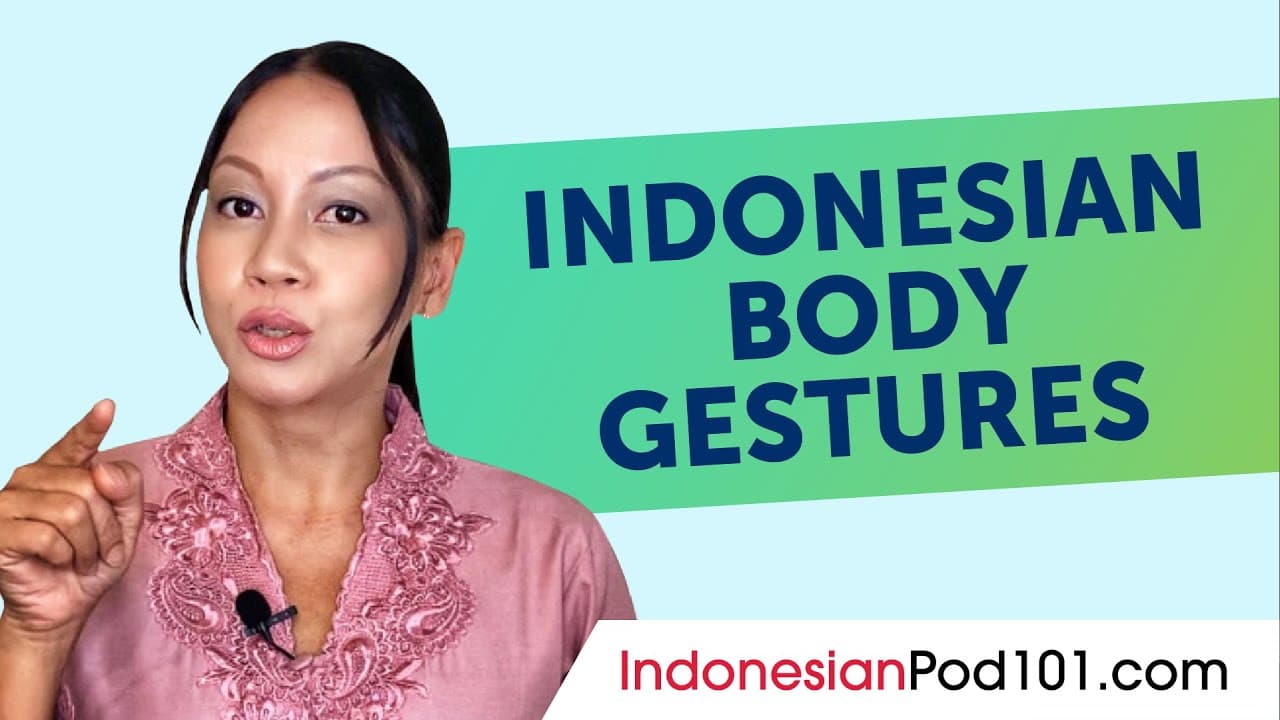
Learn Indonesian body gestures for better cultural integration.
Transcript
wait before we start do you want a bundle of 30 printable Indonesian PDF cheat sheets teaching you words and phrases for conversations for free then click the link in the description and sign up for a free lifetime account to get access hello hello here again with me bla today I'm going to tell you all about body gestures that is common and useful ... Read More
Key Insights
- Understanding Indonesian body gestures is crucial for effective communication and cultural integration in Indonesia.
- There are specific gestures for greetings, such as formal, casual, and intimate, each with its own context and usage.
- Handshakes in Indonesia vary from formal to intimate, with each type indicating different levels of respect and familiarity.
- Pointing in Indonesia should be done with caution, as using the index finger can be considered offensive.
- The gesture of placing the palms together in front of the chest is used for apologies and as a polite greeting.
- Some gestures, like giving a thumbs up, are universally positive and indicate approval or satisfaction.
- Negative gestures, such as indicating someone is crazy, are common but should be used cautiously to avoid offense.
- Indonesian culture values using the right hand for gestures and maintaining a warm, friendly demeanor.
Install to Summarize YouTube Videos and Get Transcripts
Explore YouTube Video Summarizer or Get YouTube Transcript Extractor
Questions & Answers
Q: What are the different types of greetings in Indonesia?
In Indonesia, there are three main types of greetings: formal, casual, and intimate. The formal greeting involves waving with the right palm facing up. The casual greeting can include phrases like 'hey' or 'heyab.' The intimate greeting, known as 'chipa chiki,' involves a cheek-to-cheek gesture used among family and close friends.
Q: How do Indonesian handshakes differ?
Indonesian handshakes vary based on the level of formality and respect. The formal handshake is firm yet gentle, while the polite 'Salamon' involves placing the hand on the heart afterward. The 'no touch' handshake is used for situations where physical contact is avoided, and 'Salim' is a respectful gesture for elders, involving a kiss to the hand or forehead.
Q: What is the significance of pointing gestures in Indonesia?
Pointing gestures in Indonesia should be approached with care. Using the index finger to point at people is considered offensive. Instead, it's preferable to use the right palm to indicate direction or objects. For a more polite gesture, one can use a thumbs-up to point, especially when directing someone towards a location.
Q: How is the gesture for apology performed in Indonesia?
In Indonesia, the gesture for apology involves bringing the palms together in front of the chest, accompanied by the word 'maaf,' meaning 'sorry.' This gesture conveys sincerity and respect, and it's commonly used in both formal and informal settings to express regret or ask for forgiveness.
Q: What does the thumbs-up gesture signify in Indonesian culture?
The thumbs-up gesture in Indonesian culture is a positive sign, indicating approval, satisfaction, or that something is good. It is often used to compliment food or acknowledge a job well done. This gesture is universally understood and appreciated, making it a safe and effective way to convey positive feedback.
Q: What are some negative gestures in Indonesian culture?
Negative gestures in Indonesian culture include the 'crazy' gesture, where the index finger is placed on the forehead, and the 'fed up' gesture, which indicates frustration with repetitive situations. Another gesture involves pointing to the side of the forehead to suggest someone is not thinking clearly. These gestures should be used with caution to avoid offending others.
Q: Why is using the right hand important in Indonesian gestures?
Using the right hand for gestures in Indonesia is important due to cultural norms that associate the right hand with cleanliness and respect. The left hand is traditionally considered less clean, so gestures like handshakes, pointing, and giving or receiving items should be done with the right hand to show politeness and cultural awareness.
Q: How can understanding Indonesian body gestures enhance cultural experiences?
Understanding Indonesian body gestures can greatly enhance cultural experiences by facilitating smoother communication and demonstrating cultural respect. By using appropriate gestures, one can navigate social interactions more effectively, build rapport with locals, and avoid misunderstandings. This knowledge helps make interactions more positive and enriching, contributing to a deeper appreciation of Indonesian culture.
Summary & Key Takeaways
-
The video explores various body gestures commonly used in Indonesia, emphasizing their cultural significance and proper usage. These include greetings, handshakes, and gestures for pointing, apologizing, and more. Understanding these nonverbal cues is essential for effective communication and cultural integration in Indonesia.
-
Indonesian greetings range from formal to intimate, with each type serving different social contexts. Handshakes also vary, reflecting levels of respect and familiarity. The video provides a detailed explanation of these gestures, helping viewers navigate social interactions in Indonesia.
-
The video highlights both positive and negative gestures in Indonesian culture, such as thumbs up for approval and gestures indicating someone is crazy. It stresses the importance of using the right hand for gestures and maintaining a friendly demeanor to ensure positive interactions.
Read in Other Languages (beta)
Share This Summary 📚
Summarize YouTube Videos and Get Video Transcripts with 1-Click
Try YouTube Summary with ChatGPT & Claude or YouTube Transcript Generator
Explore More Summaries from Learn Indonesian with IndonesianPod101.com 📚

Summarize YouTube Videos and Get Video Transcripts with 1-Click
Try YouTube Summary with ChatGPT & Claude or YouTube Transcript Generator