How Emotions Influence Economic Markets
TL;DR
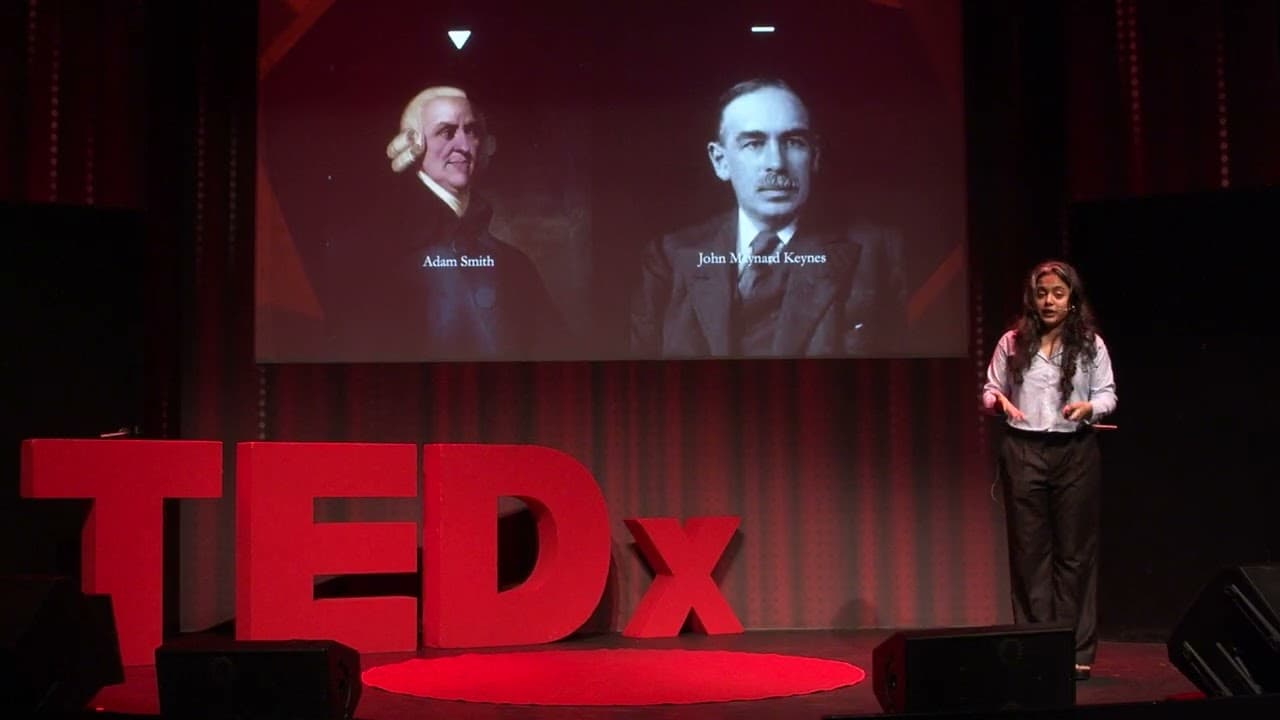
Emotions play a crucial role in economics, influencing market behavior and decision-making. From the tone of a Federal Reserve speech affecting stock prices to historical events like the tulip mania, emotions can drive markets both constructively and destructively. Understanding this emotional impact helps explain market dynamics beyond pure rationality.
Transcript
Good afternoon. Those were the exact words that once made the markets hold their breath. Well, kind of. And they weren't mine, of course, but they were Jerome Pavles, the chair of Federal Reserve. When he steps up to the microphone, it isn't just what he says that matters, but it's also how he says it. In November 2022, a single press conference wi... Read More
Key Insights
- Emotions significantly influence economic decisions, impacting markets and individual behavior.
- The tone and delivery of economic announcements can sway market reactions, as seen with Federal Reserve speeches.
- Historical events like the tulip mania and the subprime mortgage crisis highlight the role of emotions in economic bubbles.
- Muhammad Yunus's microfinance model demonstrates how empathy can create successful economic systems.
- Trust and confidence are fundamental to economic systems, affecting everything from currency value to lending practices.
- Behavioral economics challenges the traditional view of rational decision-making by incorporating emotional factors.
- Expected and immediate emotions both play roles in market behavior, influencing decisions and outcomes.
- The ultimatum game illustrates how fairness and dignity can override purely rational economic choices.
Install to Summarize YouTube Videos and Get Transcripts
Explore YouTube Video Summarizer or Get YouTube Transcript Extractor
Questions & Answers
Q: How do emotions influence economic markets?
Emotions influence economic markets by affecting decision-making and market reactions. For example, the tone of a Federal Reserve speech can cause stock prices to rise or fall, as investors interpret the emotional cues as signals about future economic conditions. Emotions like optimism, fear, and trust can drive market trends and shape economic outcomes.
Q: What role did emotions play in the tulip mania?
During the tulip mania in the 17th century, emotions like greed and speculation drove the prices of tulip bulbs to extraordinary heights, far exceeding their intrinsic value. This emotional frenzy led to a speculative bubble, which eventually burst, causing significant financial losses. The event illustrates how emotions can create economic bubbles and impact market stability.
Q: How does trust affect economic systems?
Trust is a fundamental component of economic systems, influencing everything from currency value to lending practices. For example, confidence in a government's ability to back its currency affects its perceived value. Similarly, banks lend based on the trust that borrowers will repay. Trust and confidence help maintain economic stability and facilitate transactions.
Q: What is the ultimatum game and what does it reveal about economic behavior?
The ultimatum game is an economic experiment where one person offers a split of money to another, who can accept or reject it. Despite traditional economic theory suggesting rational players should accept any positive offer, many reject low offers as unfair. This behavior reveals that fairness and dignity can override purely rational economic decisions, highlighting the role of emotions in economic behavior.
Q: How does behavioral economics differ from traditional economics?
Behavioral economics differs from traditional economics by incorporating psychological and emotional factors into economic models. While traditional economics assumes rational decision-making, behavioral economics recognizes that emotions, biases, and cognitive limitations often influence economic behavior. This approach provides a more comprehensive understanding of market dynamics and individual decisions.
Q: What is the impact of expected and immediate emotions on market behavior?
Expected emotions are the anticipated feelings about future outcomes, while immediate emotions are current feelings during decision-making. Both impact market behavior by influencing how individuals assess risk and make investment choices. For example, fear of future losses can deter investment, while current excitement may lead to speculative behavior. Recognizing these emotional influences helps explain market dynamics.
Q: How did Muhammad Yunus's microfinance model challenge traditional economic views?
Muhammad Yunus's microfinance model challenged traditional economic views by using empathy and trust to lend to impoverished individuals, particularly women, who were typically considered high-risk by conventional banks. His approach demonstrated that lending based on trust and compassion could create successful economic systems, empowering millions and proving that emotional factors can drive positive economic change.
Q: What is the significance of emotions in shaping economic policies?
Emotions are significant in shaping economic policies as they influence public perception and acceptance. Policymakers must consider emotional responses to ensure successful implementation. For instance, policies perceived as unfair may face resistance, while those that align with public sentiment can gain widespread support. Recognizing the emotional impact on policy effectiveness is crucial for achieving desired economic outcomes.
Summary & Key Takeaways
-
Emotions are integral to economic systems, affecting everything from market reactions to individual decisions. Historical events like the tulip mania and the subprime crisis show how emotions can drive economic bubbles. Understanding these emotional influences helps explain market dynamics beyond rational models.
-
Trust and confidence underpin economic systems, with emotions playing a key role in their stability. Examples like Muhammad Yunus's microfinance model highlight how empathy can lead to successful economic outcomes, challenging traditional views of rational decision-making.
-
The ultimatum game demonstrates that fairness and dignity can influence economic choices, overriding purely rational considerations. Behavioral economics recognizes the impact of emotions, offering insights into how they shape both individual behavior and broader market trends.
Read in Other Languages (beta)
Share This Summary 📚
Summarize YouTube Videos and Get Video Transcripts with 1-Click
Try YouTube Summary with ChatGPT & Claude or YouTube Transcript Generator
Explore More Summaries from TEDx Talks 📚





Summarize YouTube Videos and Get Video Transcripts with 1-Click
Try YouTube Summary with ChatGPT & Claude or YouTube Transcript Generator