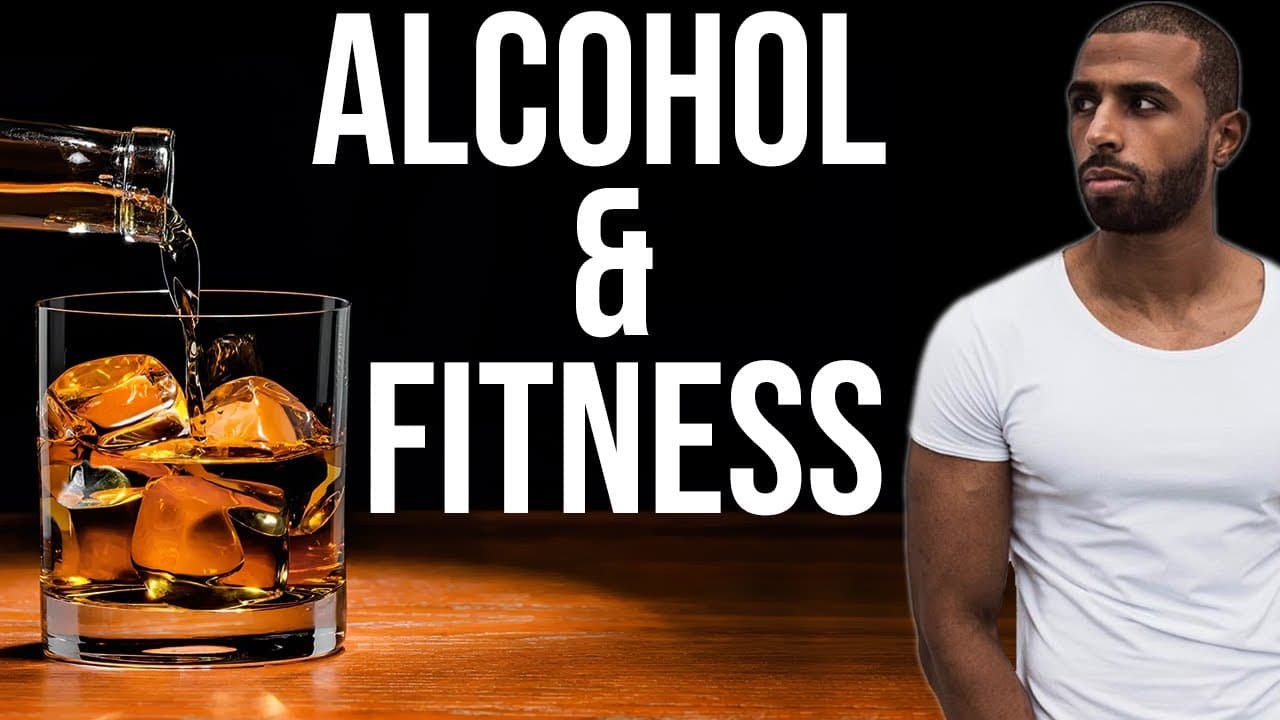
How Does Alcohol Affect Muscle Growth and Fat Loss?
TL;DR
Alcohol negatively impacts muscle growth and fat loss by lowering testosterone levels and reducing muscle protein synthesis, impairing the body’s ability to build muscle. It creates metabolic chaos, leading to fat gain as the body prioritizes metabolizing alcohol over nutrients. To mitigate these effects, strategies include drinking water, controlling dietary intake, and limiting drinking frequency.
Transcript
what's up guys Maron gains here from unplug Fitness today we're gonna talk about alcohol and building muscle or losing fat does it negatively affect you and if so how so this alcohol ruin your physique let's get into it first what is alcohol and your drink that contains ethanol and is fermented by a grains fruit and other sugars alright it's import... Read More
Key Insights
- 👨 Alcohol contains seven calories per gram, which can contribute to caloric surplus and fat gain when consumed excessively.
- 🥺 Drinking creates a state of metabolic chaos, leading to stored fat because the body prioritizes alcohol metabolism over other nutrients.
- 😘 Low inhibition from alcohol can lead to poor dietary choices, increasing caloric intake and reducing awareness of hunger cues.
- 💪 Regular alcohol consumption significantly lowers testosterone levels, affecting overall fitness and muscle-building capabilities.
- 💦 Effective workout performance can be significantly affected by the intake of alcohol, as it diminishes strength and endurance during training.
- 😋 Strategies to mitigate drinking’s adverse effects include controlling food intake, staying hydrated, and limiting social drinking frequency.
- 💪 Consistent drinking habits can impede recovery, resulting in slower muscle growth and a disrupted training regimen.
Install to Summarize YouTube Videos and Get Transcripts
Explore YouTube Video Summarizer or Get YouTube Transcript Extractor
Questions & Answers
Q: How does alcohol specifically affect muscle protein synthesis?
Alcohol significantly hampers muscle protein synthesis, reducing the body's capability to build new muscle mass. Studies indicate that consuming eight to nine drinks can decrease this process by about 37%. This reduction negatively impacts the effectiveness of workouts aimed at hypertrophy, making it difficult for individuals to achieve their fitness goals in the long term.
Q: What are the short-term and long-term effects of consuming alcohol on fitness?
In the short term, alcohol can lower inhibitions and create a sense of social enjoyment, but it also leads to poor food choices and excessive caloric intake. Long-term, consistent alcohol consumption can lower testosterone levels, impair recovery rates, and ultimately hinder muscle growth and fat loss, making it challenging to maintain a desired physique.
Q: What strategies can help mitigate the negative effects of drinking?
To minimize the damage from drinking, individuals can adopt several strategies: limit dietary fat intake on drinking days, consume alcohol during a calorie deficit rather than during bulking, stay hydrated, and consider taking in curcumin powder, protein, and carbohydrates before drinking, which can help alleviate hangover symptoms and reduce negative impacts.
Q: Why is intermittent fasting recommended on drinking days?
Intermittent fasting can help individuals better control their calorie intake by restricting eating to a specific time frame. This approach makes it easier to adhere to calorie goals and can prevent the overconsumption of calories associated with drinking, ultimately aiding in weight management and fitness progress.
Q: How does alcohol impact performance in the gym?
Alcohol consumption can impair physical performance by reducing coordination, endurance, and strength during workouts. This diminishment affects an individual's ability to progressively overload muscles, which is crucial for hypertrophy and building muscle. Lower performance levels can thus stall training progress and fitness gains.
Q: What role does social drinking play in fitness goals?
Social drinking can often lead to poor nutritional choices and the consumption of empty calories, which are detrimental to fitness goals. While occasional indulgence may not have a significant impact, frequent social drinking can hinder muscle development, recovery, and overall health, making it essential to balance social engagements with fitness priorities.
Summary & Key Takeaways
-
Alcohol consumption can create metabolic chaos, impairing the body's ability to use nutrients effectively, which can lead to fat gain.
-
Drinking lowers testosterone levels and muscle protein synthesis, making it harder to build muscle mass and perform well in the gym.
-
To minimize alcohol's negative effects, use strategies like drinking water, fasting, and controlling dietary intake surrounding drinking occasions.
Read in Other Languages (beta)
Share This Summary 📚
Summarize YouTube Videos and Get Video Transcripts with 1-Click
Try YouTube Summary with ChatGPT & Claude or YouTube Transcript Generator
Explore More Summaries from FreshandFit 📚
Summarize YouTube Videos and Get Video Transcripts with 1-Click
Try YouTube Summary with ChatGPT & Claude or YouTube Transcript Generator