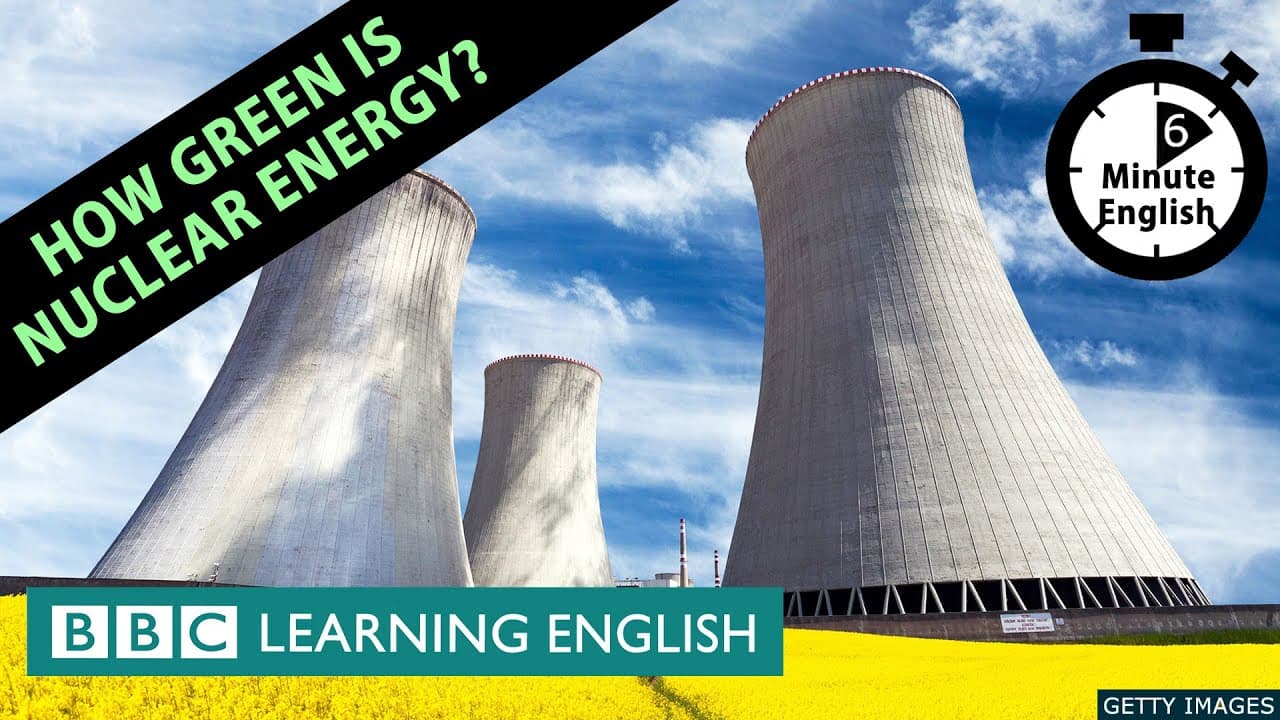
How green is nuclear energy? - 6 Minute English
TL;DR
Debate over nuclear energy's role in combating climate change.
Transcript
Hello. This is 6 Minute English from BBC Learning English. I'm Neil. And I'm Sam. With winter here, the rising price of oil and natural gas has become a hot topic. At the same time, climate change is also reaching emergency levels, and world leaders are looking for ways to reduce our consumption of fossil fuels. Some think the best option is renewa... Read More
Key Insights
- Nuclear energy is considered by some as a clean and reliable alternative to fossil fuels, while others highlight safety concerns from past disasters like Chernobyl.
- The perception of nuclear power is heavily influenced by historical accidents, leading to ingrained negative opinions that may not reflect modern advancements.
- Nuclear power provides a steady energy supply, unlike renewables which depend on weather conditions, making it a potentially reliable energy source.
- Rising sea levels pose a threat to nuclear power stations, which are often located near large water bodies for cooling purposes, questioning its long-term viability.
- Germany has decided to phase out nuclear power, shifting towards renewable energy sources, with around 70% of its electricity now coming from renewables.
- Nuclear's low carbon emissions are its unique selling point, but it might become a casualty of climate change due to environmental risks.
- The debate continues whether investments should focus on improving nuclear technology or making renewables more reliable and widespread.
- Public concern over nuclear safety remains a significant barrier to its acceptance, despite technological advancements that reduce risks.
Install to Summarize YouTube Videos and Get Transcripts
Explore YouTube Video Summarizer or Get YouTube Transcript Extractor
Questions & Answers
Q: What are the main arguments for and against nuclear energy?
Proponents of nuclear energy argue that it is a clean and reliable alternative to fossil fuels, producing low carbon emissions. However, opponents point to safety concerns stemming from past nuclear disasters like Chernobyl and Fukushima, as well as environmental risks associated with rising sea levels threatening nuclear power plants.
Q: How have past nuclear disasters influenced public perception?
Past nuclear disasters, particularly the Chernobyl incident, have left a lasting negative impact on public perception of nuclear energy. These events have ingrained fears in many people's minds, influencing opinions against nuclear power despite advancements in technology that have significantly improved safety measures.
Q: What is the unique selling point of nuclear energy?
The unique selling point of nuclear energy is its ability to produce electricity with low carbon emissions, making it a potential solution for reducing greenhouse gases. This characteristic sets it apart from fossil fuels and highlights its potential role in combating climate change, despite ongoing debates about its safety and environmental impact.
Q: Why is nuclear power considered a casualty of climate change?
Nuclear power is considered a casualty of climate change due to its vulnerability to environmental risks, such as rising sea levels that threaten nuclear power plants located near large water bodies. These risks challenge the sustainability of nuclear energy as a long-term solution, prompting discussions about investing in more reliable renewable energy sources.
Q: What steps has Germany taken regarding nuclear energy?
Germany has decided to phase out nuclear energy, gradually stopping its use and shifting towards renewable energy sources. This decision reflects Germany's commitment to addressing climate change and reducing reliance on nuclear power, with approximately 70% of its electricity now coming from renewables.
Q: How does nuclear energy compare to renewables in terms of reliability?
Nuclear energy is often considered more reliable than renewables because it provides a steady supply of power, regardless of weather conditions. In contrast, renewable energy sources like wind and solar are dependent on environmental factors, leading to fluctuations in electricity generation when the wind doesn't blow or the sun doesn't shine.
Q: What are the environmental risks associated with nuclear power?
Environmental risks associated with nuclear power include potential accidents that can release harmful radiation, as seen in past disasters. Additionally, nuclear power plants are vulnerable to rising sea levels and other climate change impacts, which can threaten their operation and safety, raising concerns about their long-term viability.
Q: What are the challenges in shifting from nuclear to renewable energy?
Shifting from nuclear to renewable energy presents challenges such as ensuring a reliable and consistent energy supply, as renewables depend on weather conditions. Investments are needed to improve renewable technologies and infrastructure, making them more efficient and capable of meeting energy demands without compromising environmental goals.
Summary & Key Takeaways
-
The discussion around nuclear energy revolves around its potential as a clean and reliable alternative to fossil fuels, countered by safety concerns from past nuclear disasters.
-
While nuclear power offers a steady energy supply, its future is threatened by rising sea levels, prompting countries like Germany to shift towards renewables.
-
The debate continues on whether to invest in nuclear advancements or focus on enhancing the reliability of renewable energy sources, amid public safety concerns.
Read in Other Languages (beta)
Share This Summary 📚
Summarize YouTube Videos and Get Video Transcripts with 1-Click
Try YouTube Summary with ChatGPT & Claude or YouTube Transcript Generator
Explore More Summaries from BBC Learning English 📚

Summarize YouTube Videos and Get Video Transcripts with 1-Click
Try YouTube Summary with ChatGPT & Claude or YouTube Transcript Generator