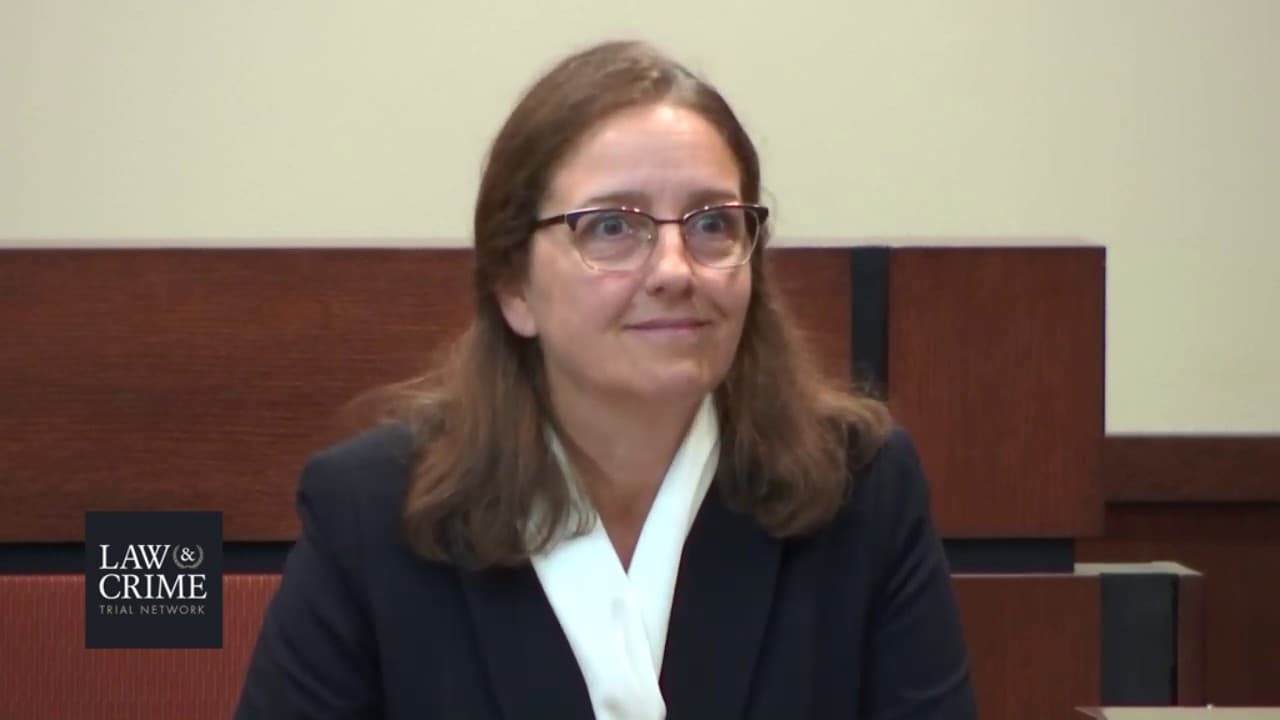
Henry Segura Retrial Day 2 - Joanne Maltese - Frmr Supervisor, Forensics & Dr Lisa Flannagan - ME
TL;DR
Expert testimony on forensic evidence, injuries, and gunshot wounds in a criminal case.
Transcript
here in state of Florida where is Segura 2011 27:51 let the record click mr. cigar is president with his attorneys any outstanding motions for issues we need to deal with plan to take it up the fudge side yeah just range some sandwiches anything else from the defense [Applause] we'll play in the storage area all rise for the jury please good mornin... Read More
Key Insights
- 🎑 Blood spatter analysis helps reconstruct the sequence of events at a crime scene.
- 🖐️ Latent fingerprints play a crucial role in identifying suspects and linking them to a crime.
- 💁 Autopsy findings provide critical information on the cause of death and the extent of trauma suffered.
- 👊 Defensive wounds indicate attempts by victims to protect themselves during an attack.
- 🦻 Documentation of injuries and gunshot wounds aids in the forensic investigation.
- 🤕 Impact injuries on the head and face can be indicative of blunt force trauma.
- 📤 X-ray imaging helps locate projectiles and bullets in the victim's body.
Install to Summarize YouTube Videos and Get Transcripts
Explore YouTube Video Summarizer or Get YouTube Transcript Extractor
Questions & Answers
Q: How do forensic experts analyze blood spatter at a crime scene?
Forensic experts use specialized training and tools to analyze blood spatter patterns, determining the direction and angle of impact to reconstruct the events that occurred.
Q: What is the significance of latent fingerprints found at a crime scene?
Latent fingerprints are crucial evidence that can link suspects to a crime scene. Experts compare these prints with known samples to identify potential suspects.
Q: How do medical examiners determine the cause of death in homicide cases?
Medical examiners conduct thorough autopsies to document injuries, gunshot wounds, and trauma, allowing them to determine the cause of death and provide evidence in court.
Q: How do forensic pathologists identify defensive wounds on a victim's body?
Defensive wounds are injuries sustained when a victim attempts to protect themselves during an attack. Forensic pathologists look for patterns of injuries consistent with defensive actions.
Summary & Key Takeaways
-
Expert witnesses discuss forensic evidence related to injuries and gunshot wounds in a criminal case.
-
Analysis of wounds, blood spatter, and latent fingerprints provides insights into the crime scene investigation.
-
Autopsy findings reveal the cause of death and the extent of trauma suffered by the victims.
Read in Other Languages (beta)
Share This Summary 📚
Summarize YouTube Videos and Get Video Transcripts with 1-Click
Try YouTube Summary with ChatGPT & Claude or YouTube Transcript Generator
Explore More Summaries from Law&Crime Network 📚




Summarize YouTube Videos and Get Video Transcripts with 1-Click
Try YouTube Summary with ChatGPT & Claude or YouTube Transcript Generator