What Are the Limits of Closing Arguments in Court?
TL;DR
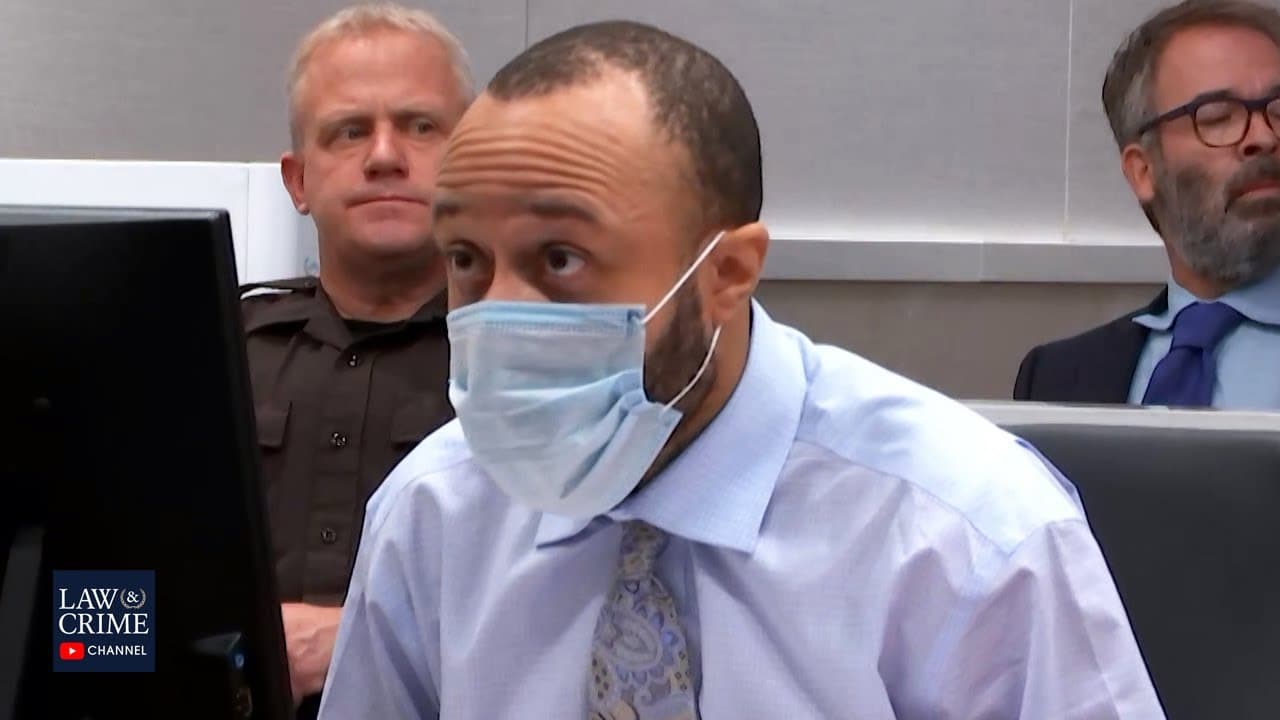
Closing arguments in court must be relevant to the charges the jury is deliberating; defendants do not have unfettered rights to present any information. The judge controls the presentation of evidence and ensures all arguments are appropriate to maintain a fair trial, balancing constitutional rights with court rules.
Transcript
Mr Brooks I don't know what you have planned for your closing argument uh so I'm making a request the same request may I be able to put up uh well I guess it depends on what it is Sir so I'm not going to take up any more time because what I intend to do is um once the state goes through its closing I may take just a short Comfort break depending on... Read More
Key Insights
- 😯 Fair trial does not guarantee unlimited rights to defendants for speech in court.
- 🧑⚖️ Judges have the authority to control the presentation of evidence, including during closing arguments.
- 🗯️ Constitutional rights must be balanced with the court's obligation to ensure a fair trial.
- 🧚 Relevance and appropriateness of arguments are crucial for a fair legal process.
- 🎁 Defendants must adhere to court rules and guidelines for presenting arguments.
- 🧑⚖️ Judges maintain the responsibility to uphold fairness and reliability in criminal trials.
- 🗯️ Constitutional rights do not grant permission to present any information deemed irrelevant to the case.
Install to Summarize YouTube Videos and Get Transcripts
Explore YouTube Video Summarizer or Get YouTube Transcript Extractor
Questions & Answers
Q: What issue does the defendant raise regarding presenting exhibits in his closing argument?
The defendant insists on using exhibits related to his oath of office and legal status, which the judge deems irrelevant to the jury's determination of guilt or innocence.
Q: How does the judge respond to the defendant's insistence on including irrelevant information in his closing argument?
The judge warns the defendant that continuing to present irrelevant information may lead to the judge instructing the jury to leave and admonishing the defendant for violating court rules.
Q: What rights does the defendant claim under the First and Sixth Amendments of the Constitution?
The defendant claims the right to inform the jury of their rights, the truth, and their duties under the Constitution, asserting that no state law can override these constitutional rights.
Q: How does the judge address the defendant's assertion of unfettered First Amendment rights?
The judge clarifies that the defendant's First Amendment rights are not absolute and can be restricted, especially in a courtroom setting to ensure fairness and adherence to relevant arguments.
Summary & Key Takeaways
-
The defendant challenges the court regarding what exhibits can be used in his closing argument.
-
The judge insists on relevance and appropriateness of the arguments before the jury.
-
The defendant asserts his constitutional rights to free speech and legal defense.
Read in Other Languages (beta)
Share This Summary 📚
Summarize YouTube Videos and Get Video Transcripts with 1-Click
Try YouTube Summary with ChatGPT & Claude or YouTube Transcript Generator
Explore More Summaries from Law&Crime Network 📚



Summarize YouTube Videos and Get Video Transcripts with 1-Click
Try YouTube Summary with ChatGPT & Claude or YouTube Transcript Generator