Liquid Fluoride Thorium Reactors (LFTR): Energy for the Future?
TL;DR
Thorium-based nuclear reactors offer safer, cheaper, and more efficient energy production compared to uranium-based systems.
Transcript
One thing's for sure: we humans - we need electricity now. But, since fossil fuels are turning our environment into a crap circus, some scientists are telling us not to discount nuclear energy. In fact, they say that maybe we should switch our uranium-based nuclear reactors to safer, cheaper, thorium-based ones. Thorium is an element; a metal that'... Read More
Key Insights
- ⚾ Thorium-based nuclear reactors offer a safer and more sustainable alternative to uranium reactors.
- 🙈 Liquid-fluoride thorium reactors (LFTR) are seen as a promising technology for future energy production.
- ⚾ The main obstacle to thorium reactor adoption is the expense of transitioning from existing uranium-based systems.
- ⚾ China is at the forefront of developing thorium-based nuclear technology.
- 🗑️ Thorium reactors produce less radioactive waste and are more challenging to weaponize compared to uranium reactors.
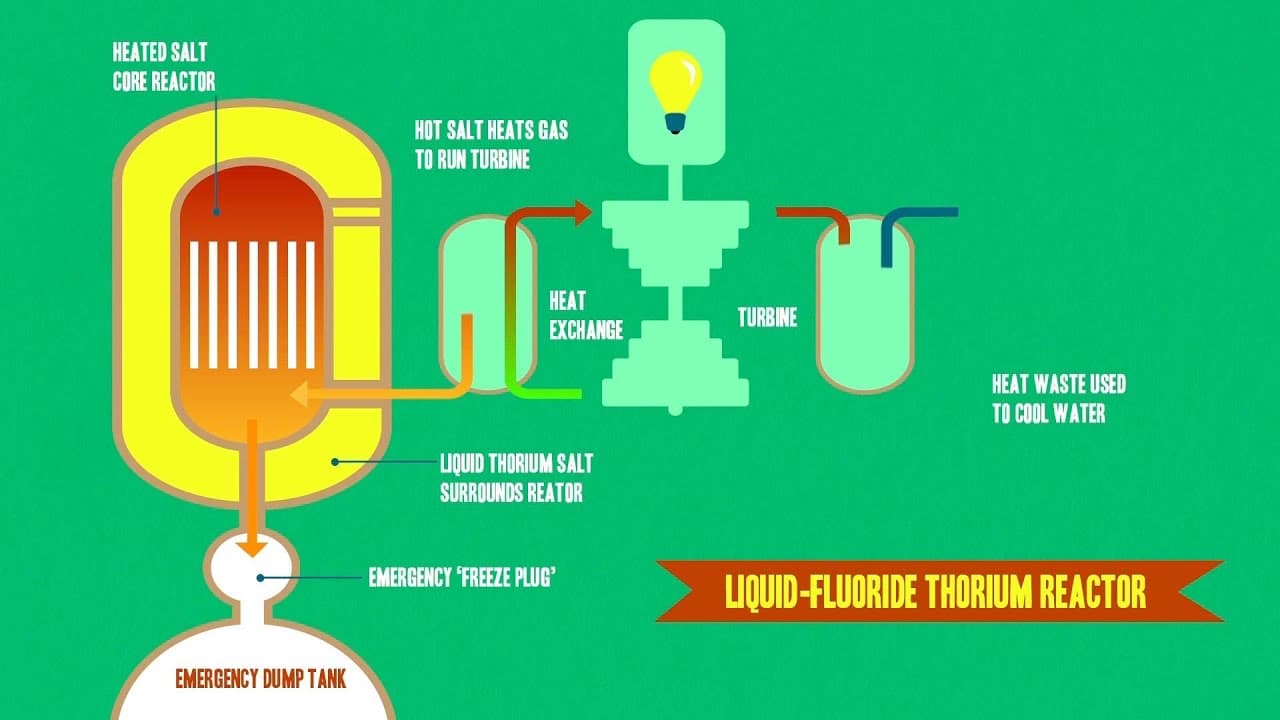
- 😒 LFTRs use liquid salts for cooling and energy transfer, making them more efficient and safer than traditional systems.
- ⛽ Historically, Thorium has been overlooked as a viable fuel source for nuclear energy production.
Install to Summarize YouTube Videos and Get Transcripts
Explore YouTube Video Summarizer or Get YouTube Transcript Extractor
Questions & Answers
Q: What are the advantages of thorium-based nuclear reactors over uranium-based ones?
Thorium reactors are safer, more efficient, produce less radioactive waste, and are more challenging to convert into weapons compared to uranium reactors.
Q: Why haven't thorium reactors been widely adopted despite their benefits?
The main reason is the expense of retrofitting existing uranium-based plants to thorium, as well as the vested interests in the uranium industry and concerns about the long-term viability of the technology.
Q: What are some key features of liquid-fluoride thorium reactors (LFTR)?
LFTRs use liquid salts for cooling and energy transfer, eliminating the risks associated with water cooling systems and making them more efficient and safer to operate.
Q: Which country is currently leading the development of thorium-based reactors?
China is taking the lead in developing LFTR technology, signaling a potential shift in the global nuclear energy landscape.
Summary & Key Takeaways
-
Thorium, an underutilized element, is gaining attention for its potential in nuclear energy production.
-
Liquid-fluoride thorium reactors (LFTR) are proposed as a safer and more efficient alternative to traditional nuclear reactors.
-
While thorium reactors offer numerous advantages, the main obstacle to their adoption is the expense of retrofitting existing uranium-based plants.
Read in Other Languages (beta)
Share This Summary 📚
Summarize YouTube Videos and Get Video Transcripts with 1-Click
Try YouTube Summary with ChatGPT & Claude or YouTube Transcript Generator
Explore More Summaries from SciShow 📚


Summarize YouTube Videos and Get Video Transcripts with 1-Click
Try YouTube Summary with ChatGPT & Claude or YouTube Transcript Generator