35 Vital Chess Principles | Opening, Middlegame, and Endgame Principles - Chess Strategy and Ideas
TL;DR
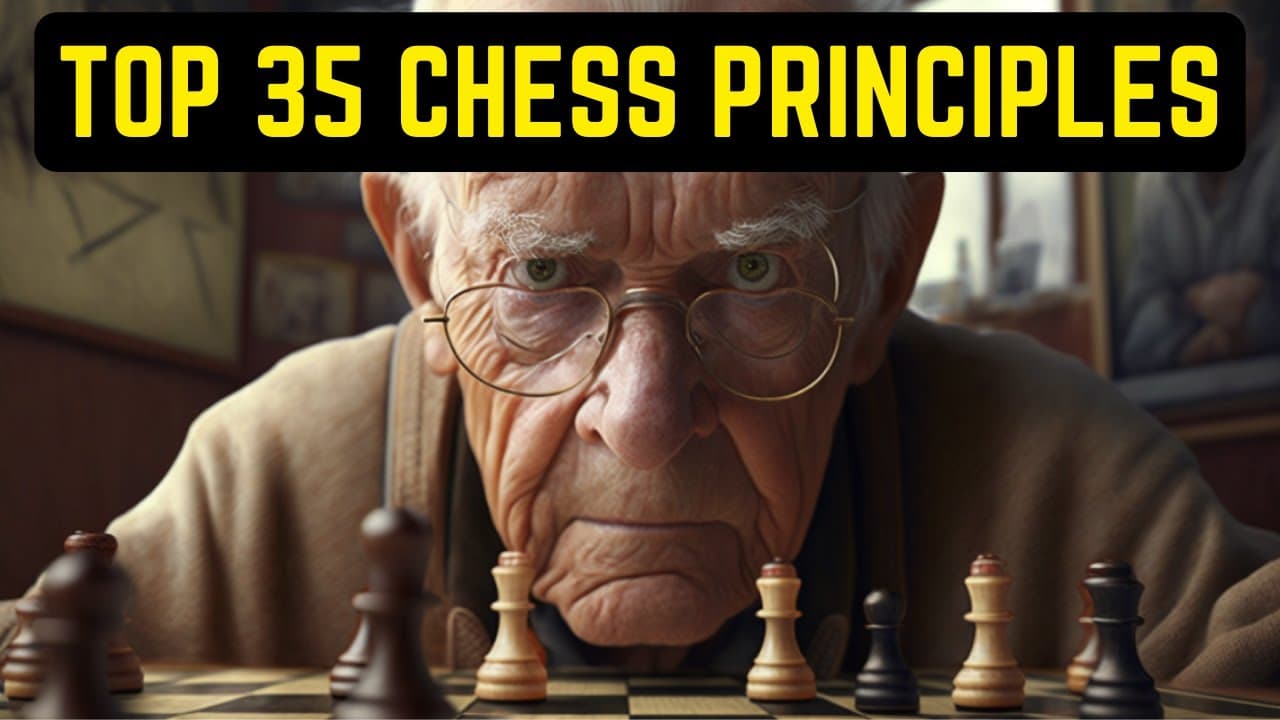
Learn the top 35 most important chess principles, including controlling the center, developing pieces quickly, and avoiding certain pawn formations.
Transcript
hey guys in this video you're going to learn the top 35 most important chess principles a chess principle is just like a guideline or a rule that generally speaking you should follow and you're going to get into better positions so you've probably heard control the center of the board that is an example of a chess principle it's true most of the ti... Read More
Key Insights
- 🎮 Control of the center is crucial in chess.
- 🕰️ Developing pieces quickly gives you an advantage.
- 📶 Knights and bishops have different strengths and should be developed accordingly.
- 🤗 Opening moves should focus on development, not moving the same piece repeatedly.
- 🥺 Bringing out the queen too early can lead to time-wasting and vulnerability.
- 😉 Castling early ensures better king safety.
- 👻 Connecting rooks allows for cooperation and protection.
- 📂 Rooks are most effective on open or half-open files.
- 🥇 Knights are more powerful when placed centrally.
- ♟️ Avoiding doubled and isolated pawns is beneficial.
- ™️ Trading a bishop for a knight should be carefully considered.
- 😉 Moving pawns in front of a castled king weakens the position.
- 😉 Opening the center should be done after king safety is ensured.
- 💪 Two minor pieces are generally stronger than a rook and a pawn.
- 😜 Rooks are strong on the seventh rank.
- 📂 Doubled rooks on an open file give a significant advantage.
- 🧘 Bishops excel in open positions, while knights perform better in closed positions.
- 👊 Counterattacking in the center is effective against flank attacks.
- ❓ Capturing towards the center is generally preferable.
- 😉 The king plays a valuable role in the endgame.
- 🧭 Rooks should be placed behind pass pawns.
- 👊 Attacking the base of a pawn chain weakens the structure.
- ♟️ Knights are excellent blockaders of pawns.
- 🤗 Trading pieces in a cramped position opens up the board.
- ♟️ Maintaining pawns while ahead in material is advantageous.
- 😚 Trading pawns when losing can increase chances of a draw.
- 💀 Opposite colored bishops introduce danger in the middle game and drawish endgames.
- 🖐️ Avoid playing "hope chess" and relying on opponent mistakes.
- 🤑 Second-guess good moves to find better ones.
Install to Summarize YouTube Videos and Get Transcripts
Explore YouTube Video Summarizer or Get YouTube Transcript Extractor
Questions & Answers
Q: Why is controlling the center important in chess?
Controlling the center provides more options, better mobility for your pieces, and puts pressure on your opponent's position.
Q: What is the benefit of developing pieces quickly?
Developing pieces quickly allows you to have an advantage in piece activity and increases your chances of maintaining control over the board.
Q: Why should knights be developed before bishops?
Knights are more useful in the early stages of the game due to their ability to jump over other pieces, while bishops require open diagonals to be effective.
Q: Why is it advised not to move the same piece twice in the opening?
Moving the same piece multiple times in the opening slows down your development and allows your opponent to catch up in piece activity, putting you at a disadvantage.
Key Insights:
- Control of the center is crucial in chess.
- Developing pieces quickly gives you an advantage.
- Knights and bishops have different strengths and should be developed accordingly.
- Opening moves should focus on development, not moving the same piece repeatedly.
- Bringing out the queen too early can lead to time-wasting and vulnerability.
- Castling early ensures better king safety.
- Connecting rooks allows for cooperation and protection.
- Rooks are most effective on open or half-open files.
- Knights are more powerful when placed centrally.
- Avoiding doubled and isolated pawns is beneficial.
- Trading a bishop for a knight should be carefully considered.
- Moving pawns in front of a castled king weakens the position.
- Opening the center should be done after king safety is ensured.
- Two minor pieces are generally stronger than a rook and a pawn.
- Rooks are strong on the seventh rank.
- Doubled rooks on an open file give a significant advantage.
- Bishops excel in open positions, while knights perform better in closed positions.
- Counterattacking in the center is effective against flank attacks.
- Capturing towards the center is generally preferable.
- The king plays a valuable role in the endgame.
- Rooks should be placed behind pass pawns.
- Attacking the base of a pawn chain weakens the structure.
- Knights are excellent blockaders of pawns.
- Trading pieces in a cramped position opens up the board.
- Maintaining pawns while ahead in material is advantageous.
- Trading pawns when losing can increase chances of a draw.
- Opposite colored bishops introduce danger in the middle game and drawish endgames.
- Avoid playing "hope chess" and relying on opponent mistakes.
- Second-guess good moves to find better ones.
- The right time to ignore chess principles is a sign of a skilled player.
Summary & Key Takeaways
-
Control the center of the board as the player who does so has a higher chance of winning the game.
-
Develop your pieces quickly by moving knights and bishops off the back rank.
-
Knights should be developed before bishops, and avoid moving the same piece multiple times in the opening.
Read in Other Languages (beta)
Share This Summary 📚
Summarize YouTube Videos and Get Video Transcripts with 1-Click
Try YouTube Summary with ChatGPT & Claude or YouTube Transcript Generator
Explore More Summaries from Chess Vibes 📚


Summarize YouTube Videos and Get Video Transcripts with 1-Click
Try YouTube Summary with ChatGPT & Claude or YouTube Transcript Generator