How to Identify Market Structure Shifts
TL;DR
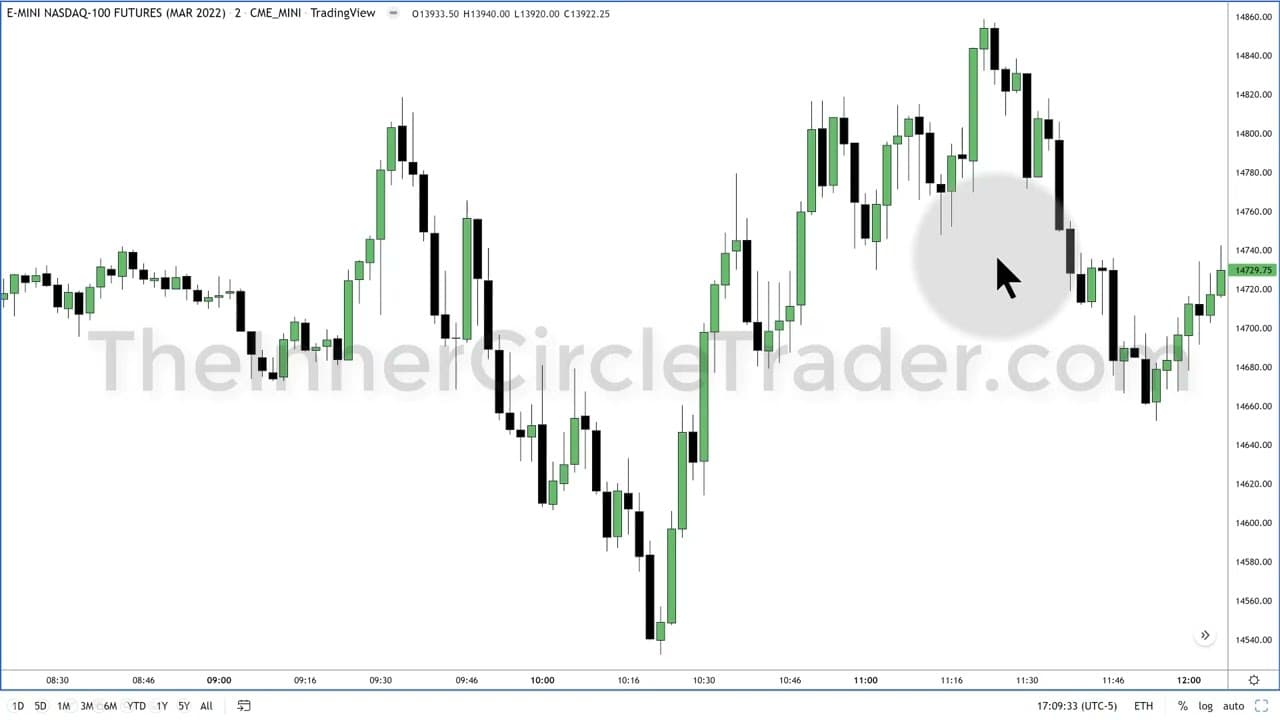
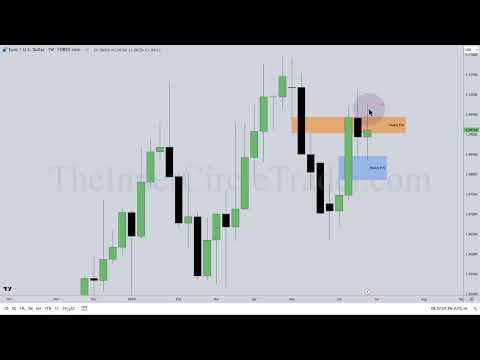
Market structure shifts are crucial for identifying potential trading opportunities. By analyzing liquidity points and the behavior of high-frequency trading algorithms, traders can anticipate shifts without forcing trades. This involves observing the interactions of price with liquidity pools, such as buy and sell stops, and understanding the significance of fair value gaps.
Transcript
all right folks welcome back all right so this is the tuesday january 25th 2022 ict mentorship on the youtube channel all right so this is the internal range liquidity and market structure shift lecture all right so i gave you homework on the community tab if you have not been paying attention to that that's where i'm kind of keeping you abreast as... Read More
Key Insights
- Market structure shifts occur when price moves in a way that indicates a potential change in trend direction.
- Liquidity points, such as buy and sell stops, are key areas where market structure shifts can occur.
- High-frequency trading algorithms play a significant role in creating and reacting to market structure shifts.
- A fair value gap is a price range where a previous price move left an imbalance, indicating potential future price movement.
- Order blocks are areas where high-frequency trading algorithms have shown interest, often indicating potential price reversals.
- Understanding the difference between market structure shifts and breaks is crucial for intraday trading strategies.
- Backtesting and logging trades are essential practices for developing a robust trading strategy.
- The concept of internal range liquidity involves identifying short-term highs and lows within a price leg.
Install to Summarize YouTube Videos and Get Transcripts
Explore YouTube Video Summarizer or Get YouTube Transcript Extractor
Questions & Answers
Q: How to identify a market structure shift?
A market structure shift is identified by observing changes in price movement that suggest a potential change in trend direction. This can occur when price interacts with liquidity points, such as buy and sell stops, indicating a shift in market sentiment. Traders look for these shifts to anticipate potential trading opportunities.
Q: What is the role of high-frequency trading algorithms in market structure shifts?
High-frequency trading algorithms significantly impact market structure shifts by creating and reacting to liquidity points. These algorithms execute trades at high speeds, influencing price movements and creating opportunities for traders to identify potential shifts in market structure.
Q: What is a fair value gap and why is it important?
A fair value gap is a price range where a previous price move left an imbalance, often indicating potential future price movement. This gap can act as a magnet for price, as the market seeks to fill the imbalance, providing traders with potential entry or exit points.
Q: How do order blocks relate to market structure shifts?
Order blocks are areas on a chart where high-frequency trading algorithms have shown significant interest, often indicating potential price reversals. These blocks are crucial for identifying market structure shifts, as they highlight areas where price is likely to react and potentially change direction.
Q: What is the difference between a market structure shift and a break?
A market structure shift suggests a change in trend direction within a shorter timeframe, often intraday, without necessarily breaking the overall market structure. A market structure break, on the other hand, indicates a more significant and prolonged change in market direction, affecting longer-term trends.
Q: Why is backtesting important in trading?
Backtesting is crucial for developing a robust trading strategy, as it allows traders to analyze past market behavior and gain insights into potential future price movements. By logging trades and reviewing historical data, traders can refine their strategies and improve decision-making processes.
Q: What is internal range liquidity?
Internal range liquidity involves identifying short-term highs and lows within a price leg, which serve as potential points of interest for market structure shifts. By analyzing these liquidity points, traders can anticipate potential price movements and align their strategies accordingly.
Q: How can traders anticipate market structure shifts without forcing trades?
Traders can anticipate market structure shifts by observing liquidity points and the behavior of high-frequency trading algorithms. By understanding how price interacts with buy and sell stops and recognizing the significance of fair value gaps, traders can wait for the market to show its hand before entering trades.
Summary & Key Takeaways
-
Market structure shifts are identified by observing liquidity points and the behavior of high-frequency trading algorithms. By understanding how price interacts with buy and sell stops, traders can anticipate potential shifts without forcing trades. Fair value gaps and order blocks are critical concepts in this analysis.
-
Liquidity points, such as buy and sell stops, are key areas where market structure shifts can occur. High-frequency trading algorithms play a significant role in creating and reacting to these shifts, making it important for traders to understand their impact on price movement.
-
Backtesting and logging trades are essential practices for developing a robust trading strategy. By analyzing past market behavior, traders can gain insights into potential future price movements and improve their decision-making processes.
Read in Other Languages (beta)
Share This Summary 📚
Summarize YouTube Videos and Get Video Transcripts with 1-Click
Try YouTube Summary with ChatGPT & Claude or YouTube Transcript Generator
Explore More Summaries from The Inner Circle Trader 📚


Summarize YouTube Videos and Get Video Transcripts with 1-Click
Try YouTube Summary with ChatGPT & Claude or YouTube Transcript Generator