'Purpose for Evil': Antifreeze Killer Mark Jensen Locked Up For Life Without Parole in Wife's Murder
TL;DR
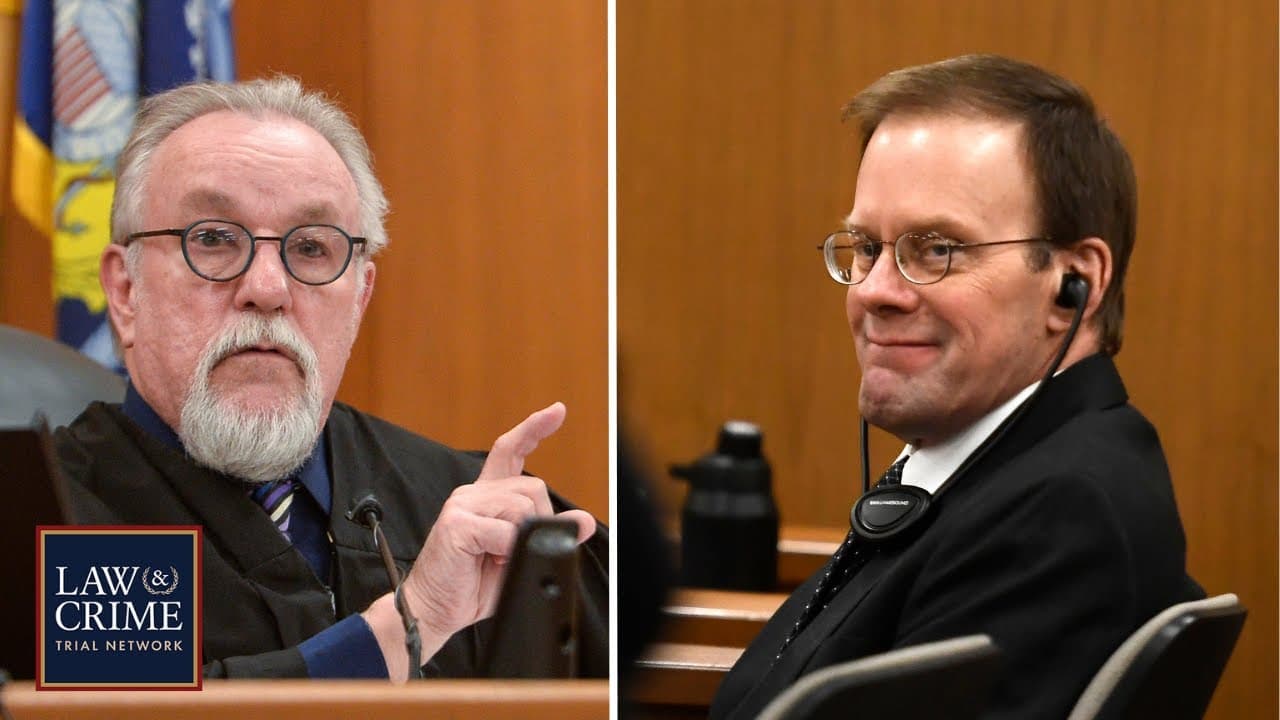
After a 25-year trial, defendant sentenced to life without parole for murdering his wife.
Transcript
well this was a long trial and I I counted the war deer days because obviously we were here working if you didn't pick the jury it took a while I think it took us up to Wednesday to get a jury so I have 19 days I don't have three weeks I have almost four weeks the next comment I want to make of I'm not going to hold it against the defendant that he... Read More
Key Insights
- ❓ Lengthy legal trials require thorough consideration of evidence and legal complexities.
- 😣 Serious crimes like first-degree intentional homicide demand severe penalties such as life imprisonment.
- 💌 Evidence, including recorded conversations and email exchanges, plays a crucial role in determining guilt.
- 😄 Balancing a defendant's plea for parole with the need for public safety and justice poses significant challenges.
- 🧑⚖️ Judges must consider the victim's suffering, the impact on families, and the gravity of the crime in sentencing decisions.
- 🖤 The lack of remorse, deceptive behavior, and manipulative actions of the defendant contribute to the severity of the punishment.
- 🖐️ Trial proceedings, character assessment, and sentencing factors all play pivotal roles in determining the outcome of a criminal case.
Install to Summarize YouTube Videos and Get Transcripts
Explore YouTube Video Summarizer or Get YouTube Transcript Extractor
Questions & Answers
Q: Why was the trial prolonged, and how did the judge justify the length?
The trial lasted nearly four weeks due to legal complexities and the seriousness of the charges. The judge emphasized that such cases require thorough examination and consideration before reaching a verdict.
Q: What were the sentencing factors considered by the judge in deciding the defendant's fate?
The severity of the offense, including first-degree intentional homicide, led to a sentence of life imprisonment without the possibility of parole. The defendant's character, lack of criminal record, and trial proceedings were also taken into account.
Q: What evidence convinced the judge of the defendant's guilt beyond a reasonable doubt?
The evidence included recorded conversations plotting the crime, email exchanges related to poisoning research, and the defendant's deceptive behavior during police interviews. The judge found the evidence overwhelming in proving the defendant's culpability.
Q: How did the judge balance the defendant's desire for parole with the need for justice for the victim and public safety?
Despite the defendant's plea for parole after 20 years, the judge prioritized the gravity of the crime and the victim's suffering. Protecting the public from potential harm and ensuring justice for the victim weighed heavily in the decision to deny parole.
Summary & Key Takeaways
-
Judge reflects on the lengthy trial that took almost four weeks to reach a verdict.
-
Defendant sentenced to life in prison without parole for first-degree intentional homicide.
-
Evidence of the defendant's guilt included recorded conversations, email exchanges, and dishonesty about the crime.
Read in Other Languages (beta)
Share This Summary 📚
Summarize YouTube Videos and Get Video Transcripts with 1-Click
Try YouTube Summary with ChatGPT & Claude or YouTube Transcript Generator
Explore More Summaries from Law&Crime Network 📚




Summarize YouTube Videos and Get Video Transcripts with 1-Click
Try YouTube Summary with ChatGPT & Claude or YouTube Transcript Generator