The Forbidden Practice of Self-Mummification
TL;DR
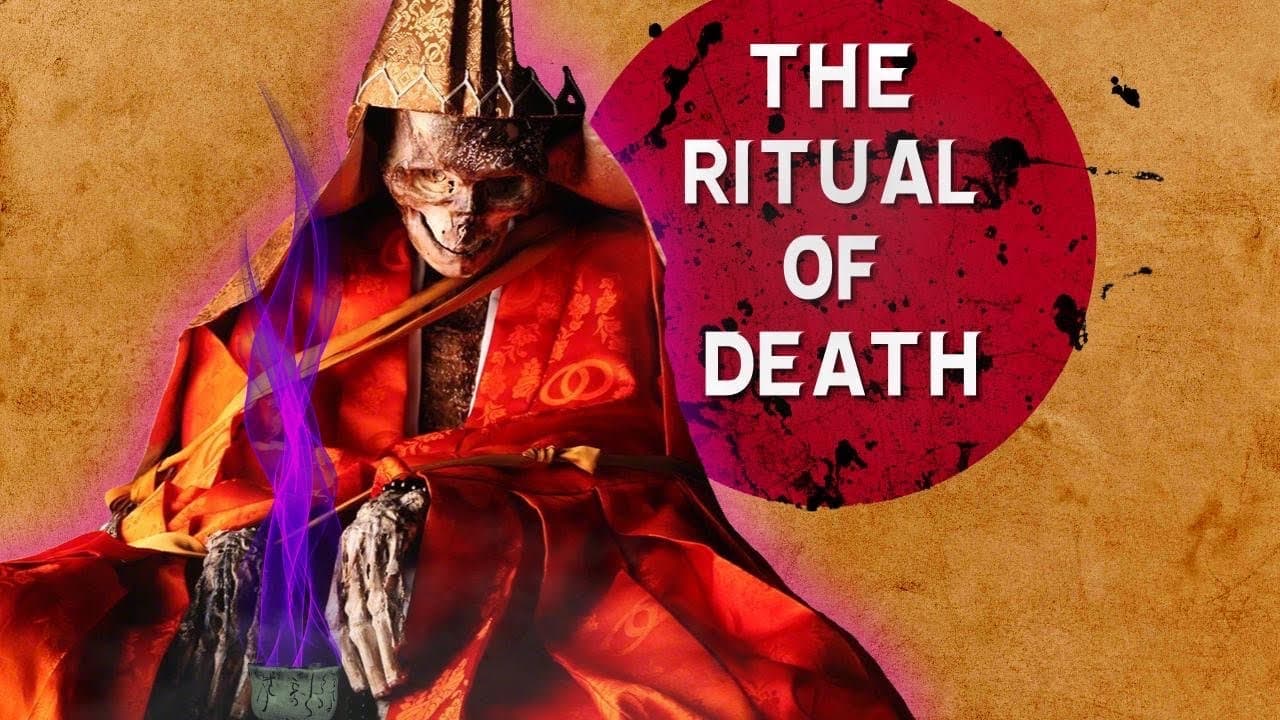
Self-mummification, a rare practice in Buddhism, involves extreme fasting and meditation to achieve spiritual enlightenment.
Transcript
throughout all of Humanity's history several rare and unique ceremonies and rituals have been practiced by people all over the globe for reasons ranging from culture or country or as we're going to be talking about today religion and perhaps one of the most interesting and morbid practices ever recorded is that of self-mummification in Japan's nort... Read More
Key Insights
- 🙈 Self-mummification is a rare and morbid practice within Buddhism, carried out by select groups of monks in Japan.
- 🧘 The process involves extreme fasting, meditation, and burial alive, with the aim of achieving spiritual enlightenment and mummification while still alive.
- 👨 The diet of tree bark and pine needles removes fats from the body and starves bacteria, preventing decomposition after death.
- 🤳 Self-mummification is seen as an act of self-sacrifice and a way to atone for humanity's suffering.
- ❓ The practice is not representative of Buddhism as a whole and is unique to the shugendo sect which draws inspiration from various religions.
- 🤳 Only a small number of individuals have successfully self-mummified, with the last confirmed case occurring in 1903.
- 🙈 The well-preserved bodies of self-mummified monks are considered sacred and are worshipped in temples.
Install to Summarize YouTube Videos and Get Transcripts
Explore YouTube Video Summarizer or Get YouTube Transcript Extractor
Questions & Answers
Q: What is self-mummification?
Self-mummification is a practice where Buddhist monks in Japan undergo extreme fasting and live on a diet of tree bark and pine needles to achieve spiritual enlightenment and mummify their bodies while alive.
Q: How does self-mummification work?
The process starts with a diet of foraged food to remove fats from the body and starve bacteria. The monks then undergo several cycles of fasting and meditation, before being buried alive in a cramped pine box. They ring a bell to indicate they are still alive. If successful, their bodies are preserved and worshipped as mummified saints.
Q: How many people have successfully self-mummified?
Historically, around 17 to 30 people have successfully self-mummified. However, many more people attempted the process but failed, often dying during the preparation stages.
Q: Is self-mummification still practiced today?
Self-mummification was officially banned by Emperor Meiji in 1879, and the last confirmed successful case occurred in 1903. However, it is possible that some individuals may still attempt the process in secret.
Key Insights:
- Self-mummification is a rare and morbid practice within Buddhism, carried out by select groups of monks in Japan.
- The process involves extreme fasting, meditation, and burial alive, with the aim of achieving spiritual enlightenment and mummification while still alive.
- The diet of tree bark and pine needles removes fats from the body and starves bacteria, preventing decomposition after death.
- Self-mummification is seen as an act of self-sacrifice and a way to atone for humanity's suffering.
- The practice is not representative of Buddhism as a whole and is unique to the shugendo sect which draws inspiration from various religions.
- Only a small number of individuals have successfully self-mummified, with the last confirmed case occurring in 1903.
- The well-preserved bodies of self-mummified monks are considered sacred and are worshipped in temples.
- The practice of self-mummification shares some similarities with other religious practices, such as Catholicism's incorruptible saints.
Summary & Key Takeaways
-
Self-mummification is a practice carried out by select groups of Buddhist monks in Japan's northern mountains.
-
The process involves extreme fasting, living on a diet of tree bark and pine needles, to remove fats from the body and starve bacteria.
-
The monks then enter a state of meditation while buried alive, hoping to reach a state of perpetual meditation and spiritual enlightenment.
Read in Other Languages (beta)
Share This Summary 📚
Summarize YouTube Videos and Get Video Transcripts with 1-Click
Try YouTube Summary with ChatGPT & Claude or YouTube Transcript Generator
Explore More Summaries from Wendigoon 📚


Summarize YouTube Videos and Get Video Transcripts with 1-Click
Try YouTube Summary with ChatGPT & Claude or YouTube Transcript Generator