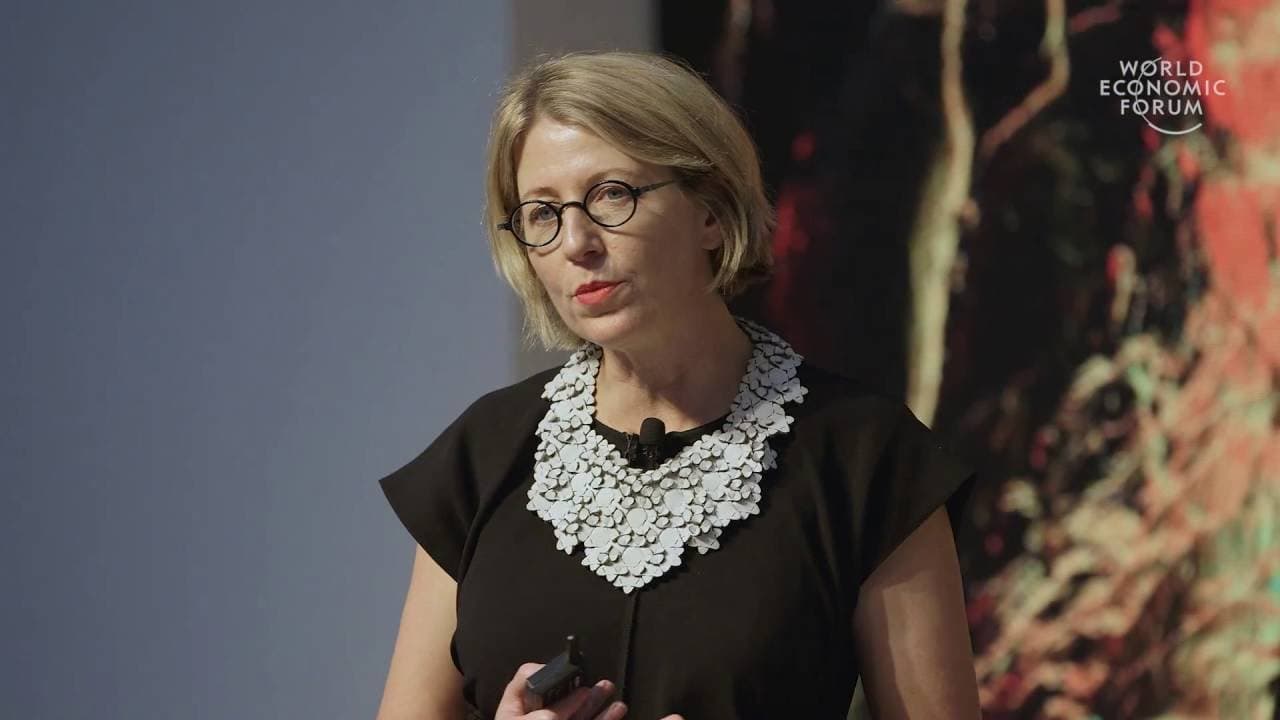
Visonary Art Digital World | Sarah Kenderdine
TL;DR
Creating digital experiences to preserve cultural heritage and engage audiences in immersive narratives.
Transcript
you my work focuses on designing a series of experimental interfaces for museums that transforms cultural heritage data into narratives of engagement this allows audiences to rediscover and reinvent ancient city's cultural objects and practices disembodied musi as i call it is defined by the attributes of immersion interaction and participation and... Read More
Key Insights
- ❓ Experimental interfaces utilize hardware and software engineering to create immersive museum experiences.
- 💆 Climate change and mass tourism pose threats to cultural heritage sites worldwide.
- ❓ Digital imaging technologies enhance visualization and preservation of cultural artifacts.
- ✖️ Innovative interfaces focus on multi-sensory engagement and interactive storytelling.
- 😒 The use of high-quality facsimiles and immersive experiences challenges traditional museum practices.
- 🥰 Collaborative art projects transform historical sites into digital representations for public engagement.
- 🇭🇰 Documentation projects like the Hong Kong kung fu living archive preserve intangible heritage through motion capture technology.
Install to Summarize YouTube Videos and Get Transcripts
Explore YouTube Video Summarizer or Get YouTube Transcript Extractor
Questions & Answers
Q: How do experimental interfaces in museums transform cultural heritage data?
Experimental interfaces in museums use innovative technology to convert cultural heritage data into immersive narratives that engage audiences. By utilizing hardware and software engineering, these interfaces create interactive experiences that redefine how people interact with museum artifacts.
Q: What threats does cultural heritage face in contemporary times?
Cultural heritage is under threat from various issues like climate change, mass tourism, and political motives leading to destruction. These challenges require innovative solutions to preserve and showcase cultural objects and practices effectively.
Q: How do digital imaging technologies contribute to creating immersive museum experiences?
Digital imaging technologies like laser scanning allow for the detailed representation of artifacts and locations. By capturing high-resolution images and 3D models, these technologies enable viewers to explore cultural objects in ways that were previously impossible, enhancing the museum experience.
Q: How do experimental interfaces in museums impact audience engagement?
Experimental interfaces in museums focus on multi-sensory engagement and interactive storytelling, fostering human-to-human and human-to-machine interactions. By offering new ways to experience cultural heritage, these interfaces aim to reshape the traditional museum visit into a more profound and unforgettable experience.
Summary & Key Takeaways
-
Experimental interfaces for museums transform heritage data into engaging narratives.
-
Cultural heritage faces threats like climate change and mass tourism.
-
Digital imaging technologies enhance visualization and storytelling in museums.
Read in Other Languages (beta)
Share This Summary 📚
Summarize YouTube Videos and Get Video Transcripts with 1-Click
Try YouTube Summary with ChatGPT & Claude or YouTube Transcript Generator
Explore More Summaries from World Economic Forum 📚
Summarize YouTube Videos and Get Video Transcripts with 1-Click
Try YouTube Summary with ChatGPT & Claude or YouTube Transcript Generator