Japan Responds to Gwen Stefani Controversy
TL;DR
Gwen Stefani's statement about being Japanese sparks debate over cultural appropriation and appreciation.
Transcript
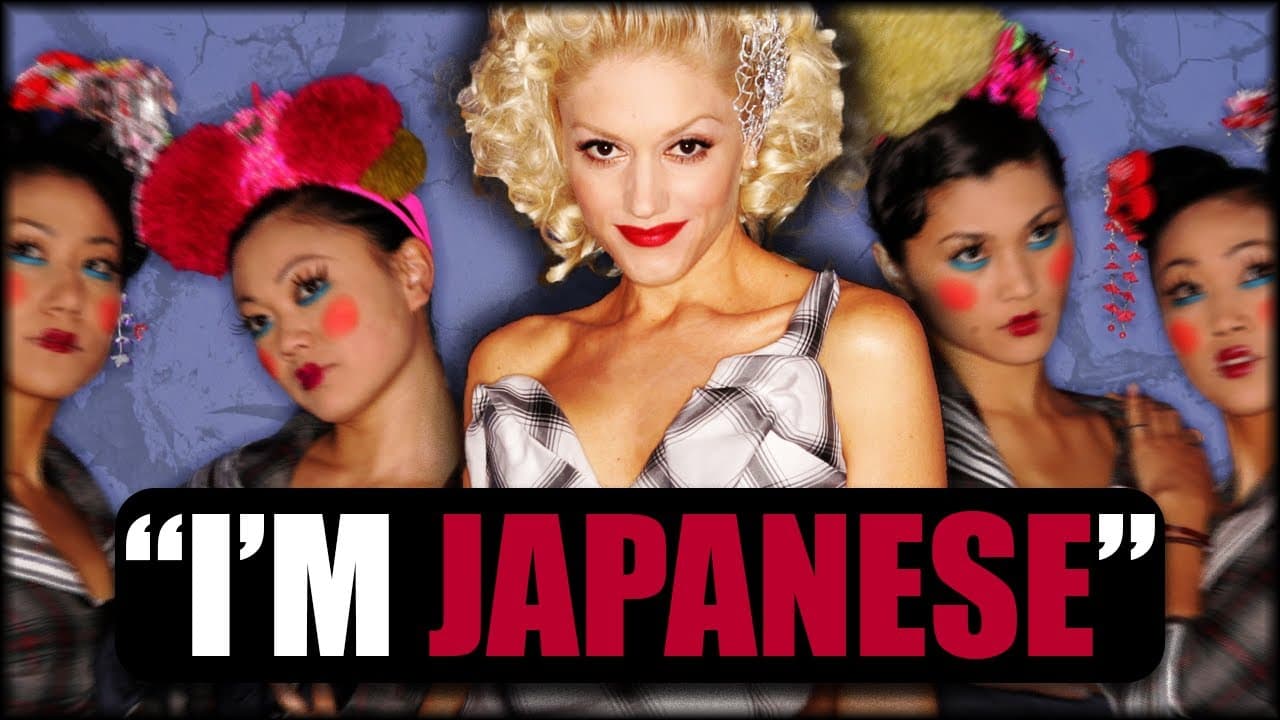
yesterday Gwen Stefani was in the news after she made a controversial statement in an interview claiming I am Japanese the response was as you could expect Gwen Stefani faces backlash Gwen Stefani enrages Twitter if you didn't know Gwen Stefani has had a long-standing love for Japan she even had a Harajuku face where she hired four Japanese backup ... Read More
Key Insights
- 🛄 Gwen Stefani's claim highlights ongoing debates surrounding cultural appropriation, particularly within the context of celebrity culture.
- 👹 Online reactions from Japanese citizens largely favor appreciation over appropriation, showcasing a different cultural perspective on admiration and influence.
- 💱 The conversation around cultural appropriation can vary significantly between Western and Eastern perspectives, particularly in the context of historical cultural exchanges.
- 🤗 Critics of cultural appropriation emphasize the need for understanding and respect towards original cultures, while advocates argue for a more open exchange of cultural influences.
- 🥰 Social media serves as a platform for diverse opinions, allowing voices from within the culture being discussed to be heard directly.
- 🖤 Many criticize those opposing Stefani's statements as lacking genuine ties to the culture, suggesting that outrage may not always reflect the feelings of the affected communities.
- 🫥 There exists a fine line between appropriation and appreciation, and individuals from different backgrounds can interpret these concepts in varied ways.
Install to Summarize YouTube Videos and Get Transcripts
Explore YouTube Video Summarizer or Get YouTube Transcript Extractor
Questions & Answers
Q: What sparked the controversy regarding Gwen Stefani's statement?
Gwen Stefani stated in an interview, "I am Japanese," which many viewed as culturally insensitive. This led to heated discussions online and in the media about cultural appropriation versus cultural appreciation, especially considering her past collaborations with Japanese artists and style influences.
Q: How have Japanese listeners responded to Gwen Stefani's remarks?
The majority of Japanese responses seem to be supportive rather than critical. Many express appreciation for Stefani's admiration of Japanese culture, arguing that her love for Japan and its influence on her work should not be viewed negatively. There appears to be a notable difference between cultural appreciation and appropriation, especially from those who appreciate her connection to Japan.
Q: What are the key elements of cultural appropriation that critics often highlight?
Critics of cultural appropriation often focus on issues such as power dynamics, where one culture exploits elements of another, typically a marginalized group. Additionally, they emphasize instances where cultural symbols are used without proper understanding or respect, potentially trivializing the original culture's significance and experiences.
Q: How do supporters of Gwen Stefani argue against claims of cultural appropriation?
Supporters argue that embracing and enjoying another culture, as Stefani does, should not be seen as appropriation if the intention is respectful admiration. They mention that cultural exchange has been commonplace throughout history, and many Japanese individuals appreciate Stefani's positive influence and recognition of their culture.
Q: What historical context do some Japanese Tweeters provide regarding cultural borrowing?
Some Japanese commenters pointed out that cultural borrowing has occurred in their history for centuries, emphasizing that Japan has always taken inspiration from foreign cultures, adapted it, and made it uniquely their own. They argue this should be viewed in a positive light rather than as cultural appropriation.
Q: What is the general sentiment about cultural appropriation in Japan, according to the comments?
The general sentiment appears to be that many in Japan do not strongly adhere to the concept of cultural appropriation as it's often discussed in Western contexts. Japanese individuals often express gratitude for interest in their culture instead of viewing it defensively, suggesting a more fluid approach to cultural exchange.
Summary & Key Takeaways
-
Gwen Stefani faced backlash after stating in an interview, "I am Japanese," leading to discussions on cultural appropriation versus appreciation, especially concerning her past affinity for Japanese culture.
-
Many Japanese individuals, sharing their thoughts online, appeared not to take offense, often welcoming her admiration and expressing that they appreciate her love for Japan, contrary to the criticisms she received.
-
The concept of cultural appropriation is debated, with some arguing it is acceptable to embrace and celebrate elements of different cultures if done respectfully, while others view it through a critical lens of appropriation.
Read in Other Languages (beta)
Share This Summary 📚
Summarize YouTube Videos and Get Video Transcripts with 1-Click
Try YouTube Summary with ChatGPT & Claude or YouTube Transcript Generator
Explore More Summaries from Japanalysis 📚





Summarize YouTube Videos and Get Video Transcripts with 1-Click
Try YouTube Summary with ChatGPT & Claude or YouTube Transcript Generator