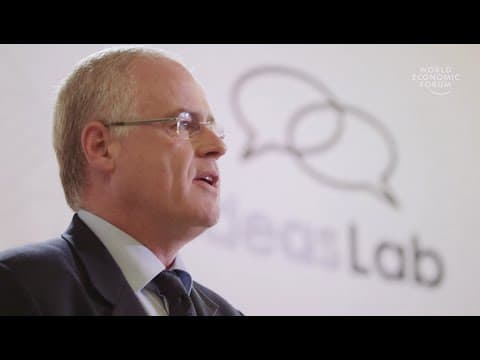
China 2015 - What If: Anyone Can Edit the Human Genome?

TL;DR
Panel discusses the ethical implications of human genome editing fueled by new CRISPR technology.
Transcript
my microphone is live that's good well welcome everyone to the session which we are now formally calling what if anyone can edit the human genome and the question you know it's an interesting why asked that question today because we could have asked it last year or two years ago or 10 years ago 15 years ago and the reason I think it becomes topical... Read More
Key Insights
- 🤨 Genome editing raises ethical and regulatory challenges, requiring global collaboration for informed decision-making.
- 💖 CRISPR technology's accessibility and specificity have sparked debate on therapeutic versus enhancement applications.
- 🌸 Concerns over unintended consequences, loss of biodiversity, and genetic privacy highlight the need for prudent and democratic deliberation.
- 💠 Public engagement, scientific transparency, and ethical conduct are vital in shaping guidelines for responsible genome editing practices.
- 🌍 International leadership and consensus-building can establish ethical norms and standards to govern genome editing technologies.
- ❓ Considerations of biological identity and evolutionary impacts underscore the complex ethical implications of genome editing.
- 🌍 Ethical discourse on genome editing navigates between real-world applications and hypothetical concerns to foster informed decision-making.
Install to Summarize YouTube Videos and Get Transcripts
Explore YouTube Video Summarizer or Get YouTube Transcript Extractor
Questions & Answers
Q: How has the accessibility of CRISPR technology changed the landscape of human genome editing?
The democratization of CRISPR technology has made genome editing more accessible, raising concerns about ethical implications and the need for robust regulatory frameworks to govern its use.
Q: What are the inherent challenges in editing human genomes, especially in germline cells?
Editing germline cells poses the risk of long-lasting, heritable consequences and potential loss of biodiversity, warranting careful consideration of unintended consequences and ethical implications.
Q: How can democratic deliberation and public engagement shape the discourse on genome editing?
Engaging stakeholders through democratic deliberation can ensure a comprehensive discussion on ethical, scientific, and societal implications, guiding the development of appropriate regulations and standards.
Q: How can the international community collaborate to establish ethical guidelines for human genome editing?
International organizations, scientific entities, and public engagement can collectively establish ethical guidelines to address concerns of privacy, individual choice, and potential misuse of genome editing technologies.
Summary & Key Takeaways
-
Experts discuss implications of human genome editing facilitated by CRISPR technology.
-
Debate focuses on separating fantastical "what ifs" from potential real-world applications.
-
Concerns raised include ethical, regulatory, and societal impact of heritable genome edits on future generations.
Read in Other Languages (beta)
Share This Summary 📚
Summarize YouTube Videos and Get Video Transcripts with 1-Click
Try YouTube Summary with ChatGPT & Claude or YouTube Transcript Generator
Explore More Summaries from World Economic Forum 📚
Summarize YouTube Videos and Get Video Transcripts with 1-Click
Try YouTube Summary with ChatGPT & Claude or YouTube Transcript Generator