How Does Optimism Impact Economic Growth?
TL;DR
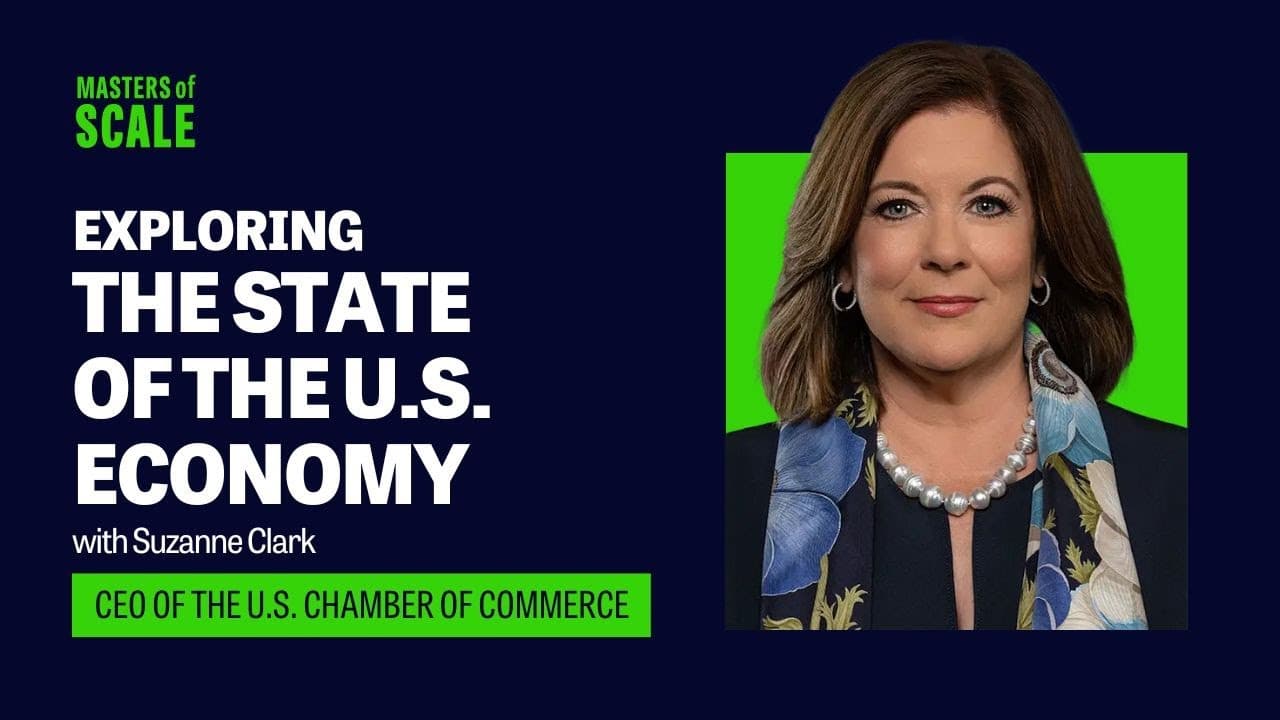
Optimism is a fundamental driver of economic growth, as it encourages businesses to take risks and innovate. Despite economic challenges, many business leaders remain hopeful about future opportunities. This optimism contrasts with consumer concerns about inflation and economic uncertainty, highlighting a complex economic landscape.
Transcript
did you see what just happened in the pandemic did you see how we came together do you see what's happening in the economy and yet you have politicians in both parties just bashing business all the time what's at stake for our country is are we going to preserve a messy flawed system that's the best system in the world and keep making it better are... Read More
Key Insights
- Optimism is a key driver for businesses, encouraging risk-taking and innovation.
- There is a disconnect between consumer pessimism and business optimism.
- Economic challenges such as inflation and housing shortages impact consumer sentiment.
- Geopolitical uncertainties, like international conflicts, affect global supply chains.
- The U.S. Chamber of Commerce advocates for free enterprise as a solution to economic issues.
- Effective communication between the U.S. and China is crucial for economic stability.
- Regulatory overreach by the U.S. government is a concern for businesses.
- Businesses face challenges in addressing social and cultural issues in the workplace.
Install to Summarize YouTube Videos and Get Transcripts
Explore YouTube Video Summarizer or Get YouTube Transcript Extractor
Questions & Answers
Q: How does optimism drive economic growth?
Optimism drives economic growth by encouraging businesses to innovate, take risks, and invest in new opportunities. This positive outlook helps foster an environment where companies are willing to expand and explore new markets, ultimately leading to increased productivity and economic development. Even in challenging times, a hopeful perspective can sustain momentum and inspire confidence in the economy.
Q: Why is there a disconnect between consumer and business optimism?
The disconnect between consumer and business optimism arises from differing perspectives on economic conditions. While businesses may focus on long-term growth opportunities and innovation, consumers often experience immediate challenges like inflation, housing shortages, and rising costs. This can lead to a more pessimistic view among consumers, contrasting with the generally optimistic outlook of business leaders who focus on future potential.
Q: What are the key economic challenges highlighted in the video?
Key economic challenges include inflation, housing shortages, geopolitical tensions, and regulatory overreach by the government. These factors contribute to consumer concerns about economic stability and impact businesses' ability to plan and operate effectively. Additionally, international conflicts and supply chain disruptions add to the uncertainty faced by businesses in the global market.
Q: How does geopolitical uncertainty affect businesses?
Geopolitical uncertainty affects businesses by disrupting global supply chains, increasing costs, and creating an unpredictable environment for international trade. Conflicts and tensions between countries can lead to delays, additional expenses, and challenges in maintaining stable business operations. This uncertainty can hinder investment and growth, as businesses are wary of the risks associated with volatile geopolitical landscapes.
Q: Why is communication between the U.S. and China important for economic stability?
Communication between the U.S. and China is crucial for economic stability because it helps manage trade relations, reduce tensions, and address issues like intellectual property theft and regulatory challenges. Open dialogue fosters mutual understanding and cooperation, which are essential for maintaining stable economic interactions between two of the world's largest economies. Effective communication can prevent misunderstandings and promote a collaborative approach to global economic challenges.
Q: What concerns do businesses have about regulatory overreach?
Businesses are concerned about regulatory overreach because it can stifle innovation, increase operational costs, and create uncertainty in the market. Excessive regulations may hinder mergers and acquisitions, limit growth opportunities, and impose burdens that disproportionately affect smaller businesses. Companies seek a balanced regulatory environment that protects consumers and ensures fair competition without unnecessarily restricting business activities.
Q: How are businesses addressing social and cultural issues in the workplace?
Businesses are navigating social and cultural issues by fostering inclusive environments, supporting diversity initiatives, and encouraging respectful dialogue among employees. However, they face challenges in balancing these efforts with maintaining focus and productivity. Companies are learning to provide spaces for individual expression while ensuring that workplace dynamics remain professional and conducive to achieving organizational goals.
Q: What role does the free enterprise system play in solving economic issues?
The free enterprise system plays a vital role in solving economic issues by promoting innovation, competition, and efficient resource allocation. It encourages entrepreneurship and allows market forces to drive economic growth and development. By fostering a dynamic and adaptable economic environment, the free enterprise system helps address challenges like unemployment, technological advancement, and access to goods and services, ultimately contributing to overall economic prosperity.
Summary & Key Takeaways
-
Optimism fuels economic growth by encouraging businesses to innovate and take risks. Despite challenges like inflation and geopolitical uncertainties, business leaders remain hopeful. However, consumer concerns about economic stability highlight a complex landscape.
-
Geopolitical tensions and regulatory overreach pose significant challenges for businesses. Effective communication between countries like the U.S. and China is essential for maintaining economic stability and fostering global trade relations.
-
The U.S. Chamber of Commerce emphasizes the importance of the free enterprise system in solving economic issues. Business leaders must balance addressing social and cultural issues with maintaining organizational focus and productivity.
Read in Other Languages (beta)
Share This Summary 📚
Summarize YouTube Videos and Get Video Transcripts with 1-Click
Try YouTube Summary with ChatGPT & Claude or YouTube Transcript Generator
Explore More Summaries from Masters of Scale 📚

Summarize YouTube Videos and Get Video Transcripts with 1-Click
Try YouTube Summary with ChatGPT & Claude or YouTube Transcript Generator