Structuring Peer Interactions for Massive Scale Learning
TL;DR
Online education provides an opportunity to reach a diverse population of learners, and computational systems can be used to adapt effective learning mechanisms from traditional classrooms for large-scale online classes.
Transcript
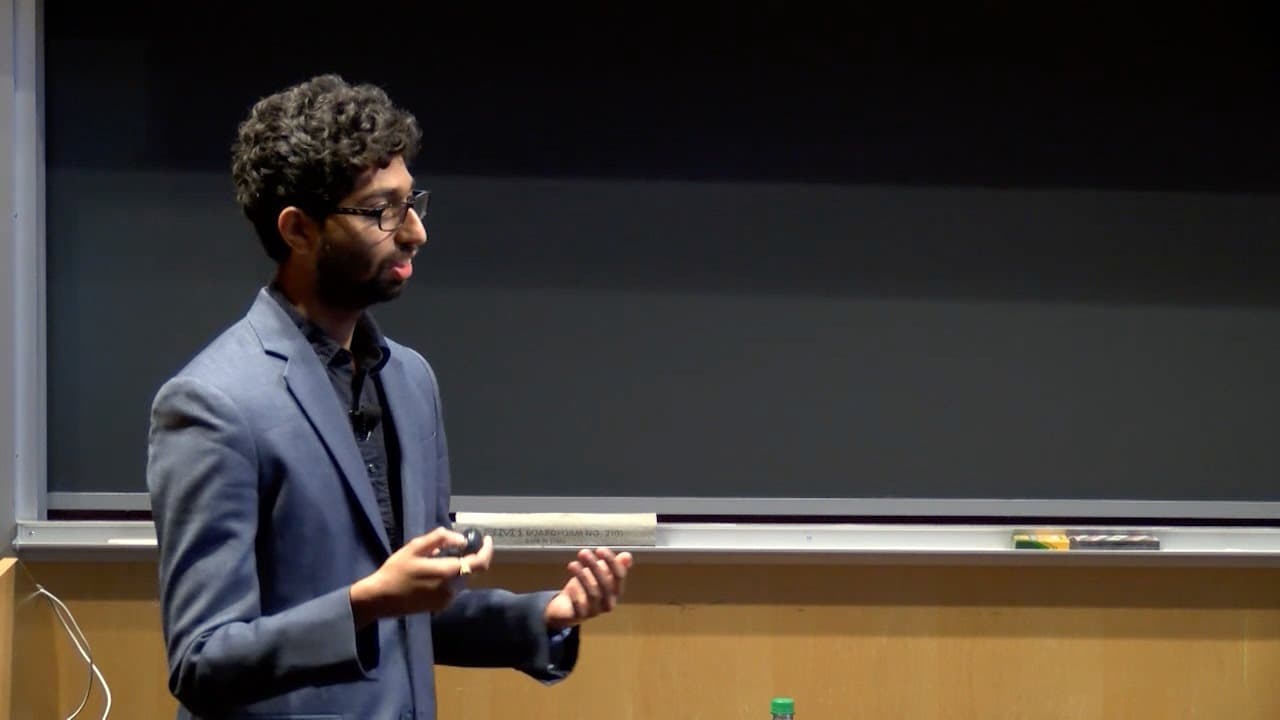
what I want to talk to you about today is how we can take our what we know how best students learn in in-person classroom and see how we can very computational systems that scale these learning practices for tens of thousands of students online and towards the end of the talk we will see how we can bring solve those new discoveries in the online wo... Read More
Key Insights
- 🧑🎓 Online classes attract a diverse population of learners, beyond traditional college students, providing an opportunity to reach a broader audience.
- 🧑 Computational systems can adapt successful learning mechanisms from in-person classrooms to scale them for large online classes.
- 🏛️ Peer assessment can be challenging in online classes, but techniques like calibration and modeling bias can improve accuracy and fairness.
- 🤔 Diversity in discussion groups promotes deeper learning by exposing students to different perspectives and encouraging conscious and effortful thinking.
- 🏛️ Quick and frequent feedback, along with opportunities for revision, can improve learning outcomes in online classes.
- 🧑🎓 Computational systems can help provide scalable and personalized learning experiences to students in online education.
- 💁 Leveraging the global nature of online classes can lead to new forms of learning and teaching, such as involving online students in in-person discussions or collaborations.
Install to Summarize YouTube Videos and Get Transcripts
Explore YouTube Video Summarizer or Get YouTube Transcript Extractor
Questions & Answers
Q: Why are online classes able to attract a broader population of learners compared to traditional classrooms?
Online classes provide flexibility and accessibility, allowing anyone with an internet connection to enroll. This attracts learners who may have full-time jobs, mobility constraints, or other factors that prevent them from attending in-person classes.
Q: How can computational systems help in scaling learning practices for online education?
Computational systems can adapt effective learning mechanisms from traditional classrooms, such as providing feedback, leveraging diverse perspectives, and encouraging revision. These systems can handle large enrollments and provide personalized learning experiences to students.
Q: What are some challenges faced in peer assessment in online classes?
One challenge is ensuring consistency in peer assessments, as students may interpret rubrics differently. Another challenge is potential biases in grading, such as grading students from different countries lower. Techniques like calibration and modeling bias can help improve the accuracy and fairness of peer assessments.
Q: How does diversity in discussion groups benefit learning in online classes?
Diversity in discussion groups exposes learners to different perspectives, promotes deeper thinking, and enhances retention. By interacting with classmates from diverse backgrounds, students gain knowledge of global contexts and learn to think more consciously and critically.
Summary & Key Takeaways
-
Online classes have attracted a broad population of learners, including those who are not traditional college students and have diverse backgrounds and constraints.
-
The challenge is how to effectively teach tens of thousands of students in online classes, which led to the development of computational systems that adapt proven learning mechanisms for online learning.
-
Three case studies are discussed, which explore providing students with feedback, leveraging diversity in discussions, and enabling efficient revision processes.
Read in Other Languages (beta)
Share This Summary 📚
Summarize YouTube Videos and Get Video Transcripts with 1-Click
Try YouTube Summary with ChatGPT & Claude or YouTube Transcript Generator
Explore More Summaries from Harvard University 📚





Summarize YouTube Videos and Get Video Transcripts with 1-Click
Try YouTube Summary with ChatGPT & Claude or YouTube Transcript Generator