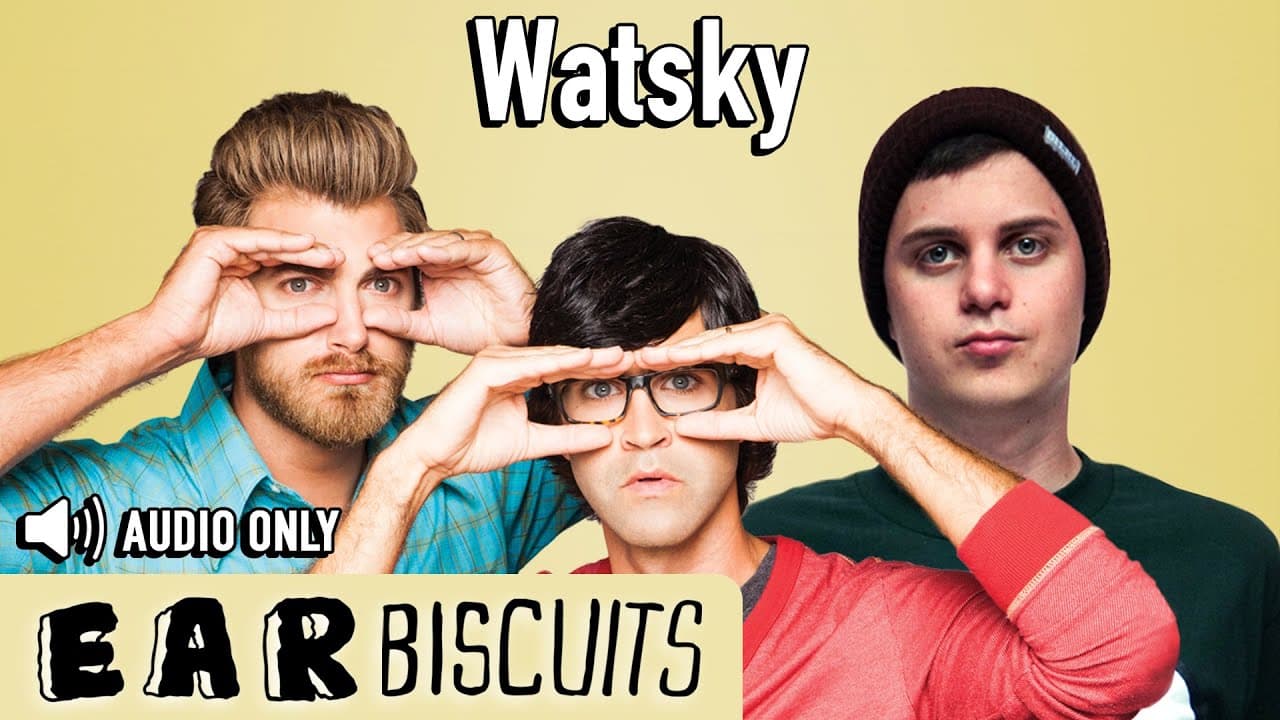
Watsky: How I Got Here (Aug 2014)
TL;DR
George Watsky discusses his journey in hip-hop, addressing authenticity and viral success.
Transcript
welcome to ear biscuits i'm rhett and i'm link this week at the round table of dim lighting we have george watsky award-winning slam poet and rapper uh he's been climbing the charts both with the release of his new album all you can do and his ever growing youtube channel watsky exclamation point yes george's first claim to fame was being featured ... Read More
Key Insights
- ❓ Watsky's blend of humor and serious themes creates a unique narrative contrast in his artistry.
- 💨 His viral success brought rapid recognition but also presented challenges in redefining his identity beyond the "fast rapper" label.
- 💄 Watsky addresses personal struggles, such as epilepsy, openly, making them a part of his narrative and promoting awareness.
- 🥳 His commitment to authenticity leads him to critique the superficiality present in parts of the entertainment industry.
- 🎼 The thoughtful packaging of his albums highlights his artistic dedication beyond the music, enhancing the consumer experience.
- 🎮 Collaborative relationships with filmmakers influence the creativity and direction of his music videos.
- 🤞 Watsky's insights on youth culture and hip-hop reflect a nuanced understanding of generational challenges and expectations.
Install to Summarize YouTube Videos and Get Transcripts
Explore YouTube Video Summarizer or Get YouTube Transcript Extractor
Questions & Answers
Q: What inspired George Watsky to pursue a career in slam poetry and hip-hop?
Watsky's journey into slam poetry began in high school when he discovered performance poetry, which he found captivating. He was already a fan of hip-hop, admiring artists like Eminem and Ludacris. He realized that spoken word allowed for personal expression while also appealing to a live audience. This blend of interests led him to pursue both art forms seriously.
Q: How does Watsky define authenticity in his music?
For Watsky, authenticity means being completely true to oneself and one's experiences in the music industry. He emphasizes the importance of honest storytelling in his lyrics, contrasting artists who propagate artificial images versus those who deliver genuine narratives. This authenticity, he believes, resonates more deeply with audiences.
Q: Can you explain the significance of the viral success of "Pale Kid Raps Fast" in Watsky's career?
The viral success of "Pale Kid Raps Fast" was a double-edged sword; while it brought Watsky instant recognition and opportunities, it also pigeonholed him as just a fast rapper. He expresses that while he's proud of the video, he struggled with the stigma associated and aimed to prove he was more than a gimmick through his evolving artistry and subsequent work.
Q: What was the reaction following Watsky's controversial stage dive incident?
Following his stage dive incident where audience members were injured, Watsky felt immense guilt and responsibility. He shared a heartfelt apology on social media, addressing the incident and its consequences, revealing his concern for the injured fans and his commitment to learn from the experience while maintaining transparency with his audience.
Q: How does Watsky approach his songwriting and performing?
Watsky approaches songwriting with a desire to engage and entertain while also sharing his truth. He values the interplay between performance and lyrical depth, always striving to create material that resonates on both personal and collective levels. His performances are crafted to maintain audience interest and incorporate humor as well.
Q: Why does Watsky express dissatisfaction with aspects of organized religion in his lyrics?
Watsky critiques organized religion for its elements of hypocrisy, particularly when leaders exploit their congregations for personal gain. While he respects individuals with genuine beliefs, he voices concern over those who espouse moral values yet engage in morally questionable behaviors. This skepticism toward hypocrisy informs his lyrical themes.
Q: How does Watsky feel about the labels attached to his identity as a rapper?
Watsky acknowledges the complexities of being labeled, particularly as a "fast rapper." While he appreciates the acknowledgment of his speed and skill, he aims to demonstrate that he is a multifaceted artist with diverse interests beyond rapid-fire delivery. He believes performing to a wider audience should not compromise his authenticity.
Q: What are Watsky's future plans in light of his experiences and challenges?
Watsky aims to grow as an artist by continuing to produce music that reflects his authentic self, pursue touring, and confront challenges such as managing his epilepsy and the scrutiny from his earlier choices. He looks to balance his artistry between entertainment and meaningful storytelling as he progresses in his career.
Summary & Key Takeaways
-
George Watsky rose to fame as a slam poet and rapper, gaining early recognition from HBO's Deaf Poetry and his viral video "Pale Kid Raps Fast," which showcased his unique speed-rapping ability.
-
He explores themes of authenticity in the music industry, addressing the challenges of being perceived as a gimmick and his desire to foster real connections with his audience through genuine storytelling in his lyrics.
-
Watsky candidly shares personal struggles, including his ongoing epilepsy battle and a controversial stage dive incident, reflecting on the lessons learned and the impact of these experiences on his artistry.
Read in Other Languages (beta)
Share This Summary 📚
Summarize YouTube Videos and Get Video Transcripts with 1-Click
Try YouTube Summary with ChatGPT & Claude or YouTube Transcript Generator
Explore More Summaries from Ear Biscuits 📚

Summarize YouTube Videos and Get Video Transcripts with 1-Click
Try YouTube Summary with ChatGPT & Claude or YouTube Transcript Generator