How Is Climate Change Affecting Children in Developing Countries?
TL;DR
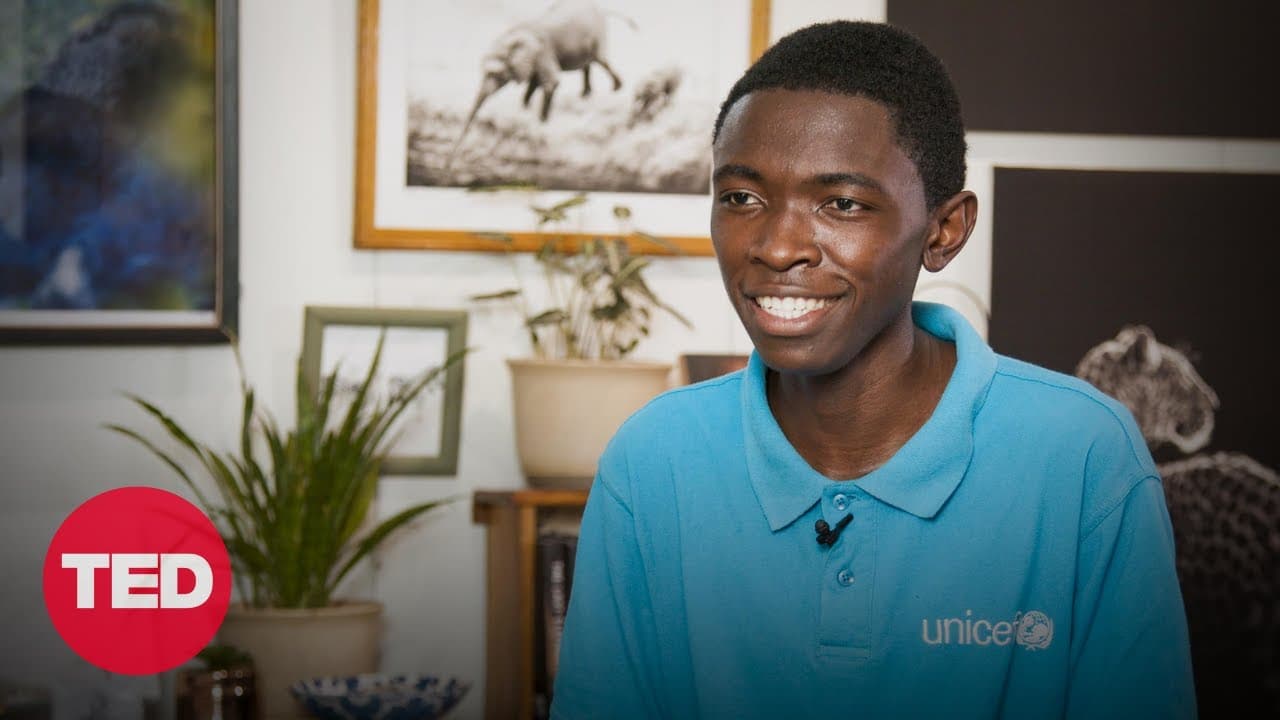
Climate change severely impacts children in developing countries, forcing them to endure long walks to school, extreme weather, and limited access to clean water. Youth climate activist Nkosilathi Nyathi emphasizes the need for their inclusion in decision-making and climate education, arguing that young people, who bear the brunt of these challenges, hold vital insights for shaping effective climate solutions.
Transcript
Transcriber: Imagine walking five kilometers to school every day, under the scorching sun, no trees, no shed in sight, writing final exams outside in the dry, sweltering heat, and still being expected to pass with flying colors. And then after school, or sometimes before, or sometimes both, trekking four hours to the nearest water source, standing... Read More
Key Insights
- 💔 Climate change disproportionately affects children in developing countries, causing them to face daily struggles such as walking long distances to school and enduring extreme weather conditions that disrupt their education and livelihoods.
- 🌍 Developed nations, who are primarily responsible for climate change, must acknowledge the injustice and involve young people in finding climate justice solutions.
- 🌿 Environmental impacts, such as unpredictable weather patterns, excessive rains, floods, and droughts, have devastating effects on agriculture, leading to crop failures and the displacement of communities.
- 🌀 Natural disasters like Cyclone Dineo and Cyclone Idai have resulted in the destruction of homes, disrupted schooling, and loss of lives, leaving children wondering why they are suffering the consequences of climate change.
- 🔍 By asking questions, young activists like Nkosilathi Nyathi are determined to understand the causes of climate change and find ways to prevent further damage, such as implementing sustainable initiatives like composting and biogas production.
- 📚 Climate change education should be prioritized and integrated into school curriculums at all levels, ensuring that young people are well-informed and equipped to contribute to solving the climate crisis.
- 💡 Including young people in decision-making processes is essential, as they have unique perspectives and experiences, and their voices need to be heard to create effective climate change solutions.
- 🌧️ The recent severe drought in Victoria Falls and water shortages across Africa highlight the urgent need for accountable and responsible solutions to prevent tragedies like food insecurity and water scarcity, particularly for children.
Install to Summarize YouTube Videos and Get Transcripts
Explore YouTube Video Summarizer or Get YouTube Transcript Extractor
Questions & Answers
Q: What are some of the daily challenges faced by schoolchildren in Zimbabwe?
Schoolchildren in Zimbabwe face challenges such as walking long distances to school, studying in extreme weather conditions, and traveling for hours to access clean water.
Q: Who is mostly responsible for causing climate change?
Climate change is mostly caused by adults in developed nations who contribute to high levels of greenhouse gas emissions through their industrial activities and consumption patterns.
Q: How has climate change affected agriculture in Zimbabwe?
Climate change has resulted in unpredictable and extreme weather patterns, leading to excessive rains and floods that wash away topsoil crucial for agriculture, as well as periods of extreme drought causing crop failures.
Q: Why is it important to include young people in the decision-making process for climate change solutions?
It is important to include young people in decision-making processes for climate change solutions because they are the ones most affected by the consequences of climate change. They offer unique perspectives, ideas, and a personal understanding of the challenges they face, making them valuable contributors to finding solutions.
Summary & Key Takeaways
-
Climate change is causing hardship for millions of children in developing countries, including long walks to school in extreme conditions and limited access to clean water.
-
Children are disproportionately affected by climate change, even though it is largely caused by adults in developed nations.
-
The narrator, Nkosilathi Nyathi, is a youth climate activist from Zimbabwe who is advocating for young people to be included in decision-making processes and for climate change education to be integrated into school curriculums.
Read in Other Languages (beta)
Share This Summary 📚
Summarize YouTube Videos and Get Video Transcripts with 1-Click
Try YouTube Summary with ChatGPT & Claude or YouTube Transcript Generator
Explore More Summaries from TED 📚




Summarize YouTube Videos and Get Video Transcripts with 1-Click
Try YouTube Summary with ChatGPT & Claude or YouTube Transcript Generator