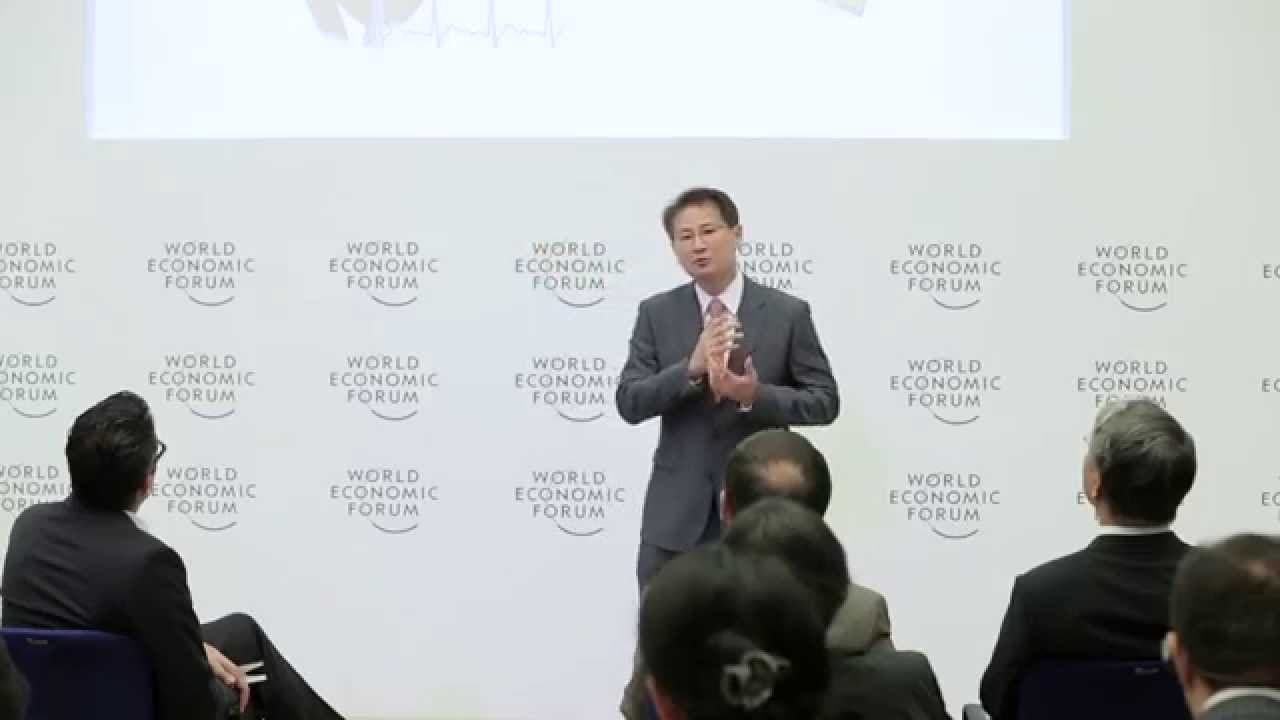
Ideas labs | Flexible High Tech for a Better Quality of Life | Lee Keon Jae
TL;DR
Innovations in flexible electronics, from power generation to medical applications, revolutionize technology for a human-friendly future.
Transcript
I believe that current electronics based on the big size and high performance and huge energy consuming electronics change its paradigm to plex able lightweight and sell power devices that can be used in a human friendly electronics here's our group's achievements that one plastic substrate generating power itself and computing and communicating wi... Read More
Key Insights
- ✊ Flexible electronics leverage lightweight, self-powering capabilities for a human-friendly future.
- ✊ Plastic substrates can generate power for various applications, from biomedical devices to environmental sensors.
- 🖐️ Innovations in flexible LED systems enable energy generation through biomechanical movements like finger taps and footsteps.
- 🥺 Flexible memory devices and computing chips on plastic substrates lead to fully flexible electronic systems.
- 💋 Integration of high-density memory, computation, and communication tools into flexible displays mark a significant advancement.
- 💆 Licensing flexible display technologies for mass production accelerates the adoption of flexible electronics in various industries.
- 👫 The merge of flexible opto-electronics, LED technology, and memory devices enhances the flexibility and functionality of electronic systems.
Install to Summarize YouTube Videos and Get Transcripts
Explore YouTube Video Summarizer or Get YouTube Transcript Extractor
Questions & Answers
Q: How are flexible electronics changing the paradigm of traditional electronics?
Flexible electronics offer lightweight, low-power devices that can generate power themselves, paving the way for implantable biomedical devices, sensor networks, and flexible LED systems.
Q: What are the potential applications of plastic substrates generating power?
Plastic substrates that generate power can be used in implantable pacemakers, environmental sensor networks, and energy sources for flexible electronics and machines.
Q: How do flexible energy-harvesting devices work?
By utilizing biomechanical movements, devices made from flexible materials like gallium arsenide LED can generate power from slight movements, such as finger taps or footsteps.
Q: What impact do flexible inorganic LED materials have on biomedical devices?
Materials like gallium nitride and gallium arsenide LED are crucial for the future of biomedical devices, enabling detection and treatment of diseases through flexible electronic systems.
Summary & Key Takeaways
-
Flexible electronics are evolving to be lightweight, low-power, and human-friendly.
-
Innovations include plastic substrates generating power, implantable biomedical devices, and flexible LED systems.
-
Advancements in flexible memory, computing chips, and communication tools are leading to fully flexible electronic systems.
Read in Other Languages (beta)
Share This Summary 📚
Summarize YouTube Videos and Get Video Transcripts with 1-Click
Try YouTube Summary with ChatGPT & Claude or YouTube Transcript Generator
Explore More Summaries from World Economic Forum 📚
Summarize YouTube Videos and Get Video Transcripts with 1-Click
Try YouTube Summary with ChatGPT & Claude or YouTube Transcript Generator