Steel Droplet Mascots - Periodic Table of Videos
TL;DR
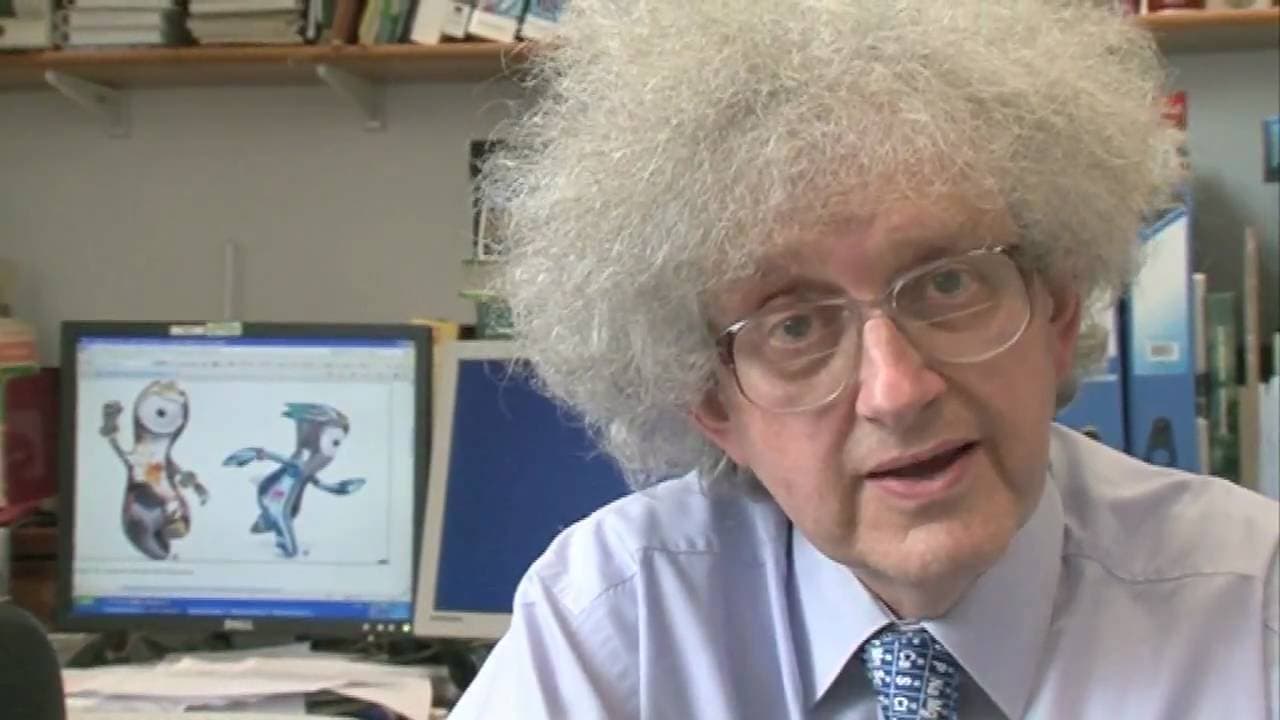
London Olympics introduces stainless steel mascots with a scientific twist, highlighting steel's properties and history.
Transcript
in 2012 two years from now London is holding the Olympic Games and each year that the Olympic Games take place the organisers choose a mascot something that will symbolize their games and for the last 30 years they have been little fluffy animals which are really of no interest at all to chemists and nobody can remember what they are either but thi... Read More
Key Insights
- 👾 London Olympics innovates with stainless steel mascots, adding a scientific element to the games.
- 🕴️ Steel, an alloy of iron, has various types with distinct properties suited for different applications.
- 🥺 Early iron tools had durability issues due to softness, leading to advancements in steel-making techniques.
- 🤘 Steel-making involves removing carbon and adding specific metals for desired properties.
- 😘 Bessemer's discovery of blowing oxygen through liquid iron revolutionized steel production.
- 👷 Stainless steel revolutionized cutlery and bridge construction by preventing rust and maintaining shine.
- 🛟 Different types of steel serve specific purposes, with stainless steel being ideal for items requiring durability and resistance to rust.
Install to Summarize YouTube Videos and Get Transcripts
Explore YouTube Video Summarizer or Get YouTube Transcript Extractor
Questions & Answers
Q: How are the London Olympic mascots different from previous ones?
The London Olympic mascots are unique as they are made of stainless steel, a departure from the traditional fluffy animal mascots seen in previous games. This change adds a scientific touch to the Olympic symbol.
Q: Why was iron problematic in the early days for making tools and swords?
Iron was problematic for making tools and swords in the early days because it was a soft material that broke easily. This weakness posed a vulnerability during battles, leading to advancements in iron treatment methods.
Q: What was the breakthrough in making steel, and who discovered it?
The breakthrough in making steel came in the early 19th century when English industrialist Bessemer discovered that blowing oxygen through liquid iron removes carbon, resulting in pure iron. This process allowed the addition of just the right amount of carbon to create good steel.
Q: How does stainless steel differ from other types of steel?
Stainless steel differs from other types of steel by containing additional metals like nickel and chromium. These metals prevent rusting, making stainless steel ideal for items like cutlery and bridges, providing durability and a shiny appearance.
Summary & Key Takeaways
-
London Olympics introduces steel mascots, a departure from traditional fluffy animals.
-
Steel is an alloy of iron with various types, crucial for tools' durability.
-
The process of making steel involves removing carbon and adding specific metals for different properties.
Read in Other Languages (beta)
Share This Summary 📚
Summarize YouTube Videos and Get Video Transcripts with 1-Click
Try YouTube Summary with ChatGPT & Claude or YouTube Transcript Generator
Explore More Summaries from Periodic Videos 📚

Summarize YouTube Videos and Get Video Transcripts with 1-Click
Try YouTube Summary with ChatGPT & Claude or YouTube Transcript Generator