Managing Societal and Workplace Conflicts: Interview with Mary Rowe
TL;DR
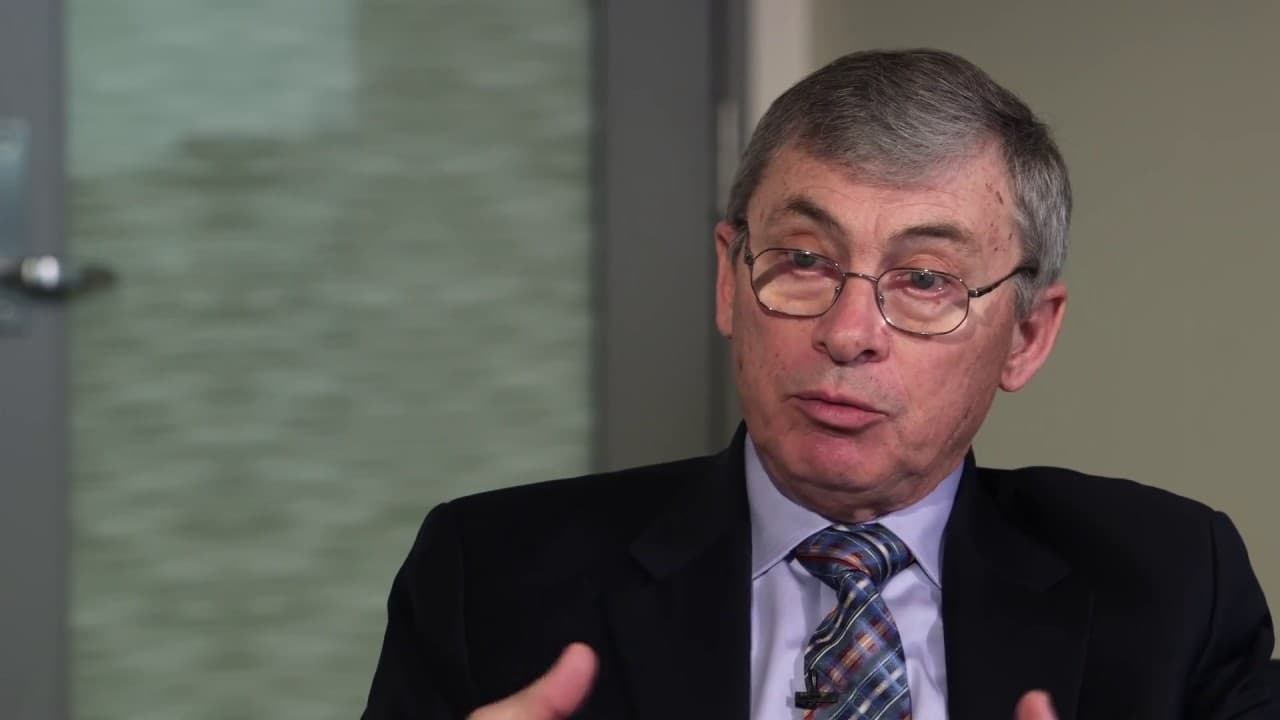
Workplace conflicts are often a reflection of larger societal problems, and this video discusses how these conflicts impact the workplace and provides insights on how to address them effectively.
Transcript
Issues that arise at work are often a reflection of problems occurring in the larger society and the tensions that we're seeing out there today. So today, unfortunately all around the world, we're seeing conflicts, sometimes verbal attacks, sometimes physical attacks. Maybe it's refugees from Syria or other war-torn countries trying to find a place... Read More
Key Insights
- 🪩 Workplace conflicts often mirror broader societal tensions, making it crucial to address them both individually and within organizations.
- 🖐️ Ombudspersons play a vital role in resolving conflicts by providing mediation and promoting confidentiality.
- 😵 Effective conflict management requires a range of tools, including cross-cultural experience, integrity, and a system that encourages conflict resolution at different levels.
- 💯 Micro-affirmations can counter unconscious bias and create positive environments by affirming good behavior and addressing individuals' core emotional concerns.
- 🤩 Bystander intervention is key in addressing workplace conflicts, and individuals can consider various options to safely and effectively intervene.
Install to Summarize YouTube Videos and Get Transcripts
Explore YouTube Video Summarizer or Get YouTube Transcript Extractor
Questions & Answers
Q: What is an ombudsperson, and what is their role in an organization?
An ombudsperson is a neutral mediator who helps individuals and groups resolve conflicts. They are independent of any management power and prioritize confidentiality in their work.
Q: What are some essential tools for an ombudsperson to effectively address conflicts?
Besides cross-cultural experience and integrity, a sense of humor and intelligence are crucial. Ombudspersons also need to encourage conflict resolution at the lowest level and provide various options for individuals to address conflicts effectively.
Q: How can micro-inequities be addressed in a positive way?
Micro-inequities, which include unconscious bias, small acts of discrimination, and innocent ignorance, can be addressed through micro-affirmations. By affirming good behavior and focusing on the core emotional concerns of individuals, micro-affirmations can change behavior and create a supportive environment.
Q: How can bystander intervention be effective in addressing workplace conflicts?
Bystanders can disrupt unacceptable behavior in different ways. They can discuss concerns with trusted colleagues or superiors, seek generic approaches like training programs, or report to appropriate offices. Bystanders have various options to intervene, ensuring a safe and respectful workplace.
Summary & Key Takeaways
-
Workplace conflicts are influenced by tensions in society, such as verbal and physical attacks on religious, racial, and immigrant groups.
-
Mary Rowe, an experienced ombudsperson, explains the role of an ombudsperson as a neutral mediator who helps individuals and groups navigate conflicts.
-
Effective conflict management requires a range of tools, including a sense of humor, integrity, cross-cultural experience, and a system that promotes conflict resolution at various levels.
Read in Other Languages (beta)
Share This Summary 📚
Summarize YouTube Videos and Get Video Transcripts with 1-Click
Try YouTube Summary with ChatGPT & Claude or YouTube Transcript Generator
Explore More Summaries from MIT OpenCourseWare 📚



Summarize YouTube Videos and Get Video Transcripts with 1-Click
Try YouTube Summary with ChatGPT & Claude or YouTube Transcript Generator