How Will We Build Habitats on Mars?
TL;DR
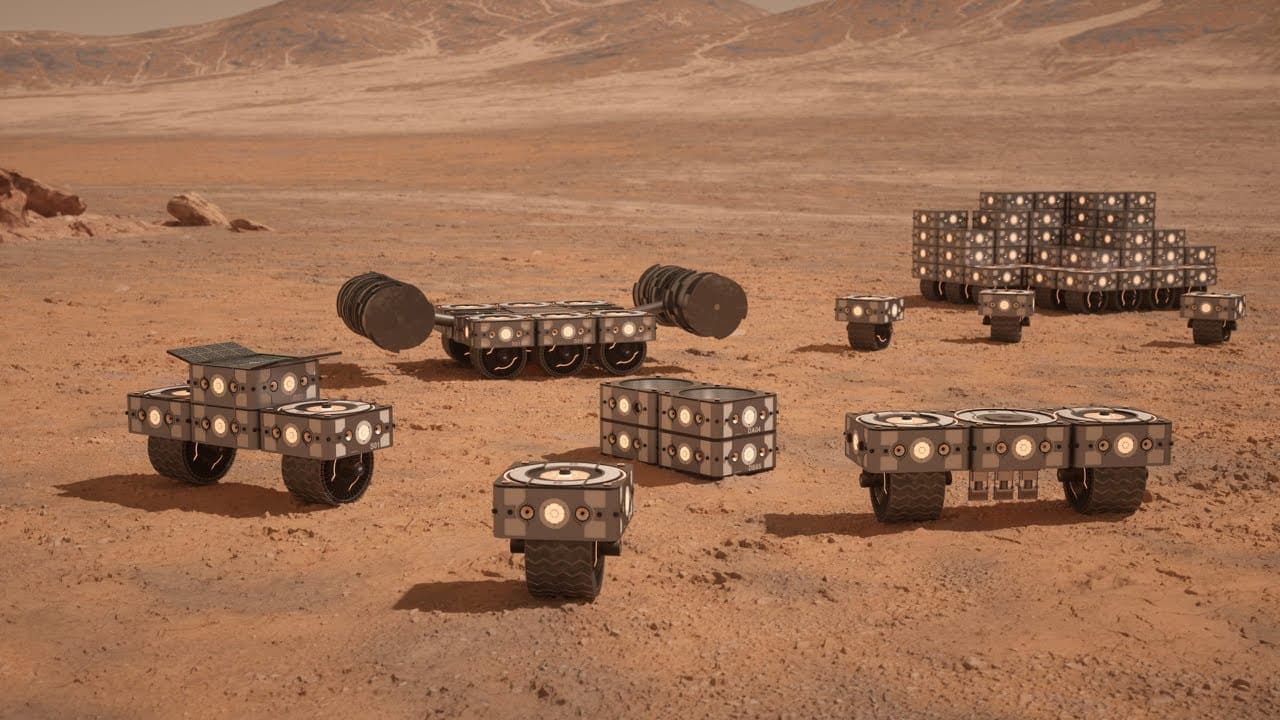
Building habitats on Mars involves using 3D printing technology to utilise Martian soil, creating structures that prioritize human comfort and sustainability. This innovative approach aims for astronaut thriving rather than mere survival, addressing challenges such as radiation protection while repurposing waste for a circular economy.
Transcript
space-travel ignites imagination but the idea of actually living on other planets has always felt pretty far-fetched until now faced with unprecedented challenges here on earth NASA are exploring ways to actually build on Mars but how would we get this planet let alone built there this incredible proposal holds many of the answers along with some l... Read More
Key Insights
- 👨🚀 Mars is considered as the next achievable goal in space exploration for a manned mission.
- 🏛️ Autonomously building structures using 3D printing technology from Martian soil is a feasible proposal.
- 🇲🇭 Protection from radiation is a significant challenge on Mars, demanding the creation of cave-like structures.
- 👨🚀 Inflatable and collapsible habitat pods would provide living and working spaces for astronauts on Mars.
- 🍉 Repurposing waste material and applying sustainable practices are critical for long-term survival on Mars.
- 🎨 Designing habitations on Mars requires the involvement of both architects and engineers.
- 🫒 The proposed concept makes living on Mars seem more feasible, despite the numerous challenges that need to be overcome.
- 📽️ This project highlights the need for architects in complex engineering projects and the importance of their skills.
Install to Summarize YouTube Videos and Get Transcripts
Explore YouTube Video Summarizer or Get YouTube Transcript Extractor
Questions & Answers
Q: How is NASA planning to transport equipment to Mars, considering the expense?
NASA's preferred strategy is to 3D print structures using Martian soil as a building material. This approach avoids the high costs of transporting equipment from Earth.
Q: How will astronauts protect themselves from radiation on Mars?
Mars has no magnetic protection from radiation, so the proposed solution is to create cave-like structures using locally available materials to shield astronauts from radiation exposure.
Q: What happens if some of the robots sent to Mars fail during the construction process?
To mitigate this risk, multiple small robots will be sent to Mars to work together in building the structures. Even if some robots fail, the construction will still continue, albeit at a slower pace.
Q: What are the next steps after the shell structure is built?
Once the shell structure is complete, astronauts will bring habitat pods, which are inflatable structures providing the necessary atmosphere and pressurized environments for human settlement.
Summary & Key Takeaways
-
NASA and other organizations are making progress towards reaching Mars and building environments essential for a manned mission.
-
Designs for Martian habitats must include 3D printing technology using Martian soil as a building material.
-
The proposed human-centric habitation concept aims to create a thriving settlement rather than mere survival on Mars.
Read in Other Languages (beta)
Share This Summary 📚
Summarize YouTube Videos and Get Video Transcripts with 1-Click
Try YouTube Summary with ChatGPT & Claude or YouTube Transcript Generator
Explore More Summaries from The B1M 📚

Summarize YouTube Videos and Get Video Transcripts with 1-Click
Try YouTube Summary with ChatGPT & Claude or YouTube Transcript Generator