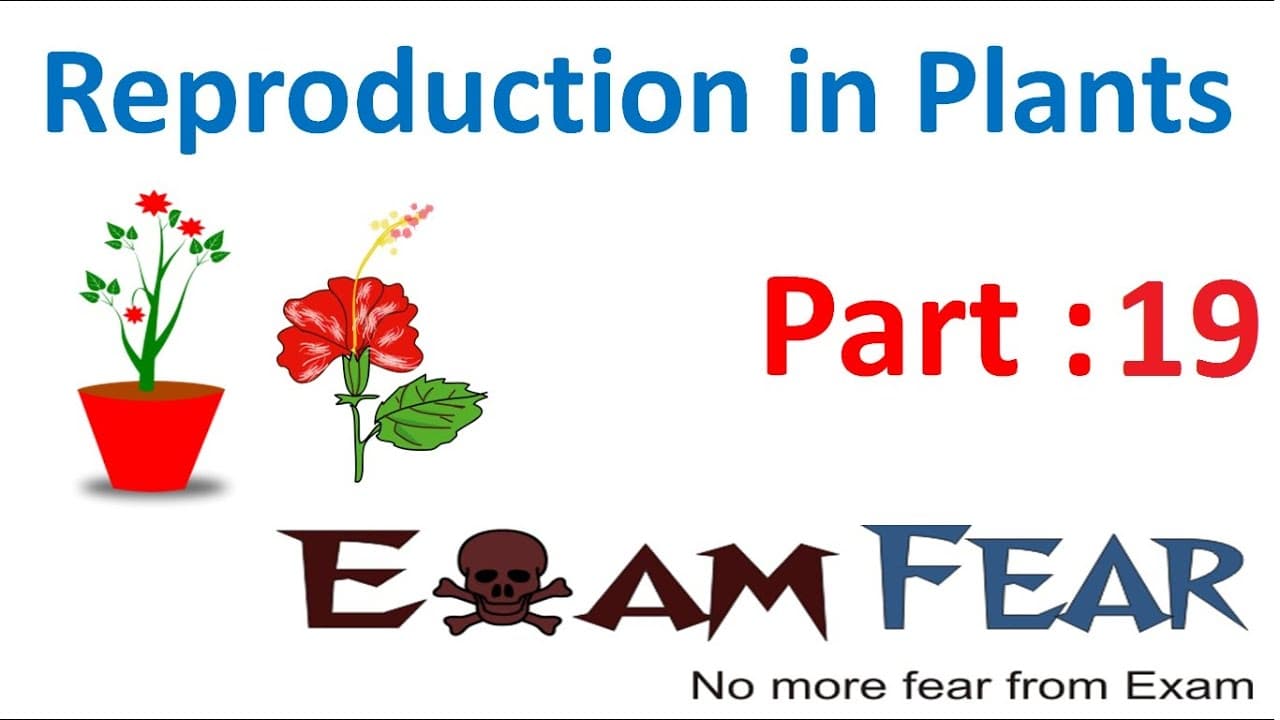
Biology Reproduction in Plants Part 19 (Question 1) Class 7 VII
TL;DR
This video discusses the process of vegetative propagation in plants, the difference between unisexual and bisexual flowers, and the concept of pollination and fertilization.
Transcript
hello friends this video on reproduction in plants part 19 is brought to you by example.com no more fear from exam so with this we have reached towards the end of this lesson so let us quickly have a look at some of the questions question number one fill in the blanks production of new individuals from vegetative part of parent is called so what is... Read More
Key Insights
- 🌱 Vegetative propagation is the process of producing new plants from vegetative parts of the parent plant.
- 🕵️♀️ Flowers can be either unisexual (with either male or female reproductive parts) or bisexual (with both).
- ❓ Pollination is the transfer of pollen grains from the anther to the stigma, and it can occur through various agents.
- 🕵️♀️ Fertilization is the fusion of male and female gametes, which leads to seed formation and eventually new plant growth.
- 💦 Seed dispersion can occur through wind, water, and animals.
- 🕵️♀️ Sexual reproduction involves the fusion of male and female gametes.
- 👪 Asexual reproduction involves only one parent and produces offspring that are identical to the parent.
Install to Summarize YouTube Videos and Get Transcripts
Explore YouTube Video Summarizer or Get YouTube Transcript Extractor
Questions & Answers
Q: What is vegetative propagation?
Vegetative propagation is the process by which new plants are formed from vegetative parts of the parent plant, such as roots, stems, and leaves. It can occur naturally or artificially through methods like cutting, layering, and grafting.
Q: What is the difference between unisexual and bisexual flowers?
Unisexual flowers have either male or female reproductive parts, while bisexual flowers have both male and female reproductive parts. Unisexual flowers may be either staminate (male) or pistillate (female), and cross pollination can occur between different unisexual flowers.
Q: What is pollination and how does it happen?
Pollination is the transfer of pollen grains from the anther to the stigma. It can occur through various agents like wind, water, insects, and birds. Pollination is crucial for fertilization, as it brings together the male and female gametes for the formation of seeds.
Q: What is the difference between self pollination and cross pollination?
Self pollination occurs when the pollen from the anther is transferred to the stigma of the same flower. Cross pollination, on the other hand, involves the transfer of pollen from the anther of one plant to the stigma of another plant. Cross pollination can occur in both bisexual and unisexual flowers.
Summary & Key Takeaways
-
Vegetative propagation is the production of new plants from vegetative parts of the parent plant, such as roots, stems, and leaves.
-
Flowers can either be unisexual (having either male or female reproductive parts) or bisexual (having both male and female reproductive parts).
-
Pollination is the transfer of pollen grains from the anther to the stigma, and can occur through various agents like wind, water, insects, and birds.
Read in Other Languages (beta)
Share This Summary 📚
Summarize YouTube Videos and Get Video Transcripts with 1-Click
Try YouTube Summary with ChatGPT & Claude or YouTube Transcript Generator
Explore More Summaries from LearnoHub - Class 11, 12 📚




Summarize YouTube Videos and Get Video Transcripts with 1-Click
Try YouTube Summary with ChatGPT & Claude or YouTube Transcript Generator