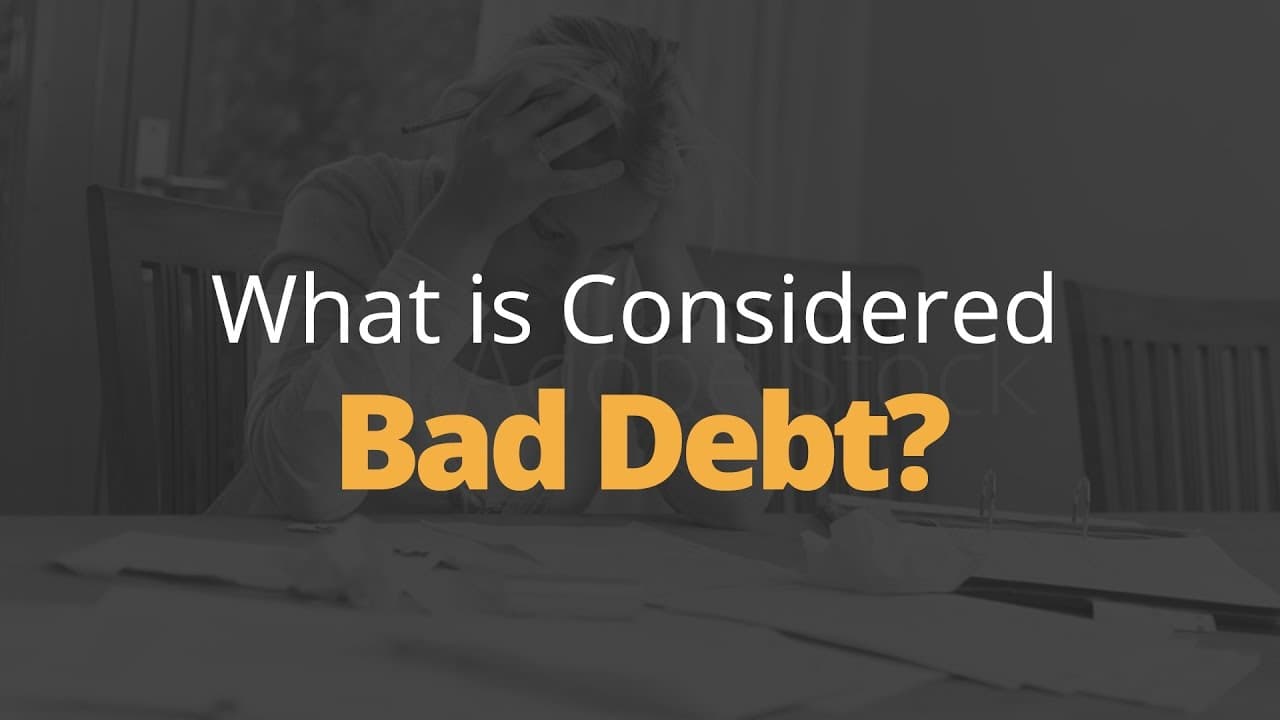
What is Considered Bad Debt? | Phil Town
TL;DR
Good debt is debt that comes from purchasing an asset that generates cash flow or has long-term investment potential, while bad debt is incurred by spending on consumable items that do not produce any financial return.
Transcript
hey guys I fill town from real one investing it today what I want to talk about with you is bad debt there's a lot of misinformation out there about what is the difference between good debt and bad debt let me just make it really simple good debt is debt that comes from purchasing an asset that produces either cash flow that would you're making mon... Read More
Key Insights
- 👋 Good debt results from investing in assets that generate cash flow or have long-term investment potential.
- 🤑 Bad debt is incurred when borrowing money for non-essential items or experiences.
- ✋ Paying off bad debt should be prioritized before investing to avoid high-interest payments.
- ❓ Analyzing every aspect of your financial situation is crucial for becoming a successful investor.
- 🥅 Responsible allocation of capital is important for achieving financial goals.
- 🔬 Consider whether investing the borrowed money can yield higher returns than the interest on the debt before deciding whether to pay off debt or invest.
- ✋ High-interest bad debt hampers wealth accumulation and should be addressed promptly.
Install to Summarize YouTube Videos and Get Transcripts
Explore YouTube Video Summarizer or Get YouTube Transcript Extractor
Questions & Answers
Q: What is the difference between good debt and bad debt?
Good debt refers to debt incurred to purchase income-generating assets or investments, while bad debt is when money is borrowed for non-essential items or experiences that do not bring any financial return.
Q: Should I prioritize paying off bad debt before investing?
Yes, it is advisable to pay off high-interest bad debt before investing because the interest payments on bad debt can significantly reduce your overall wealth accumulation.
Q: Can good debt be beneficial if the interest rate is low?
If the interest rate on good debt is significantly lower than the potential investment returns, it may be more beneficial to invest the borrowed money rather than paying off the debt immediately, as long as you are a skilled investor.
Q: What should be the strategy for managing bad debt?
It is crucial to tackle bad debt with high-interest rates first. Consider creating a budget, prioritizing debt payments, and finding ways to reduce expenses to accelerate debt repayment.
Summary & Key Takeaways
-
Good debt is when borrowed funds are used to invest in assets that generate cash flow or have long-term investment potential.
-
Bad debt is incurred when money is borrowed for non-essential purchases that do not generate any return on investment.
-
It is important to prioritize paying off high-interest bad debt before focusing on investing.
Read in Other Languages (beta)
Share This Summary 📚
Summarize YouTube Videos and Get Video Transcripts with 1-Click
Try YouTube Summary with ChatGPT & Claude or YouTube Transcript Generator
Explore More Summaries from Rule #1 Investing 📚



Summarize YouTube Videos and Get Video Transcripts with 1-Click
Try YouTube Summary with ChatGPT & Claude or YouTube Transcript Generator